








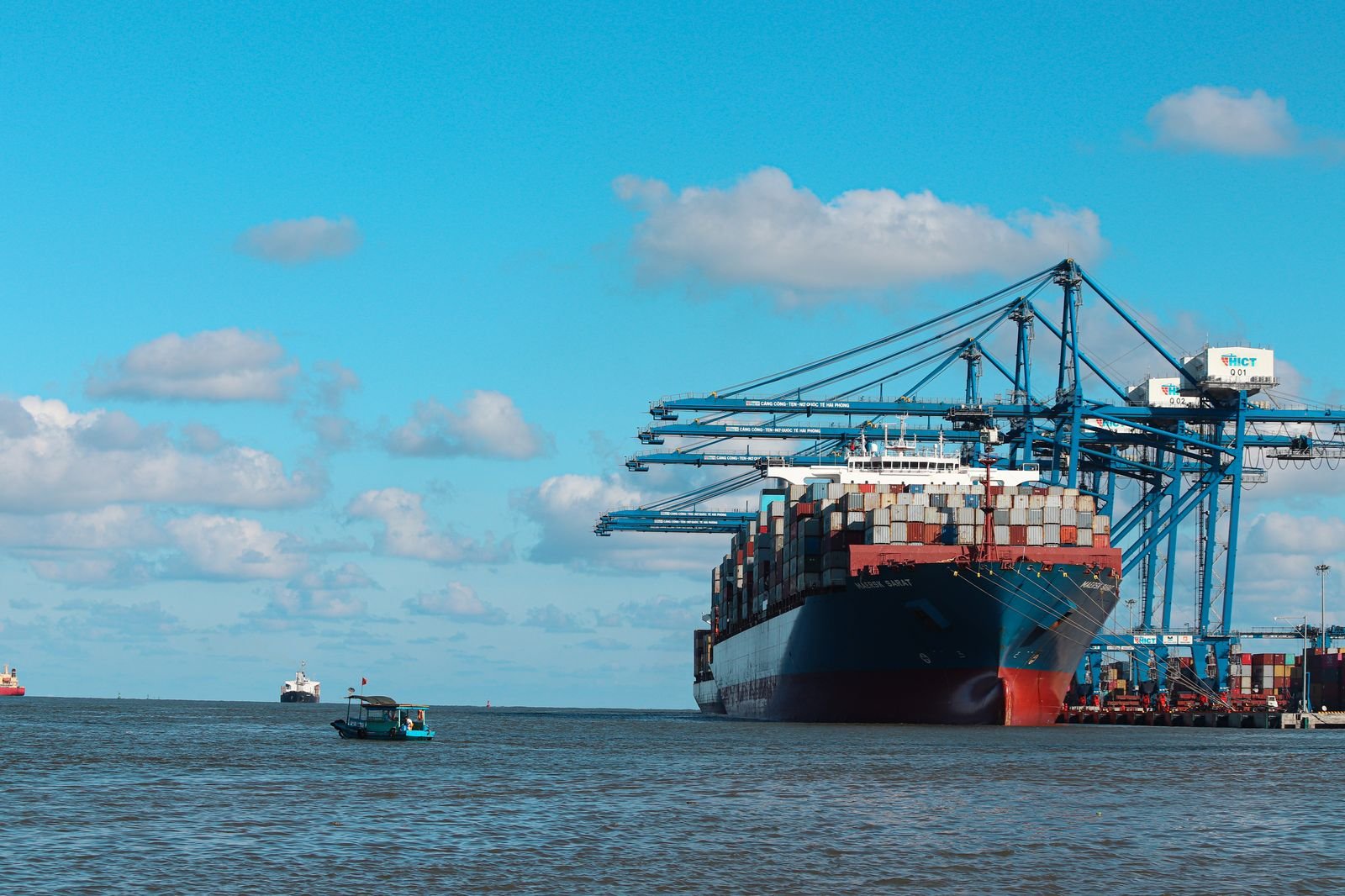
The Trump administration fired a new tariff salvo on Wednesday, proposing broad import taxes on 14 major trading partners — including China, Japan and the European Union — in response to what it calls subsidized overproduction of factory goods that has disadvantaged American firms.
The duties, unveiled by the Office of the U.S. Trade Representative after an eight-month investigation, would be imposed under Section 301 of the Trade Act of 1974, a court-tested trade law that lets the president punish countries found to engage in unreasonable or discriminatory trade practices. The move is designed to rebuild President Donald Trump’s tariff wall on firmer legal ground after the Supreme Court ruled in February that he could not declare an economic emergency to bypass Congress and impose across-the-board tariffs.
The proposed headline rates run from 20% to 40%, but the administration said duties would be capped at lower levels already agreed under trade deals that have been completed or are still under negotiation. The new taxes would not stack on top of separate tariffs on automobiles, steel, aluminum and other products imposed under Section 232 of the Trade Expansion Act, and the administration proposed exemptions for semiconductors and other high-tech goods from Taiwan and South Korea that are crucial to the artificial intelligence buildout.
China and Brazil face the biggest hits
China would face the highest capped rate, 20%, which would be added to duties of roughly 25% imposed during Trump’s first term — a total of up to 45% on some goods. That rate would comply with a U.S.-China trade truce that expires on January 10, 2027, but if the truce unravels, China’s rate would rise to 40%, the trade representative’s office said. U.S. Trade Representative Jamieson Greer told CNBC the administration is proposing a “broad exemption” for $30 billion worth of Chinese goods in line with the truce.
| Trading partner | Proposed capped rate |
|---|---|
| China | 20% (40% if the trade truce unravels) |
| Vietnam | 20% if a deal is reached, 35% if talks fail |
| Cambodia, Indonesia, Malaysia, Thailand, Bangladesh | 18% |
| India | 17% if a deal is finalized, 25% if talks fail |
| Japan, South Korea, Taiwan, EU, Switzerland | 15% (including existing duties) |
| Singapore | 10% |
Brazil was singled out for extra punishment after trade talks stalled. The U.S. is proposing a new 10% tariff on finished Embraer commercial aircraft and higher duties on imports of Brazilian sugar above quotas — products previously exempted from Trump’s 25% tariffs on Brazilian goods imposed in July. Greer said he decided to propose the increases after months of talks with Brazil made “no meaningful progress.”
Brazil’s government expressed indignation and threatened retaliatory measures. “The USTR’s unilateral decision constitutes an unacceptable action within the framework of the ongoing bilateral negotiating process,” it said in a statement. “Brazil will not yield to this type of threat.”
Why now, and what happens next
Greer said the tariffs were intended to counteract “industrial strategies built on targeting manufacturing, wage and labor suppression, financial and other support, non-market economy inputs, and other market-distorting practices” that undermine the U.S. manufacturing base. Washington has long accused China of subsidizing industry and flooding global markets with low-cost exports ranging from steel to electric vehicles and solar products. China called the overcapacity claim a “false issue” and said it opposes using it “as an excuse for political manipulation.”
The administration will seek feedback from affected industries and hold a public hearing on January 25, suggesting the duties will not take effect until February or March. Goldman Sachs calculates that the proposal would return most tariffs on the affected countries to where they were before the Supreme Court ruling, and estimates that if implemented, the import taxes would lift the overall U.S. tariff rate from 7.8% to 9.2% while having “a very small incremental impact” on inflation.
The announcement came despite the losses Trump’s Republican Party suffered in this month’s midterm elections. A Reuters/Ipsos opinion poll conducted after the midterms found 62% of respondents supported efforts to repeal the tariffs — a sign that the trade fight, far from settling, is now a central question for the next Congress.
Sources: Associated Press, November 25, 2026; Reuters, November 25, 2026; CNBC, November 25, 2026.