

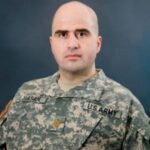





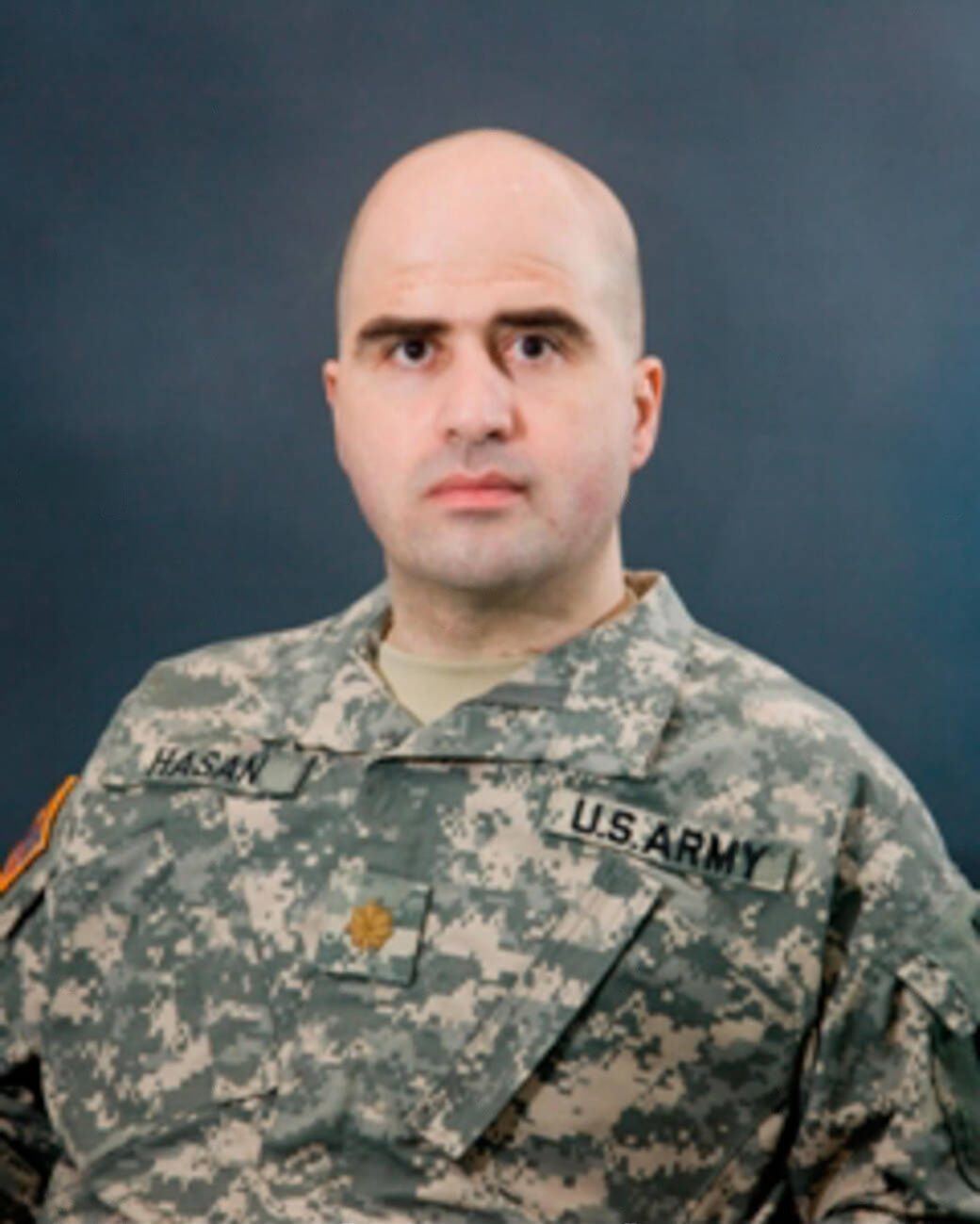
Nidal Hasan, the former Army psychiatrist who killed 13 people in the 2009 shooting at Fort Hood, Texas, asked a federal court on Tuesday to delay his execution by firing squad so he can prepare a petition challenging his death sentence.
The filing, signed by Hasan himself, says he “intends to demonstrate that the military court’s judgment and his resulting sentence of death were obtained and are maintained in violation of his federal constitutional and statutory rights.” The case has been assigned to Judge Tony Mattivi in U.S. District Court in Kansas, where Hasan is held at the military prison at Fort Leavenworth. A hearing has been set for Wednesday morning.
The court action could add major delays to the Trump administration’s plans for the execution, which is scheduled for December 3. It would be the U.S. military’s first execution since 1961, and the first by firing squad since World War II.
Survivors barred from witnessing
The filing came on the same day military officials told three survivors of the shooting they will not be allowed to witness the execution. The Army first denied their requests on November 10, saying none of them was a direct victim of the murder and attempted murder charges against Hasan, under regulations governing military executions. On Tuesday, officials rejected their request for reconsideration, citing security and space issues. A letter signed by the commandant of Fort Leavenworth said the three cannot appeal again.
The three survivors are retired Col. Kathy Platoni, who would have been Hasan’s supervisor during a planned deployment to Afghanistan; retired Maj. C. Alan Hopewell; and Julia Wilson, who was nine months pregnant when Hasan opened fire.
They had argued that the Army should apply a broader definition of “victim” from the Uniform Code of Military Justice, which covers someone who suffered “direct physical, emotional or pecuniary harm.” They said the military’s refusal was effectively telling them they had not been victims because they were not struck by bullets.
Platoni called the denial a betrayal. The Army said in a statement that regulations specify who can witness a military execution, and pointed again to size and space restrictions. The military told victims and survivors that about 160 witnesses would be allowed to attend, and about 90 people had decided to go. Former Army Sgt. Alonzo Lunsford, who was wounded in the attack, said he will attend but opposed the earlier plan to livestream the execution.
A case full of firsts
Hasan was found guilty of multiple counts of murder and attempted murder for the attack on November 5, 2009, in which 13 people were killed and more than 30 were wounded by gunfire.
| Milestone | Date |
|---|---|
| Fort Hood shooting | November 5, 2009 — 13 killed, more than 30 wounded |
| Hasan convicted and sentenced to death | 2013 |
| Trump administration orders execution | October 2026 |
| Livestream plan announced, then scrapped | October 2026 |
| Survivors’ witness requests denied | November 10, 2026 |
| Hasan files to delay execution | November 24, 2026 |
| Execution scheduled | December 3, 2026 |
Following an order from President Donald Trump, Army and Pentagon officials announced in October that the execution would go ahead. Defense Secretary Pete Hegseth then declared that it would be livestreamed, sparking outcry before Trump pulled the plug on that plan after bipartisan backlash.
Hasan intends to keep representing himself as he fights the execution, though he is being assisted by lawyers from the American Civil Liberties Union Capital Punishment Project. The military has said it will release no details about the firing squad or its protocols, including how many service members will take part.
What to watch next
Wednesday morning’s hearing in Kansas will be the first test of whether the December 3 date holds. If the judge grants a stay, the first military execution in 65 years could slip — and the fight over who gets to watch it is unlikely to end with the Army’s letter.
Sources: Associated Press, November 24–25, 2026; Washington Examiner, November 25, 2026; CBS News, November 24, 2026.