








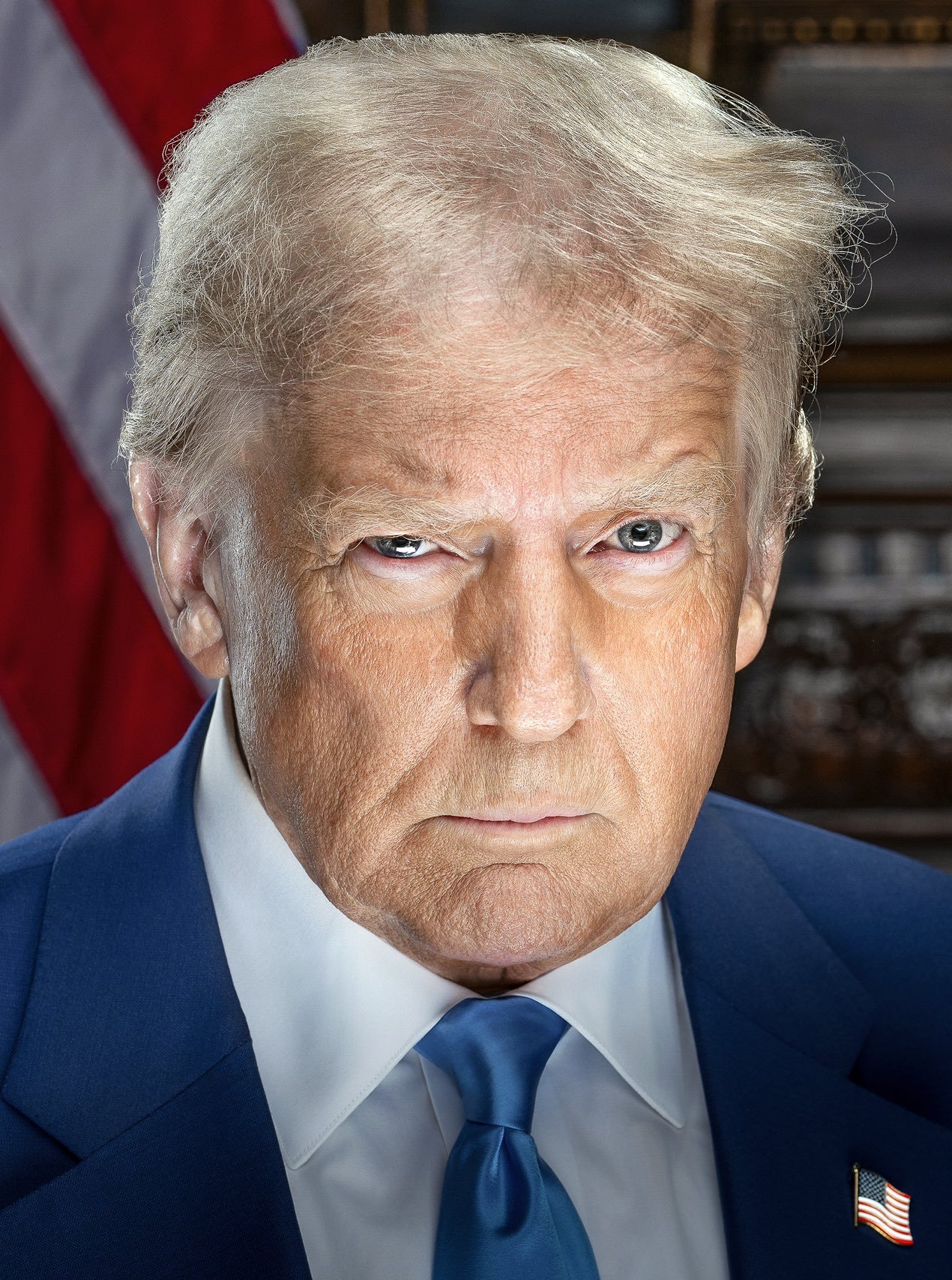
President Donald Trump signed a proclamation on Thursday designating the Oval Office as a national monument, using a 1906 preservation law to shield the room — and his redesign of it — from future presidents.
The proclamation, signed November 5, covers the Oval Office itself (Room 110), the Outer Oval Office (Rooms 106 and 108) and the Cabinet Room (Room 105), creating the “Oval Office National Monument” under the Antiquities Act. It was Trump’s first official act since voters handed control of both chambers of Congress to Democrats on Tuesday.
“We’re making it a national monument, and it will not be allowed to be touched by anybody, destroyed, ripped down by stupid people,” Trump told reporters in the Oval Office, according to the Associated Press. He said the proclamation would be sent to Congress to be ratified, and that there would be “no major modification without the approval of Congress.”
What the proclamation actually does
The White House fact sheet says the designation is meant to ensure the preservation, proper care and management of the office, which the administration calls the working heart of the presidency. The Secretary of the Interior, working through the National Park Service, must develop a management plan with the White House Office of Administration that protects the rooms’ historic character and architectural integrity — and document, review and consider alternatives before any substantial alteration or demolition.
But the proclamation does not freeze the rooms as they are. Its own text states that nothing in it restricts a president’s power to redecorate, choose furniture, or make ordinary operational and security changes, as long as they do not substantially damage the building’s historic structure. It also does not change existing exemptions for the White House under federal historic preservation law, or reduce Congress’s authority over federal property.
The Oval Office already held National Historic Landmark status. The new designation adds a layer of process — and politics — around changing it. The room in its current location and form dates to the administration of President Franklin D. Roosevelt.
The ballroom behind the move
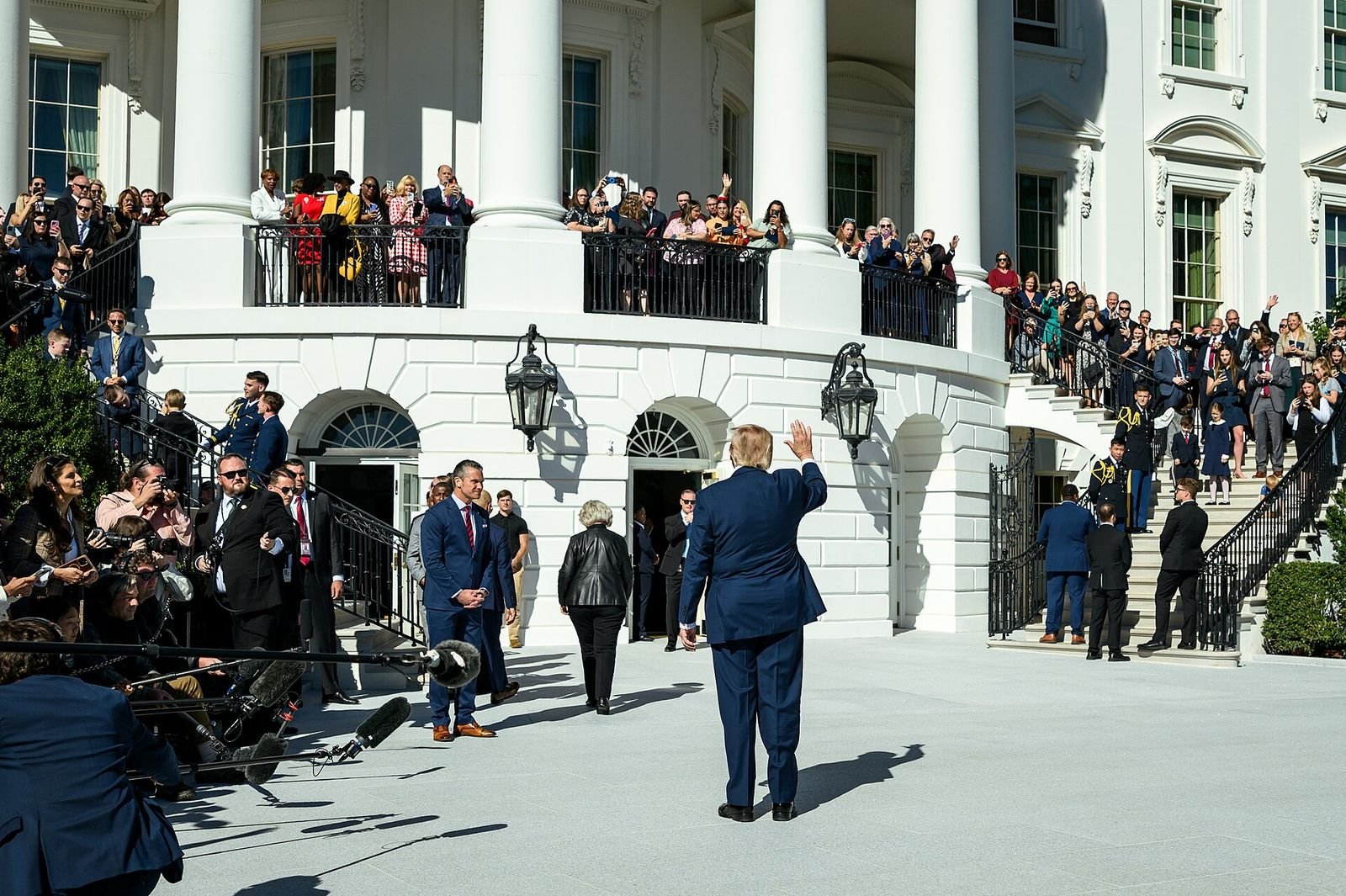
The timing is hard to miss. Trump has spent the week focused on his building projects in Washington: on Wednesday he signed the final beam of the new White House ballroom, a project that required the demolition of the East Wing in October 2025. Thursday was the third day that week he spoke publicly about his construction work at the White House, the AP reported.
The East Wing was not a national monument. The Oval Office now is — at least in the sense the proclamation creates. Trump has filled the office’s walls with portraits and a copy of the Declaration of Independence, and added many golden accents, the AP noted.
Critics are likely to question using a 1906 law written with canyons and ruins in mind on the inside of a president’s own office; supporters will say the office is exactly the kind of historic space the law was written to protect.
A president governing around a new Congress
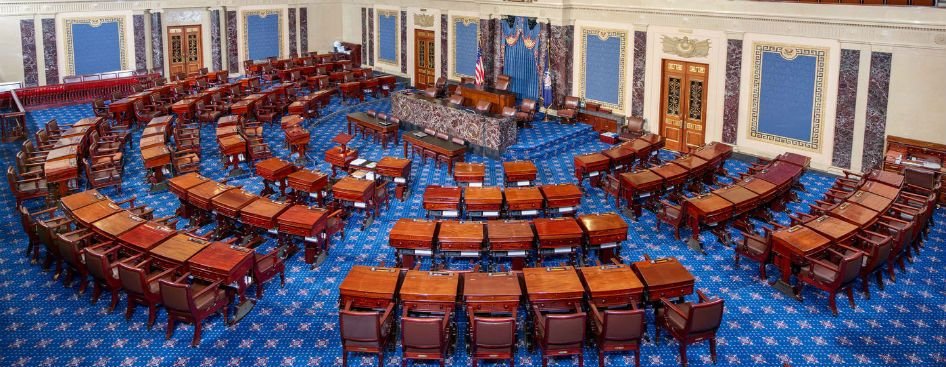
The monument signing came as Washington adjusts to a transformed political map. Democrats flipped 39 House seats and seven Senate seats on Tuesday, and their House majority surged past 250 seats on Thursday, the largest in nearly two decades, according to The New York Times. Votes were still being counted Friday morning in the Alaska and Mississippi Senate races and dozens of House races.
Pentagon chief Pete Hegseth, who faces a likely impeachment vote when the House returns next week, appeared defiant on Thursday, USA Today reported — and he is not a candidate to be appointed to the Senate from Tennessee, according to a source close to the state’s new governor.
What to watch next
Watch whether Congress takes up ratification, whether Democrats challenge the use of the Antiquities Act, and whether a future president simply redecorates around the designation.
Sources: The White House, “Establishment of the Oval Office National Monument” proclamation (Nov 5, 2026) and fact sheet; Associated Press via USA Today and People (Nov 5-6, 2026); The New York Times via KFF Health News morning briefing (Nov 6, 2026); USA Today live updates (Nov 6, 2026).