









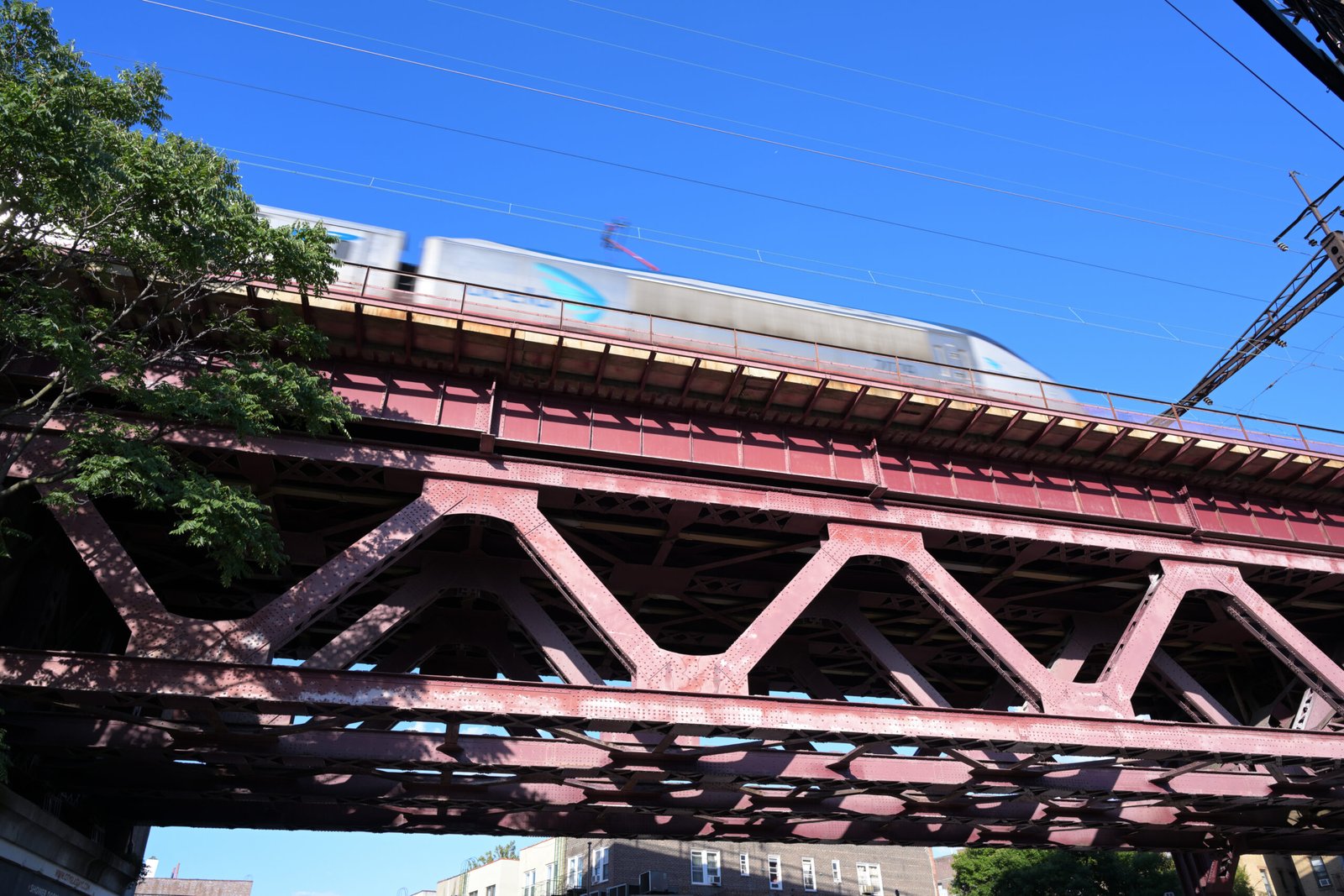
Starting in January 2027, Amtrak will let passengers bring declared, unloaded firearms in locked cases onto trains that do not offer checked baggage service — including the Northeast Regional and Acela. The change, confirmed by Amtrak in a statement to WABC-TV, has drawn a furious response from the rail workers’ union.
Under the new policy, passengers 18 and older will be able to bring declared, unloaded firearms and ammunition in carry-on bags on trains without checked baggage. The guns must travel in a secure, double-locked, TSA-compliant, hard-sided case that cannot be accessed while riding the train. Advance notice is required before travel, and the trip must begin and end at staffed stations where agents are present. Local and state gun laws would still apply.
How the lockbox system works
The procedure puts Amtrak staff in control of the case at both ends of the trip. A gun owner brings the weapon in its case to an Amtrak station agent, who attaches an Amtrak-owned combination lock before the trip. The passenger takes the locked case onboard, and another station agent removes the lock on arrival.
Amtrak said the change is being phased in rather than landing all at once. It started with the Auto Train on September 1, so the railroad could closely monitor the initial rollout, with other routes to follow in 2027. On the Auto Train, firearms stay locked inside the customer’s vehicle rather than in coach or sleeper accommodations.
The railroad tied the policy to Executive Order 14206, a February 2025 order directing the attorney general to review federal agencies for restrictions on Second Amendment rights.
The union calls it “sheer lunacy”
The Transport Workers Union, which represents 360 onboard service workers at Amtrak, calls the plan “sheer lunacy” and is urging federal officials to reverse it. TWU International Rail Division Director John Feltz warned the change would be a dangerous break from the way weapons are handled in other forms of travel.
TWU International Staff Representative Brian DeLucia said the change would cover an additional 1,500 trains a day nationwide — including service on Amtrak’s Northeast Corridor, where about 750,000 people ride each day on routes linking Washington, New York and Boston.
Currently, Amtrak allows firearms on only a limited number of long-distance trains, where they are stored in secure baggage cars rather than brought to passenger seating areas.
| Amtrak gun rules | Today | From January 2027 |
|---|---|---|
| Where firearms travel | Secure baggage cars, a few dozen long-distance trains | Locked cases in passenger cars on trains without checked baggage |
| Trains affected | Limited long-distance services | Adds about 1,500 trains a day, incl. Acela and Northeast Regional |
| Who can carry | Passengers on trains with checked baggage | Passengers 18 and older, between staffed stations |
| The case | Checked baggage procedure | Declared, unloaded, double-locked TSA-compliant hard case |
| Access during the trip | Not accessible | Cannot be accessed while riding |
What is still unclear
Amtrak has not yet published the full rules for the new policy. Its published baggage pages, checked on November 7, still list firearms as not allowed in carry-on bags and accept them only in checked baggage on trains and at stations offering that service. Dates and route details for the broader rollout remain open questions, with reports differing on timing — the union says January 2027, while Amtrak describes a phased rollout with other routes to follow during 2027. USA Today reported it had not heard back from Amtrak or the union as of Friday.
What to watch next
Watch for Amtrak to publish the detailed rules — which stations qualify, how far in advance notice must be given, and which routes go first. Watch, too, whether federal officials respond to the union’s call to reverse the policy, and whether states along the Northeast Corridor raise their own objections.
Sources: WABC-TV / ABC7 New York (Nov 5, 2026); USA Today via Yahoo News (Nov 7, 2026); Scripps News (Nov 6, 2026); Transport Workers Union statement (Nov 5, 2026).