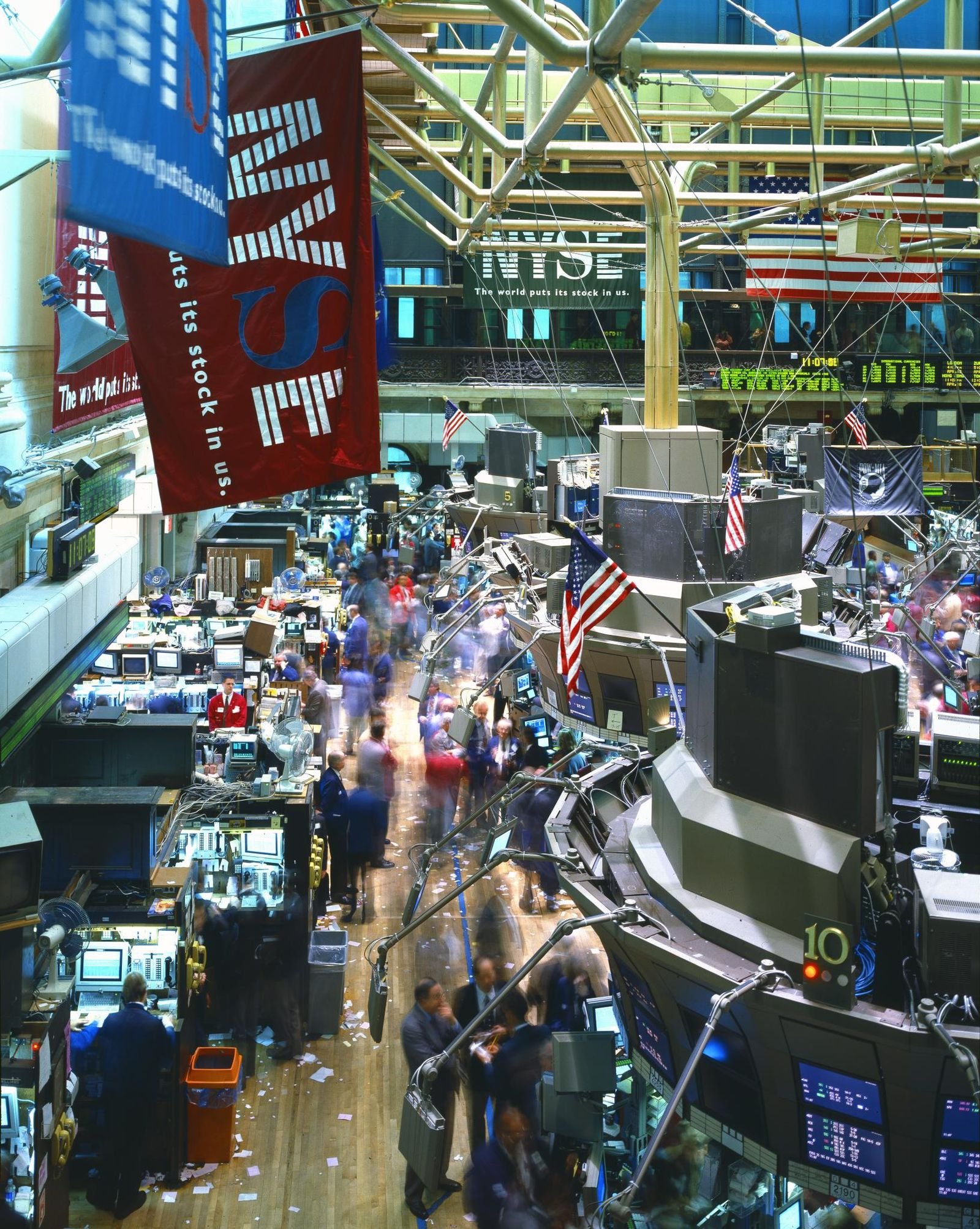
Wall Street closed out one of its worst weeks in years on Friday, as a punishing sell-off in artificial intelligence stocks pushed the Dow and the S&P 500 into correction territory and wiped out the Nasdaq’s gains for the entire year. The rout capped a seven-day slide that has erased trillions of dollars in market value — and left investors asking whether the AI boom that powered the market for four years has finally run out of road.
A brutal Friday
The numbers tell the story. The S&P 500 fell 3.70 percent, or 265 points, to 6,910.39 — its seventh consecutive day of losses, its longest losing streak since February 2020, when Wall Street first began bracing for the Covid pandemic. The drop put the index more than 10 percent below its record high of October 6, meeting the standard definition of a correction.
The tech-heavy Nasdaq Composite fared worse, plunging 5.28 percent, or 1,261 points, to 22,618. The index is now down about 18 percent from its October 6 record and has turned negative for the year, giving back all of its 2026 gains. The Dow Jones Industrial Average fell 949 points, or 1.93 percent, to 48,147, its fifth straight day of losses of more than 1 percent. For the week, the S&P 500 fell 8 percent and the Dow dropped 8 percent, its worst week since March 2020.
What set it off
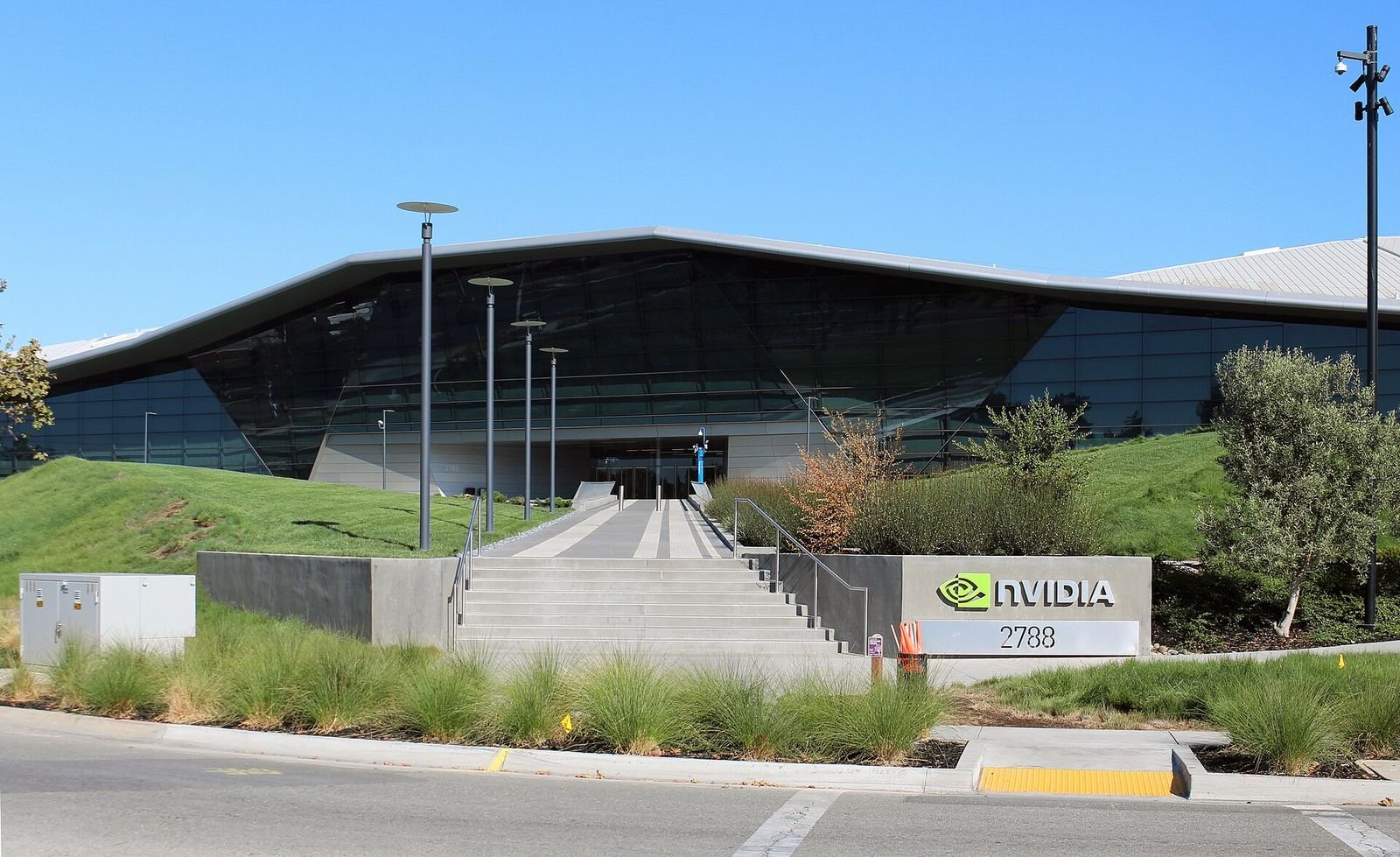
The selling centered on the AI trade. Nvidia, the chipmaker at the heart of the boom, fell 14 percent on Friday — its worst day in almost two years — after reports that the Securities and Exchange Commission is examining the company’s accounting practices. The stock is now down roughly 48 percent from its early October peak, and more than $2.8 trillion in market value has vanished in 45 days. Broadcom tumbled about 12 percent on unconfirmed reports that Alphabet’s Google would cut next year’s chip shipments.
Even Anthropic, the AI lab that had just staged a record stock market debut, could not escape the downdraft. Its shares fell 8.5 percent on Friday, giving back much of the gain from its first day of trading on Thursday, when it raised $81.34 billion at a valuation of $1.414 trillion. Since the beginning of the week, companies on the Nasdaq have lost more than $4 trillion in market value.
The fear gauge
The selling spread well beyond chips. The VIX, Wall Street’s measure of expected volatility, jumped to 37.42, and investors piled into bonds, pushing the 10-year Treasury yield down to 4.91 percent. There were few places to hide: the equal-weight S&P 500 fell about half as much as the cap-weighted index, a sign that megacap stocks led the decline but the selling reached industrials, consumer discretionary and other sectors too.
| Index | Friday’s close | Friday’s change | Change for the week |
|---|---|---|---|
| S&P 500 | 6,910.39 | -3.70% | -8% |
| Nasdaq Composite | 22,618 | -5.28% | -10% |
| Dow Jones | 48,147 | -1.93% | -8% |
What comes next
The debate now is whether this is a healthy correction or the start of something worse. Treasury Secretary Scott Bessent warned on CBS on Sunday that the Federal Reserve could make a policy mistake by overtightening, citing hawkish remarks from Fed governors and a sharp tightening in financial conditions. President Trump blamed a roughly $6 trillion market decline on the Democrats’ midterm wins. Bitcoin, meanwhile, held above $60,000 over the weekend, trading near $60,800 on Sunday.
For investors, the week ahead offers little rest. The market’s next test will be whether buyers step in at these levels — or whether the AI trade that carried Wall Street to record highs in October has further to fall.
Sources: CNN, November 20, 2026; The Motley Fool, November 20, 2026; Le Monde, November 21, 2026; Argus, November 23, 2026.