










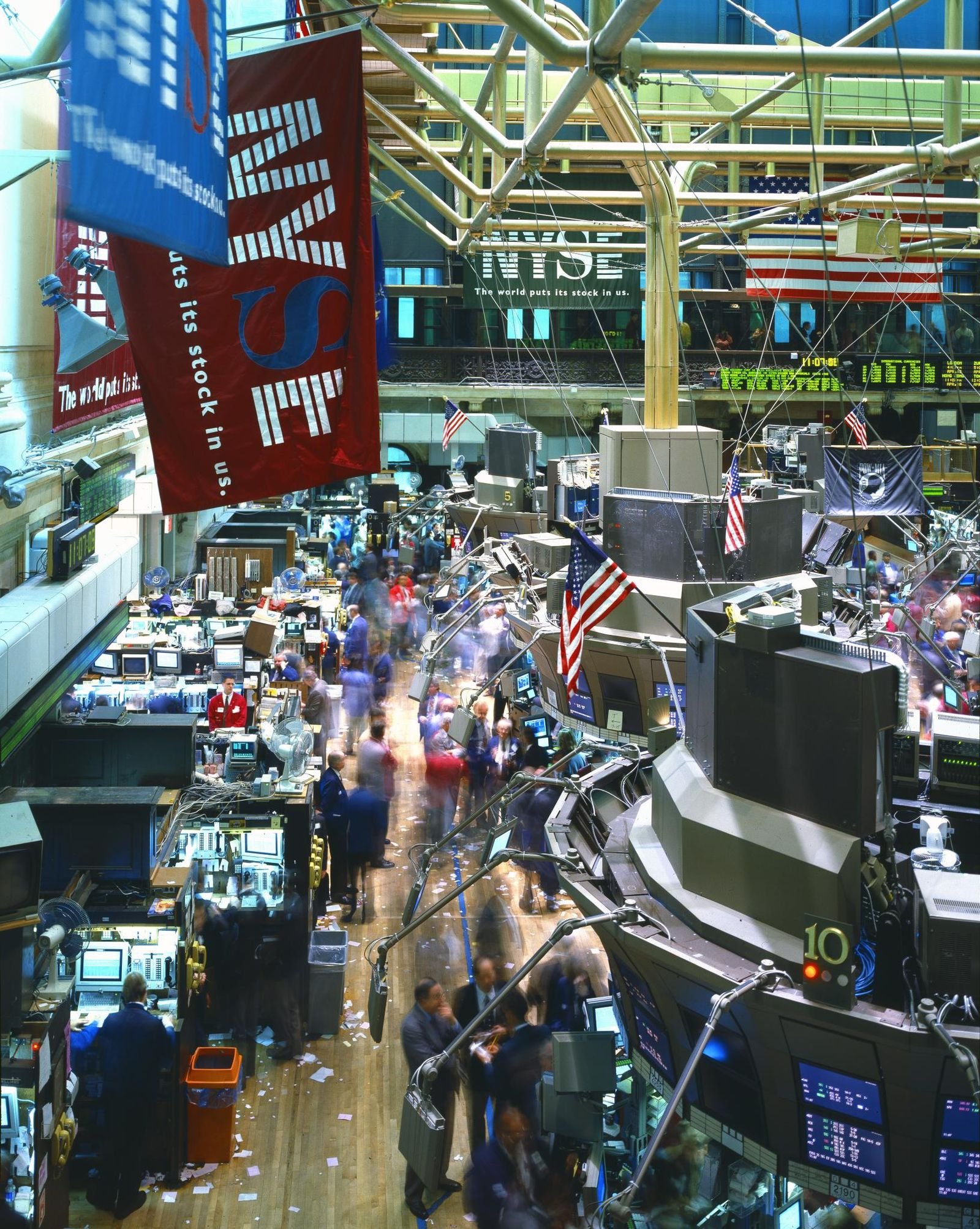
Wall Street suffered its worst day in more than a year on Thursday, as the Nasdaq plunged 5.5 percent and roughly $3 trillion in market value vanished in a single session. The trigger was politics: investors fear the Democrats’ midterm sweep will mean tighter regulation of artificial intelligence and a slowdown in the data-center building boom that has powered the market for two years.
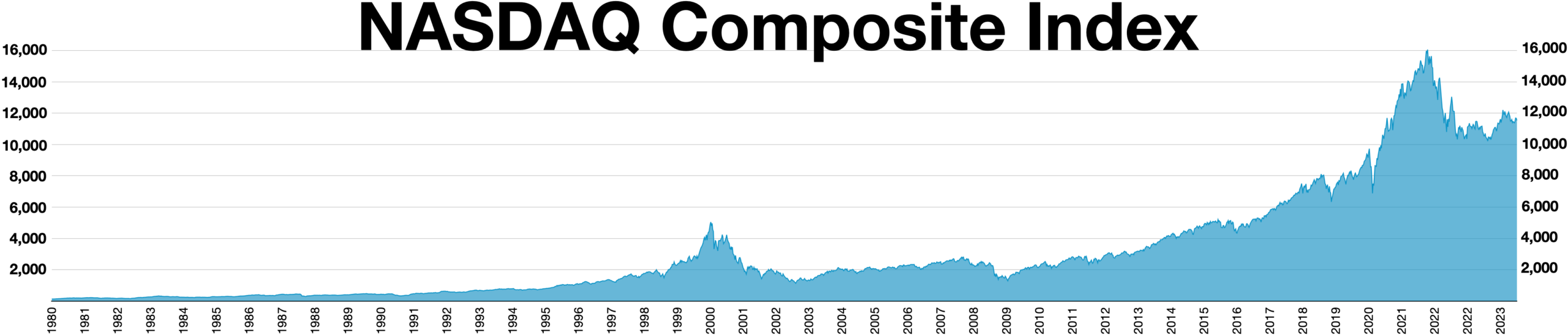
The numbers were brutal across the board. The technology-heavy Nasdaq Composite fell 5.52 percent to 24,315.00, its biggest one-day drop in 19 months and more than 10 percent below its October 6 record high — putting it in correction territory. The S&P 500 lost 4.36 percent to 7,353.73, its steepest one-day decline since President Donald Trump’s April 2025 tariff announcement, according to the Associated Press. The Dow Jones Industrial Average dropped 1,833 points, or 3.44 percent, to 51,523.06.
The Financial Times calculated that US stocks shed $3.2 trillion on Thursday, with the market-value drop in the broad S&P Composite 1500 index the biggest since the turn of the millennium, based on FactSet data.
Chipmakers led the rout
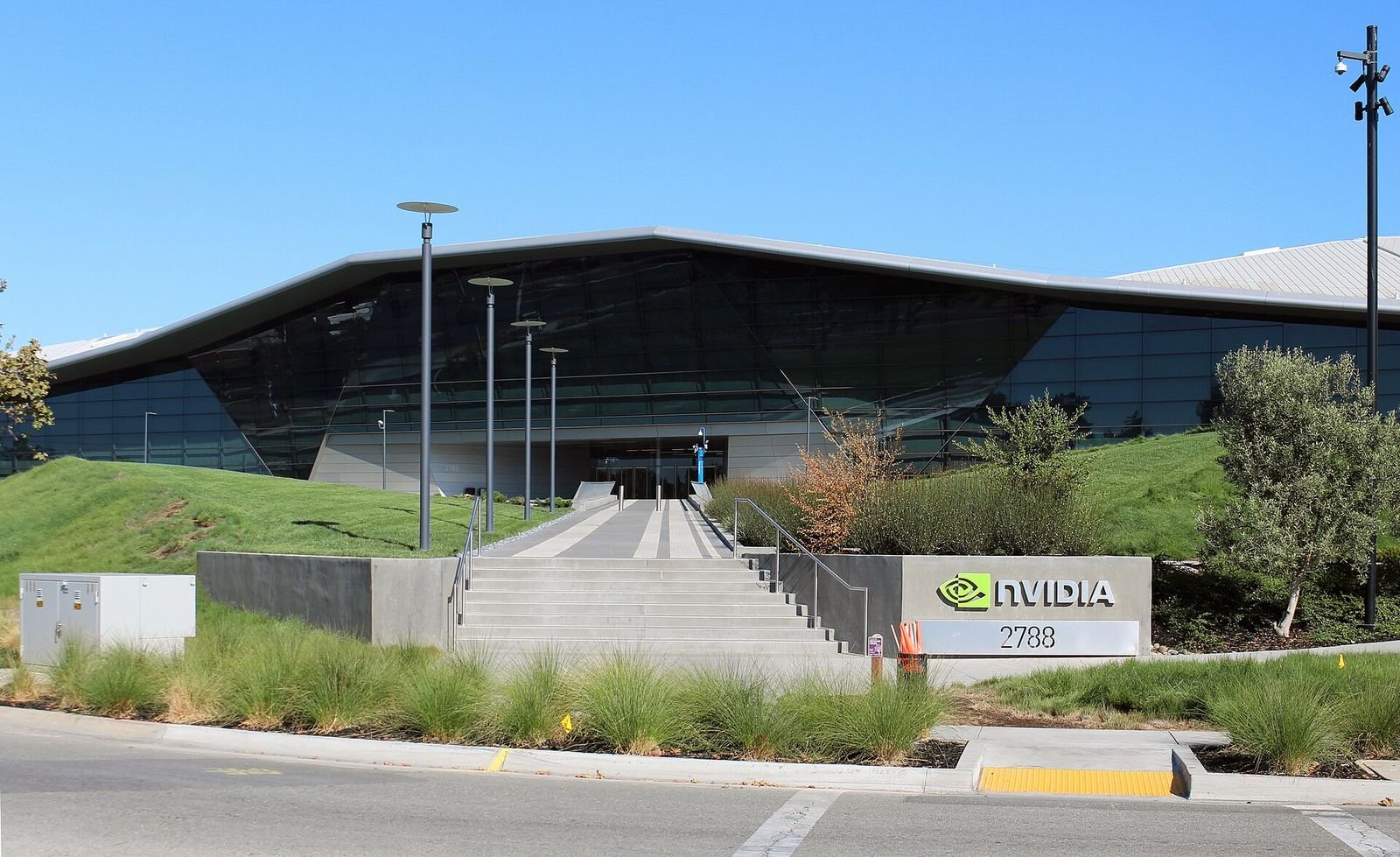
The damage was concentrated in the companies building and financing the AI boom. The Philadelphia Semiconductor Index plunged about 12 percent, its worst day since March 2020. Nvidia, the chipmaker at the center of the AI boom, tumbled 9.3 percent. Advanced Micro Devices plunged 17.3 percent, according to the AP, and Micron fell about 15 percent.
Data-center operators suffered more: IREN and Applied Digital each fell more than 14 percent, and CoreWeave dropped almost 10 percent. The VIX fear index surged 11.57 points to around 28.2 as investors rushed toward Treasury bonds and gold.
The sell-off reversed Wednesday’s post-election rally in brutal fashion: the Dow had surged more than 1,500 points in its best day in 18 months, and the S&P 500 gained 1.6 percent. Thursday erased all of it — and then some.
Why investors are suddenly afraid of AI
The fear is not about earnings but about the buildout: tighter restrictions on data-center development would slow construction, cutting demand for the chips, power equipment and other products behind the AI expansion. Roughly 30 percent of projected US data-center capacity additions in 2028 could face disruption, according to a UBS analysis cited by Reuters.
Analyst Dan Ives wrote Thursday that growth into 2028 “will clearly moderate significantly” given the political map, especially in Texas, where roughly a quarter of planned US capacity sits and voters just elected a governor who campaigned on a data-center moratorium.
The political map is what changed: voters rejected data-center projects in 47 of 50 ballot measures on Tuesday, and Democrats who promised AI regulation swept into office.
The rout went global
The panic spread overnight: Japan’s Nikkei fell 6 percent on Friday, its steepest one-day drop since April 2025. South Korea and Taiwan fell more than 8 percent at the open, Kospi trading was temporarily halted, and Taiwan’s TAIEX closed the week down 12.2 percent — its biggest weekly decline since 1991. Samsung dropped nearly 6 percent, SK Hynix 9.4 percent, and Kioxia and SoftBank 11 percent each. Even London’s FTSE 100 fell 1.8 percent on Friday morning.
President Trump blamed the Democrats: “The Stock Market crashed today because the Dumocrats had a big Tuesday,” he wrote, adding: “So sad to see, you only have yourselves to blame!”
| Thursday’s sell-off at a glance | Figure |
|---|---|
| Nasdaq Composite | −5.52% to 24,315.00 (correction territory) |
| S&P 500 | −4.36% to 7,353.73 |
| Dow Jones | −1,833 points (−3.44%) to 51,523.06 |
| Market value wiped out | About $3 trillion ($3.2tn per FT) |
| Philadelphia Semiconductor Index | About −12% |
| Nvidia / AMD | −9.3% / −17.3% |
| Nikkei (Friday) | −6% |
| Taiwan TAIEX (week) | −12.2%, worst since 1991 |
What to watch next
Some context: even after Thursday, the S&P 500 was still up about 7.4 percent in 2026, the Dow 7.2 percent and the Nasdaq 4.6 percent, according to the AP. The question is whether Thursday was a one-day panic or the start of the AI bubble deflating. Watch Friday’s US session, next week’s employment data, and what the incoming Democratic Congress proposes on AI.
Sources: Associated Press via Daily Caller (Nov 5, 2026); NY Post, “Wall Street sees biggest market cap drops ever after midterm bloodbath for GOP” (Nov 5, 2026); Financial Times via The Guardian live blog (Nov 6, 2026); Reuters via SRN News; Rest of the World Report morning edition (Nov 6, 2026); The Times (Nov 6, 2026).


10 thoughts on “Wall Street’s Worst Day in 19 Months: $3 Trillion Wiped Out as the AI Trade Unravels”