










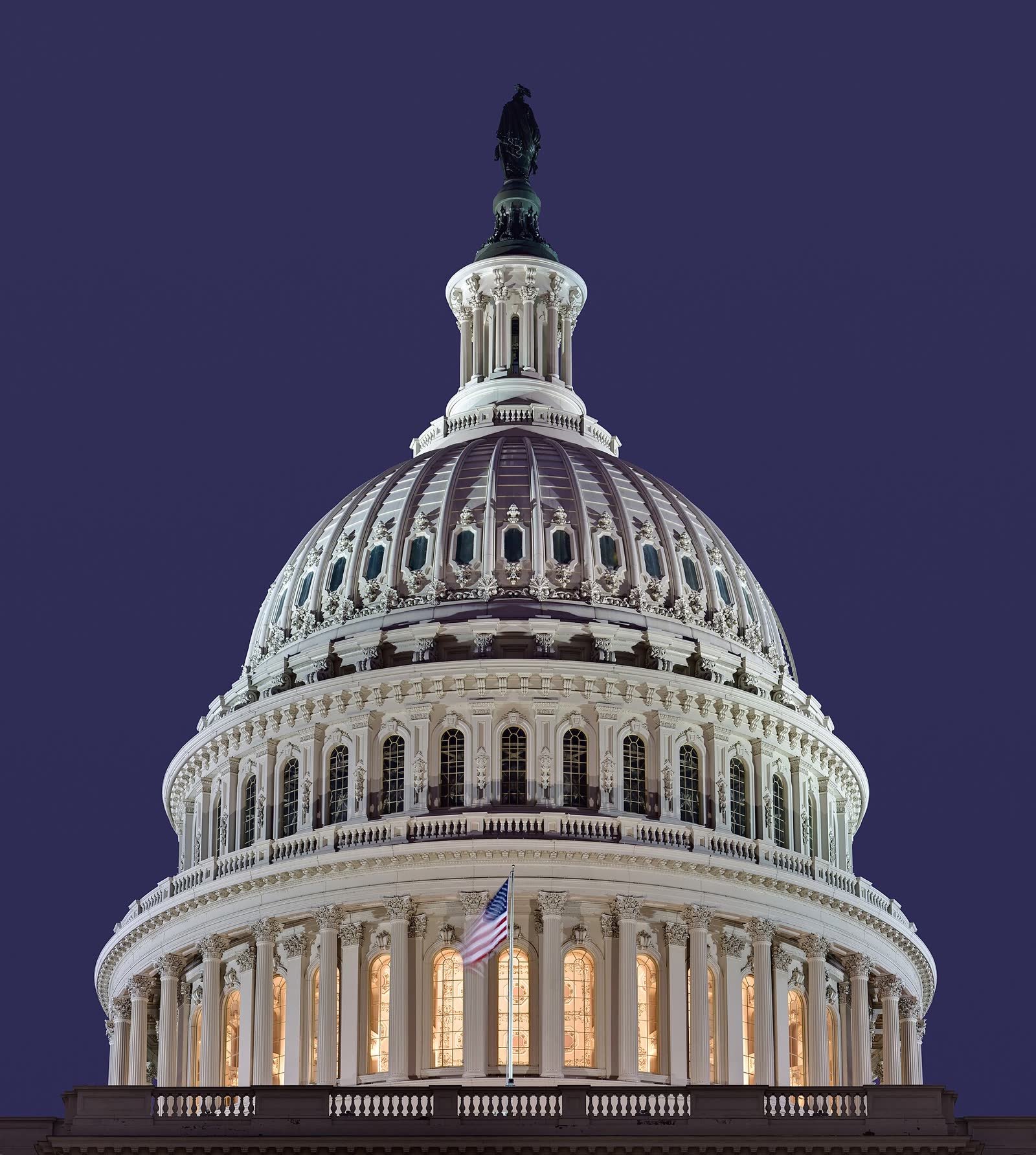
The United States Senate passed a sweeping bipartisan bill on Thursday evening to speed up federal approvals for energy and infrastructure projects, clearing the biggest overhaul of the permitting system in years by a vote of 62 to 33.
The Bipartisan American Affordability and Jobs Act, a bill of more than 400 pages, passed with 14 Democrats joining most Republicans in support, while two Republicans voted against it. The bill now heads to the Republican-controlled House of Representatives, where its future is uncertain and the legislative window is shrinking.
The vote came after months of painstaking negotiations between senators from both parties, and it marks Congress’s most significant effort in years to ease the bottlenecks blamed for rising energy costs. Supporters say the bill will cut the time it takes to build power plants, transmission lines, mines and data centers. Critics, including most Democrats and environmental groups, say it weakens environmental protections that have been in place for decades.
What the bill would change
At the heart of the bill is a rewrite of the federal permitting process. It would shorten the deadlines for many environmental reviews, reduce the window for lawsuits against developers over environmental concerns, and restrict the circumstances in which approvals for projects can be withdrawn once granted.
The bill also answers one of the most politically charged questions of the year: who pays for the electricity that artificial intelligence data centers consume. Under the legislation, data centers would have to pay their own way for the power they require, rather than passing those costs on to households and other consumers.
| What the bill covers | How it changes the rules |
|---|---|
| Environmental reviews | Shorter deadlines for federal reviews of energy projects |
| Lawsuits against projects | Narrower window to sue developers over environmental concerns |
| Project approvals | Harder to withdraw an approval once it is granted |
| Data centers | Must pay their own way for the electricity they use |
| Clean energy | Support for wind and solar alongside oil, gas and mining |
| Nuclear power | Streamlined licensing hearings for nuclear plants |
The legislation also reforms the Federal Energy Regulatory Commission’s authority over where transmission lines can be built, and it includes measures to speed up oil and gas drilling permits on nonfederal lands where the federal government owns less than half of the mineral rights.
A rare bipartisan win — and a divided reaction
The bill was negotiated by Senators Mike Lee, Shelley Moore Capito, Sheldon Whitehouse and Martin Heinrich, and it was endorsed by President Donald Trump. Senator Capito, a co-author of the bill, said after the vote: “Tonight, the passage of permitting reform in the Senate finally became reality and we took a major step towards addressing the affordability concerns of the American people.”
Reaction split along familiar lines. Business groups, labor unions and the Citizens’ Climate Lobby applauded the vote, with the climate group calling permitting reform “climate legislation” because it puts clean energy on a level playing field. Environmental groups and Native American tribes opposed it, arguing that it cuts consultation rights and weakens landmark laws including the National Environmental Policy Act and the Clean Water Act. Some amendments meant to address tribal concerns were blocked during the Senate debate.
What happens next
The bill now moves to the House, where some Democrats have voiced opposition and many Republicans are preparing to leave Capitol Hill after losing their seats in the midterm elections. The House must also deal with a funding deadline: the continuing resolution that keeps the government open expires on December 11, and that fight will compete with permitting reform for the remaining days of the session.
If the House passes the bill, President Trump is expected to sign it into law. For now, the Senate vote is the furthest a permitting overhaul has ever advanced — and the next test is whether the House takes it up before the clock runs out.
Sources: Reuters, November 20, 2026; The Wall Street Journal, November 20, 2026; USA Today, November 19, 2026; NPR, November 20, 2026; U.S. Senate (Senators Cramer and Scott), November 19, 2026; Citizens’ Climate Lobby, November 19, 2026.




2 thoughts on “Senate Passes Sweeping Energy Permitting Bill 62-33, Sending It to an Uncertain House Vote”