










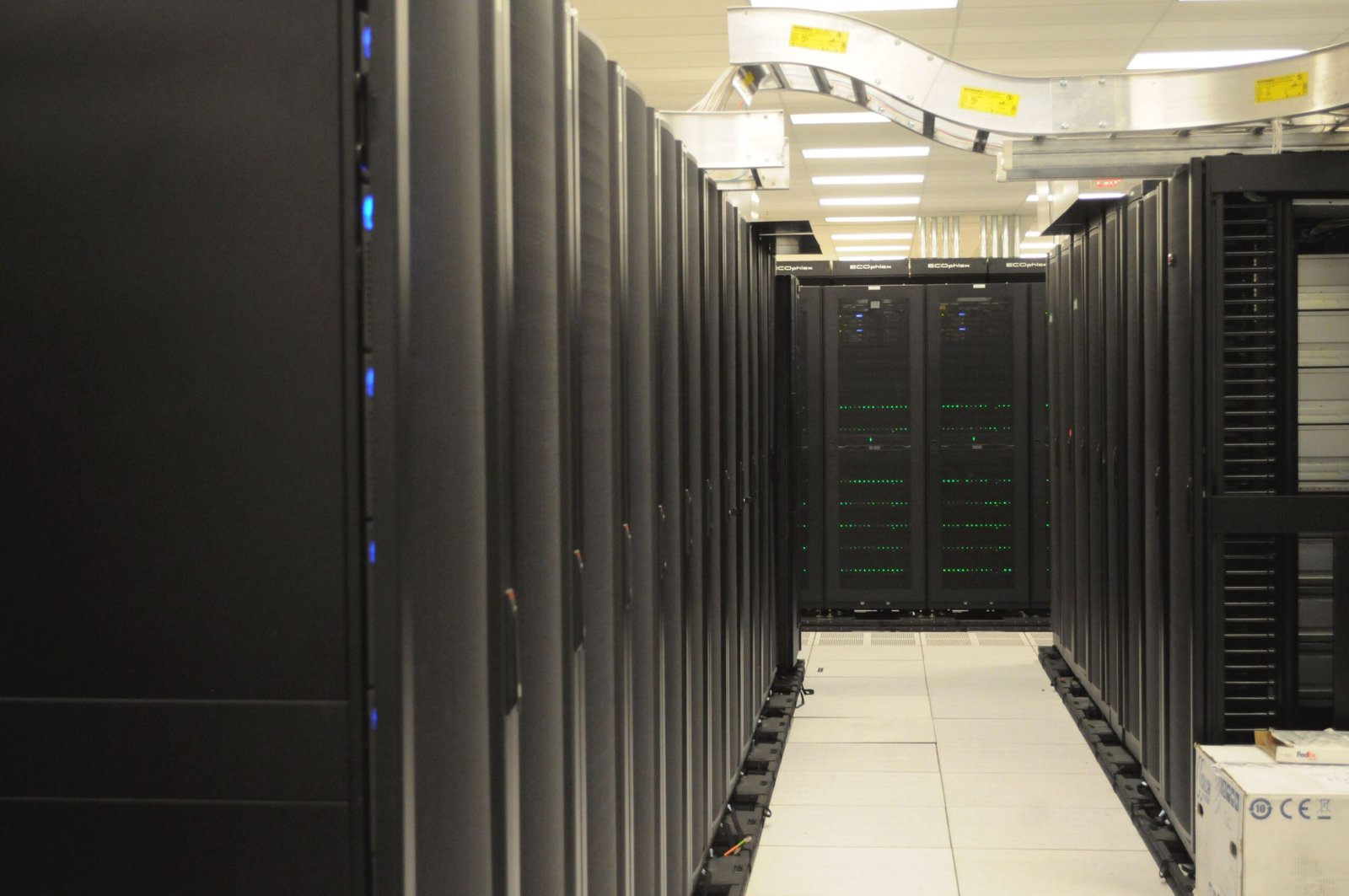
American voters delivered a blunt verdict on the artificial intelligence boom on Tuesday: not in our town. In ballot measures across the country, voters rejected data-center projects in 47 of 50 cases, according to data compiled by Ballotpedia — a near-total rebuke of the industry’s massive buildout, and a signal that the politics of AI have changed overnight.
The results, reported by The New York Times under the headline “Voters Rejected A.I. in the Midterms. Now Comes an Era of Scrutiny,” were not confined to one party or one region. More than three dozen local measures passed that tightened rules on data centers, according to consulting firm Redbud Consulting, adding to restrictions already imposed by nearly 600 jurisdictions across the country, according to Electric Choice.
The towns that said no
The most striking rebuke came in Piqua, Ohio, where voters approved a ban on data centers with a capacity of more than 25 megawatts — effectively ruling out any large-scale project. The measure passed with two-thirds of the vote, and it now jeopardizes a data center worth more than $1 billion planned by Meta, even though the project had already been approved.
The campaign was led by local residents, including a 42-year-old farmer who wept with joy when the result came in. The fight had already cost the town’s leadership: two city council members and the mayor were removed from office over the project.
It was the same story elsewhere: in Ottawa, near Kansas City, residents overwhelmingly approved a ban on large data centers — “We’re not for sale,” said resident Michael Lewis — and in Janesville, Wisconsin, voters backed new restrictions after the council rejected an $8 billion Viridian proposal for a former General Motors site.
Ohio was the epicenter: 21 ballot measures related to data centers were on the ballot there. Democratic Senate candidate Sherrod Brown made the issue central to his successful campaign, painting Republican opponent Jon Husted as the “face of data centers.”
Texas was the shock
If the local votes were the signal, Texas was the shock. Roughly 25 to 30 percent of planned US data-center capacity sits in the state — and voters there turned against the industry’s champions. Democrat Gina Hinojosa defeated three-term Republican Governor Greg Abbott, campaigning on a moratorium on data-center projects and a promise to make sure the facilities do not strain the power grid. Democrat James Talarico won the US Senate race in Texas, and every county in the state shifted left.
The message was consistent: after two years of little federal AI oversight, communities are exhausted by projects they say strain electricity and water supplies and deliver little in return.
The industry scrambles to respond
The backlash is already forcing the industry to change its pitch. OpenAI on Thursday published a National Community Compact and a Compute Campus Policy Blueprint, pledging that for future campuses it owns and operates, it will pay electricity and associated infrastructure costs, provide financial assurances, and report on water, energy, noise and local hiring. The company also promised to cut power use during peak times, share data on noise, water and energy impacts, and ensure residents do not end up footing higher bills.
Policy analyst Ed Mills of Raymond James said the results could give the incoming 120th Congress an impetus to regulate data centers. But a sweeping federal AI bill remains unlikely with a Republican in the White House — the pressure is likelier to land locally, one land-use vote at a time.
| The data-center verdict | Figure |
|---|---|
| Ballot measures on data centers nationwide | At least 50 |
| Decided against data centers | 47 (3 still pending) |
| Local bans or restrictions passed | More than 38 jurisdictions |
| Jurisdictions with existing restrictions | Nearly 600 |
| Share of planned US data-center capacity in Texas | About 25–30% |
| Piqua, Ohio: Meta project now at risk | More than $1 billion |
What to watch next
Watch whether other states follow Texas with moratoriums, whether Congress holds hearings on data-center power and water use, and whether the industry’s new pledges satisfy the towns that voted no.
Sources: The New York Times, “Voters Rejected A.I. in the Midterms. Now Comes an Era of Scrutiny” by Cecilia Kang and Sophia June (Nov 4, 2026); NY Post, “Voters reject data centers in nearly 50 ballot initiatives during midterms” (Nov 4, 2026); Ballotpedia data via NY Post; Malay Mail, “‘We’re not for sale’: Americans reject data centre projects amid growing AI backlash” (Nov 6, 2026); Precise Impact AI Daily Brief (Nov 6, 2026).



One thought on ““We’re Not for Sale”: Voters Rejected Data Centers in 47 of 50 Ballot Fights — and the AI Boom Just Hit a Wall”