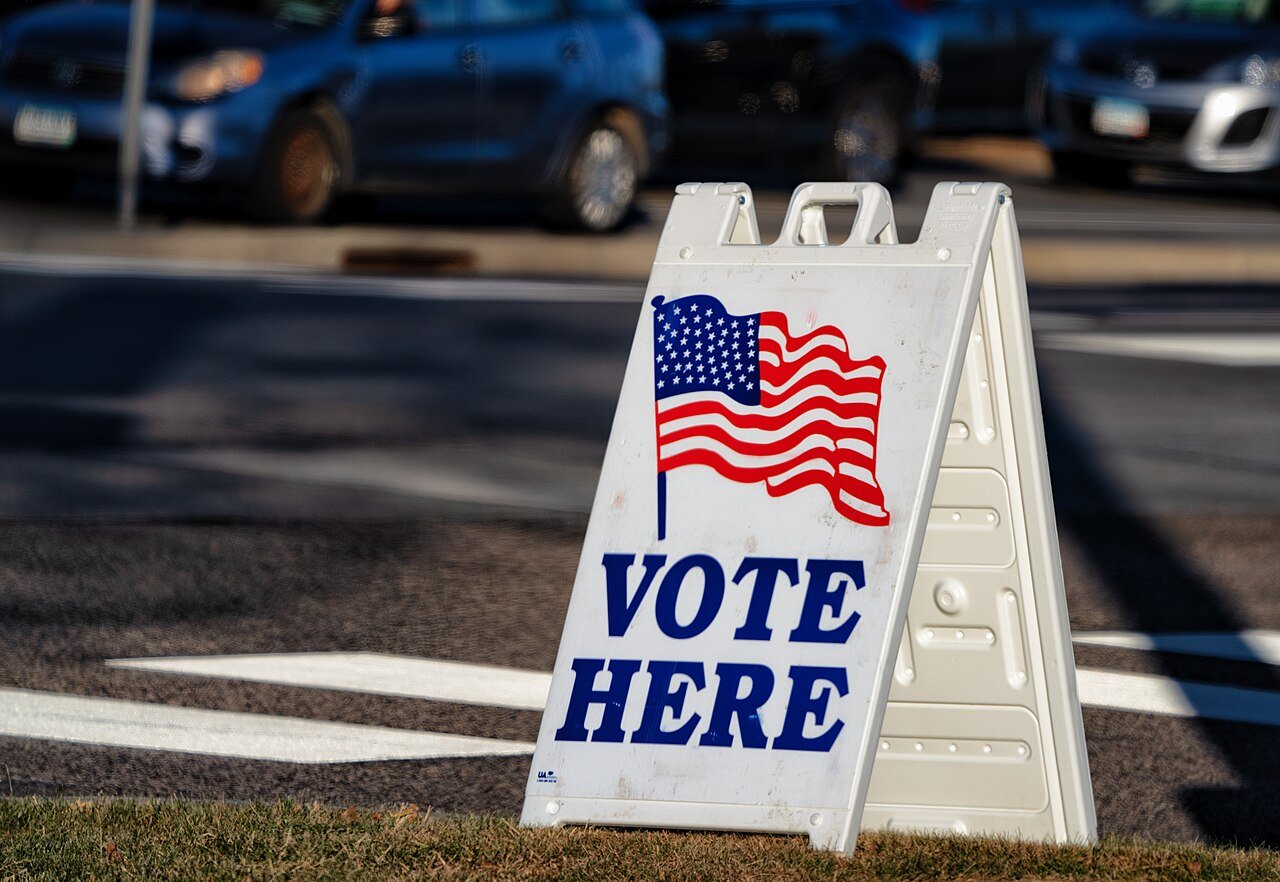









Beyond Congress and the governorships, American voters are deciding something closer to home on Tuesday: whether the giant data centers powering the artificial intelligence boom belong in their backyards. Voters in 13 states will decide at least 49 local ballot measures related to data centers in 2026, and 41 of them are on the ballot in the November 3 general election, according to Ballotpedia.
A local fight with national stakes
A “yes” vote on 28 of Tuesday’s measures would limit data center development through bans or moratoriums. A “yes” vote on the remaining 13 would facilitate development, through zoning changes and similar measures. The measures are local — decided county by county, township by township — but the companies watching are among the largest in the world, including Amazon and Alphabet, whose data center spending runs into the hundreds of billions of dollars.
Ohio is ground zero. The state accounts for 21 of the 49 measures across 18 jurisdictions — 43% of the national total. Some would prohibit data centers outright, some would require voter approval before construction can start, and others turn on zoning rules. Ohio has about 200 data centers already, one of the biggest concentrations in the country.
The scoreboard so far: limits are winning
Every data center measure decided earlier in 2026 has favoured greater limits on development. On August 4, voters in Augusta Township, Michigan, defeated a rezoning measure for a proposed data center by 89.6% to 10.4%. On August 11, voters in Wrightstown, Wisconsin, rejected a nonbinding measure supporting data centers by 87.3% to 12.8%. On September 8, voters in Nottingham, New Hampshire, approved a one-year moratorium on data center permitting by 90.3% to 9.7%.
The pattern is not confined to small towns. According to Ballotpedia, voters in 10 states are deciding local data center policy on Tuesday, and a recent Quinnipiac poll reported by Bloomberg found nearly three-quarters of voters would oppose a data center in their own community, citing air and noise pollution and higher utility bills. The Washington Post has reported that two-thirds of Americans oppose building new AI data centers, and 57% say artificial intelligence is bad for society.
Why voters are pushing back
Data centers are the physical backbone of the AI boom: warehouse-sized buildings packed with servers that consume enormous amounts of electricity and water. There are around 3,172 active data centers in the United States, with another 5,098 in the pipeline, according to Cleanview’s data center map cited by the New York Post.
Residents near proposed sites complain about strained power grids, rising electricity bills, noise from cooling systems and the sheer scale of the buildings. Developers and supporters argue the projects bring jobs, tax revenue and the infrastructure the country needs to compete in AI.
The politics have crossed party lines. Fast Company reported that in 20 of the 36 gubernatorial races, candidates are calling for a moratorium on AI data centers, according to the policy tracking firm Multistate. And a Reuters/Ipsos poll published on Tuesday found 42% of registered voters said limiting the construction of data centers used to power AI was very important or the most important issue in deciding their vote.
What the big projects at stake look like
| Project / place | What’s on the line |
|---|---|
| Amazon, Wilmington, Ohio | A planned $4 billion hyperscale data center; voters decide on rezoning the site |
| Google, Kansas | A planned 1.7-million-square-foot campus, construction set to begin around 2027 |
| Google, California | A proposed 250-megawatt data center |
| Texas | Around a quarter of planned US data center construction; moratoriums proposed |
| Michigan | Candidates pushing tighter limits after Augusta Township’s 89.6% rejection |
Amazon alone plans to pour $220 billion into capital projects in 2026, most of it into physical data centers, according to TipRanks. Two further measures are still to come after Tuesday: Clarksville, Arkansas, votes December 1 on bond ordinances supporting a data center project, and Mandan, North Dakota, votes December 15 on banning data centers using 25 megawatts or more.
What to watch next
Tuesday’s results will show whether the early pattern — voters rejecting data centers by wide margins — holds when the measures are on a high-turnout general election ballot rather than a low-turnout local vote. If limits win again, expect developers to rethink where they build, and expect state legislatures to face pressure to settle the question from above.
Sources: Ballotpedia, “Data center-related ballot measures, 2026” and “State Democratic and Republican parties took opposing positions on 70 ballot measures” (Nov 2, 2026); Fast Company, “Midterm elections 2026: AI data centers could decide races in these states” (Nov 2, 2026); New York Post, “Election Day voters in 13 states to decide the fate of data centers in their backyards” (Oct 30, 2026); Reuters/Ipsos poll (Nov 3, 2026).