







The approval
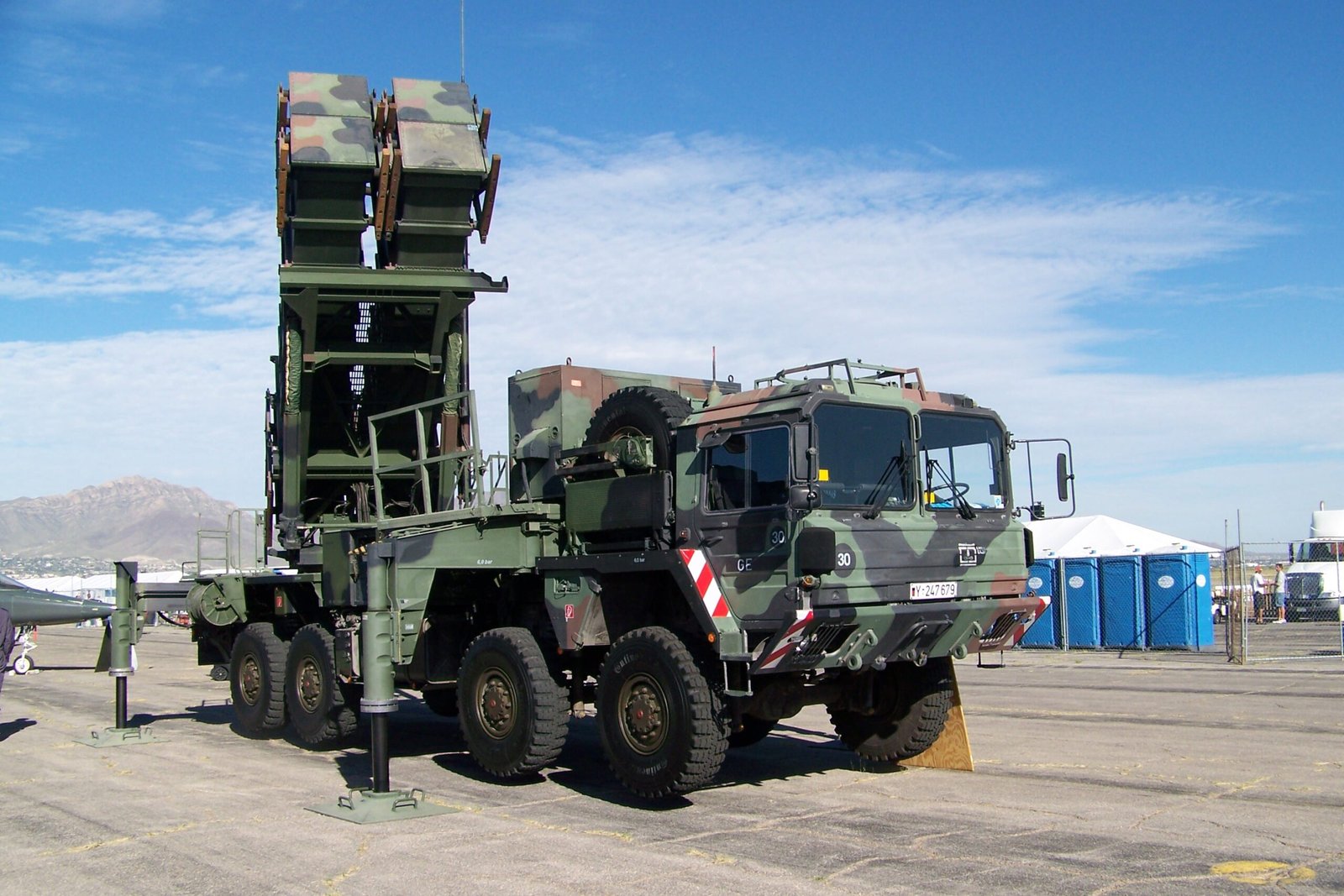
On Friday, October 30, the U.S. State Department approved a possible foreign military sale of 500 Patriot PAC-3 Missile Segment Enhancement (MSE) interceptors to Ukraine, at an estimated cost of $2.1 billion. It is one of the most significant steps to supply defensive weapons to Kyiv since the start of President Donald Trump’s second administration in January 2025, according to Al Jazeera’s account of the announcement. The headline number is large. The catch is the calendar. The missiles do not exist yet. They will come from new production lines, not from existing American stockpiles, and two people briefed on the decision told reporters they are not expected to be delivered until “a couple of years into the 2030s.” No official delivery schedule has been announced.
Who pays — and who builds
No U.S. government funds are involved in the sale, the State Department said. Ukraine will pay with contributions from Canada, Germany and Norway routed through a programme called US JUMPSTART, along with national funds financed by the European Union’s Ukraine Support Loan. Lockheed Martin is the principal contractor. The company signed a framework contract with the U.S. Army worth up to $58.6 billion in July, and plans to roughly triple annual Patriot interceptor output to 2,000 missiles by 2030. That ramp-up is part of the story: the U.S. Department of Defense has reported annual production of only about 600 of the missiles, which helps explain why a 500-missile order cannot simply be filled from a warehouse.
Why Ukraine wanted them now
The timing matters because Ukraine’s need is immediate. CNN previously reported that Ukraine had exhausted its supply of Patriot interceptors earlier in October, and Kyiv has been seeking roughly 100 interceptors per month to defend against continuing Russian strikes on cities and energy infrastructure ahead of winter. President Volodymyr Zelenskyy said on Monday that Kyiv had waited almost a month for Washington’s sign-off, and on Friday night he repeated his calls for faster shipments, including missiles from existing American stockpiles. On Saturday morning he said around 200,000 households in the Dnipro region and at least 80,000 households in the Kyiv region were left without electricity after Russian strikes on Friday night. In its statement, the State Department said the proposed sale would support American foreign policy and national security objectives “by improving the security of a partner country that is a force for political and economic stability in Europe.” It is, however, an approval of a possible sale: contract steps remain, and Congress must still sign off before contracts take effect.
| Missiles | 500 Patriot PAC-3 MSE interceptors, plus spares, telemetry kits and logistics support. |
| Estimated cost | $2.1 billion. |
| Principal contractor | Lockheed Martin. |
| Who pays | Canada, Germany, Norway via US JUMPSTART, plus EU-backed Ukrainian national funds. |
| U.S. funds | None, per the State Department. |
| Delivery | New production; reported as not expected until a couple of years into the 2030s. |
What this winter actually looks like
The gap between approval and arrival is the article’s real subject. A sale approved in October 2026 does not change Ukraine’s air defences this winter. For the months ahead, Kyiv’s protection depends on what it already has, what allies can transfer from their own stocks, and whether production can be accelerated beyond current plans. That is not an argument that the deal is meaningless. Five hundred interceptors, once built, would be among the largest Patriot orders Ukraine has ever placed, and the financing structure — allies paying, American factories building — is a model Washington may reuse. But for Ukrainians facing nightly strikes on the power grid, the honest summary is the one buried in the fine print: $2.1 billion approved, zero missiles this winter.
What to watch next
Watch for the formal contract notification to Congress, any announcement of accelerated production or transfers from existing stocks, and Zelenskyy’s next public assessment of interceptor supplies. If any missiles are pulled forward from stockpiles, that — more than the headline approval — will be the news that changes this winter.
Sources: U.S. State Department statement, October 30, 2026; Reuters via Al Jazeera, October 31, 2026; ABC reporting on delivery timeline; CNN reporting on interceptor stocks.


One thought on “$2.1 Billion, Zero Missiles This Winter: The Patriot Sale to Ukraine and the Long Wait Behind It”