







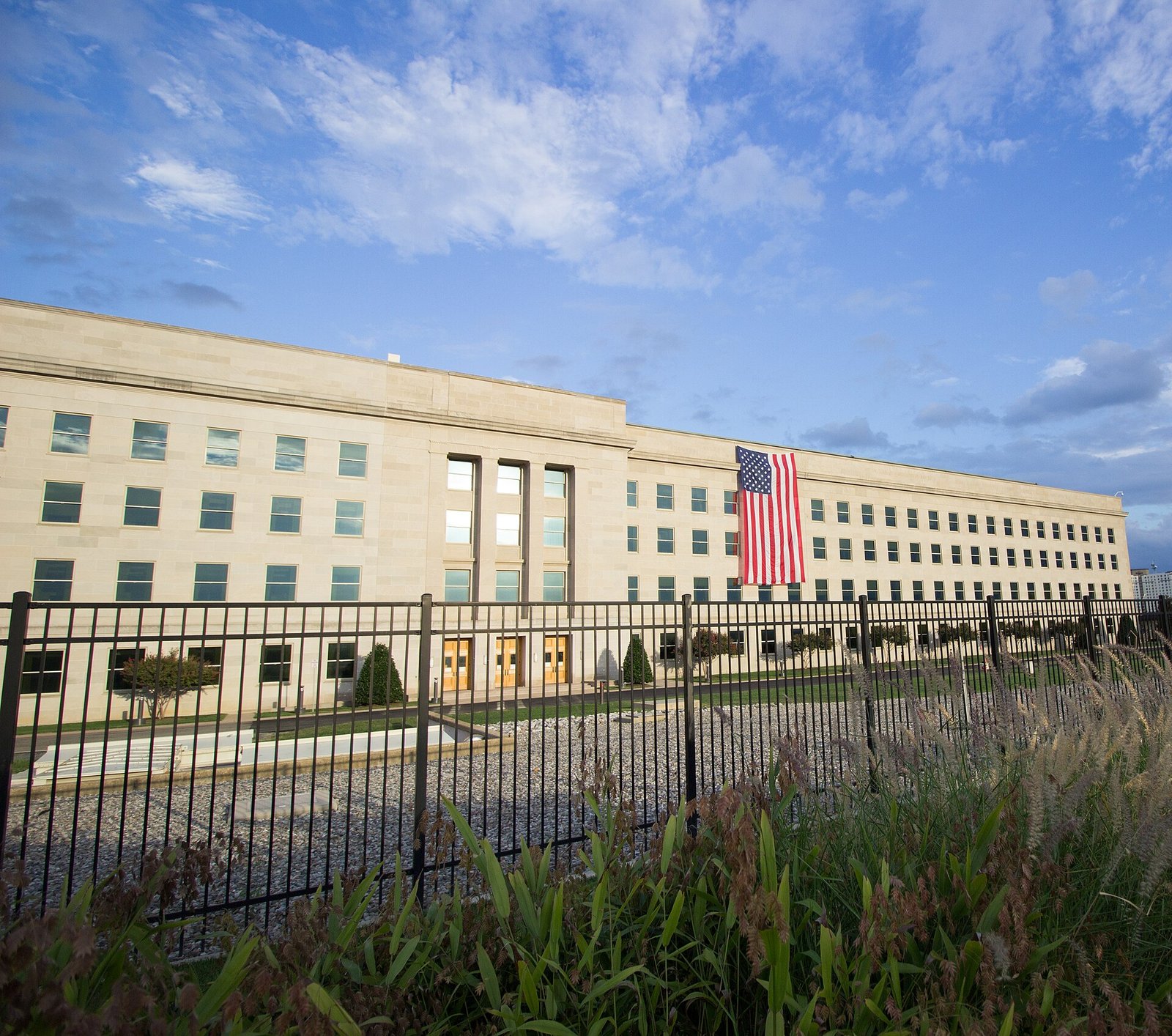
Iranian missile and drone strikes have damaged at least 274 structures across 24 U.S.-linked military installations in the Middle East, according to a Wall Street Journal analysis of satellite imagery and U.S. officials reported on October 31, leaving the Pentagon facing repair costs estimated at a minimum of $5 billion and as high as $15 billion.
The figures, the largest public accounting yet of the damage to American facilities in the war, expose how far the conflict’s costs extend beyond the battlefield — into runways, barracks, warehouses and the air-defense systems meant to protect them.
The scale of the damage
The Journal’s analysis found damage spread across two dozen installations, with the Pentagon’s own estimate putting the cost at no less than $5 billion. A separate assessment put the total as high as $15 billion, while the Center for Strategic and International Studies estimated that rebuilding damaged buildings alone would cost more than $4 billion, excluding the replacement of equipment and internal systems.
The gap between those figures is itself telling. Satellite imagery can show which roofs collapsed and which buildings burned, but the full bill depends on what was inside — electronics, weapons systems and infrastructure whose value is not visible from orbit and, in some cases, not publicly disclosed.
The first two weeks
The heaviest early damage came fast. During the first two weeks of the war, Iranian retaliatory strikes damaged at least 119 buildings across 13 U.S. military installations, mostly in Kuwait, according to the satellite imagery reviewed by the Journal.
Naval Support Activity Bahrain, headquarters of the U.S. Navy’s Fifth Fleet, was among the hardest-hit facilities, forcing the evacuation of most of its personnel. The strikes also forced large-scale relocations from Camp Buehring and Camp Arifjan in Kuwait, as Washington moved troops away from sites that had become targets.
A campaign that shifted toward troops
Iran’s targeting strategy became increasingly focused on facilities housing American troops after a temporary ceasefire collapsed on July 7, the analysis found. On July 17, an Iranian strike on Muwaffaq Salti Air Base in Jordan killed three U.S. service members and damaged at least 19 buildings used to accommodate personnel.
That shift — from infrastructure to places where troops sleep — helps explain the casualty toll. More than 20 U.S. service members have died in incidents related to the war, and more than 400 were wounded before casualty reporting specific to the conflict was suspended following the temporary ceasefire.
A war now in its ninth month
The war began after the U.S.-Israeli campaign that erupted on February 28 and has continued despite repeated U.S. claims that Iranian military capabilities had been largely destroyed. The sustained missile and drone campaign, the analysis suggests, did the opposite of fading: it adapted, striking across the region and forcing the United States to spread its defenses ever thinner.
The damage also raises a strategic question that will outlast any ceasefire. Bases built for a different era — concentrated, visible and close to the water — proved vulnerable to sustained missile attack, and rebuilding them as they were would restore the same vulnerabilities.
What to watch next
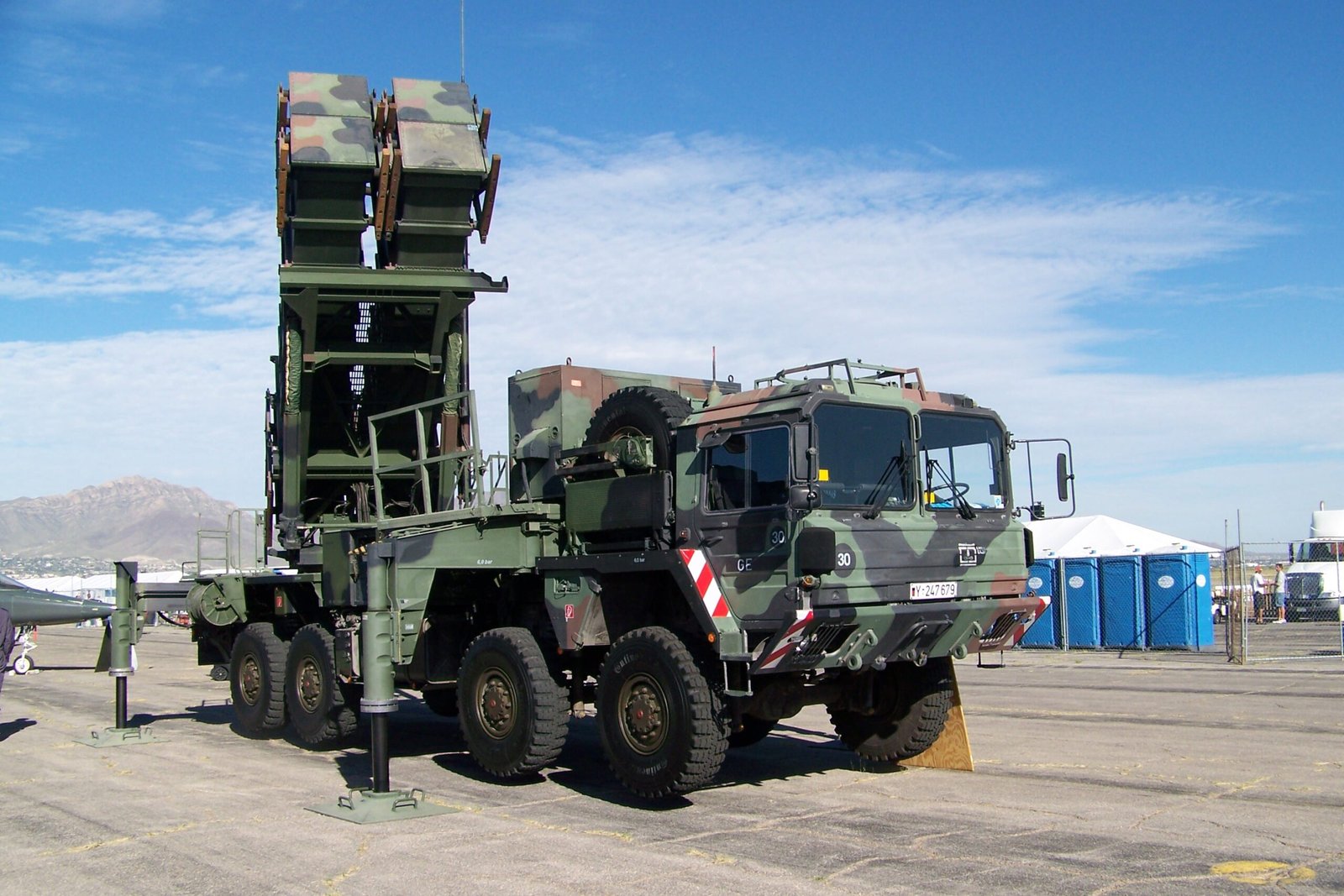
Diplomacy and military preparation are running in parallel. Qatari mediators were in Tehran on Friday, while the United States has continued moving military aircraft and air-defense equipment into the region, and Gulf states have been warned to prepare for a possible short, intense campaign after the midterm elections. No decision on renewed strikes has been publicly confirmed.
The repair bill, though, is already real. Whatever comes next, the Pentagon faces years of reconstruction across two dozen sites — and a debate about whether to rebuild, relocate or redesign the American military footprint in the Middle East.
| Structures damaged | At least 274 |
| Installations affected | 24 U.S.-linked sites |
| Pentagon estimate | Minimum $5 billion |
| Highest assessment | Up to $15 billion |
| Rebuilding buildings alone (CSIS) | More than $4 billion |
| Damaged in the first two weeks | At least 119 buildings at 13 sites |
| U.S. service members killed | More than 20 |
| U.S. service members wounded | More than 400 |
Sources: Wall Street Journal analysis of satellite imagery and U.S. officials, as reported October 31, 2026; Center for Strategic and International Studies estimate; Pentagon damage estimate as reported.

2 thoughts on “Iran’s Retaliation Damaged 274 Structures at 24 U.S.-Linked Bases, Analysis Finds, With Repair Bill Up to $15 Billion”