








Two economies at once
On the eve of elections that will decide whether President Donald Trump’s Republican Party keeps control of Congress, voters’ minds are on the economy — and the mood is sour. High and rising prices are a key issue, and many voters blame the president’s policies, specifically tariffs and the Iran war, for nagging inflation. The numbers, however, tell a more complex story. The unemployment rate was 4.2 percent in September, and has measured no higher than 4.5 percent for five straight years — the longest stretch on record. Weekly unemployment insurance claims are near a 57-year low. More people than ever are employed, overall economic growth is solid, and the artificial intelligence investment boom has, until recently, been driving up the stock market and padding retirement accounts for millions. That is the paradox of this election’s economy: an economy that looks strong on the spreadsheets and feels punishing at the checkout.
Why the mood is worse than the data
Consumer surveys show the mood has generally deteriorated since Trump’s second term began in January 2025, though with nuances. One widely tracked measure of confidence, published by the Conference Board, perked up in October. The University of Michigan’s consumer sentiment index, by contrast, registered a near-record low. Brian Jacobsen, chief economic strategist at Annex Wealth Management, told Reuters that the confidence index tracks the macroeconomy, while the sentiment index captures something closer to how households actually feel. The gap between the two is the gap between “the economy is growing” and “my grocery bill is not shrinking.” Inflation is the bridge between those two views. Though not nearly as high as just a few years ago, it is elevated and ever-present — and voters connect it directly to the policies they can name. Tariffs raise the price of imported goods. A war that began on February 28 and disrupted energy shipping pushes oil prices higher. Both are visible in ways that GDP growth is not.
The AI reset hanging over everything
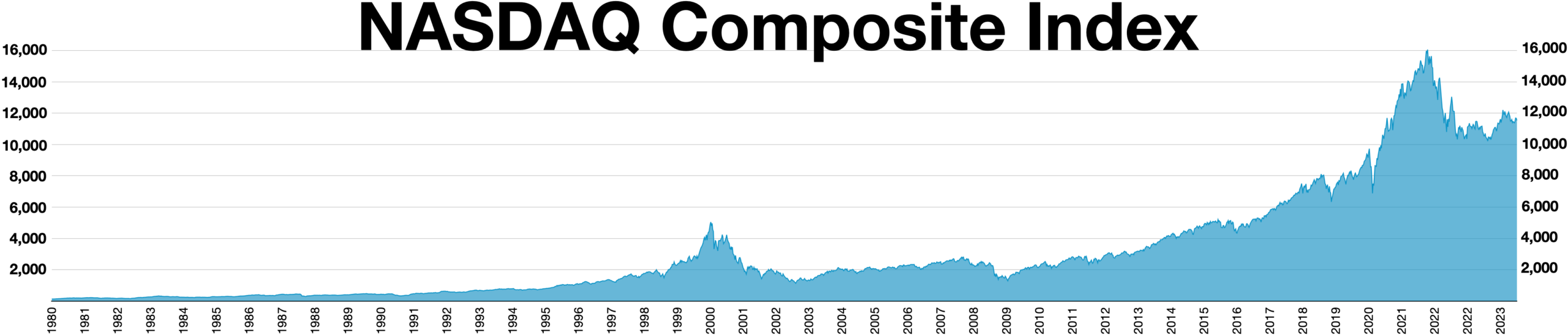
As the midterms neared, a wave of corporate earnings results from companies including Amazon and Intel added to growing worries about the sustainability of the AI spending boom, sending indexes such as the Nasdaq Composite sharply lower. That selloff followed the Nasdaq’s third correction of 2026, covered here on November 1, and it matters for the broader economy beyond shareholders. “A sharp reset in AI expectations could undermine corporate confidence, trigger a pullback in capex and weigh on GDP growth, just as higher oil prices, tariffs and tighter immigration restrictions push inflation higher, raising the risk of a stagflationary environment in which growth slows even as price pressures persist,” Torsten Slok, chief economist at Apollo Global Management, wrote in a mid-October note cited by Reuters. Stagflation — slow growth plus stubborn inflation — is the outcome policymakers fear most, because it leaves central banks with no good lever: cutting rates risks more inflation, raising them risks more unemployment. The Federal Reserve held rates at its October 28 meeting in a split vote, with markets pricing a high chance of a December hike.
| The economy voters feel | The economy the data shows |
|---|---|
| Grocery and energy prices still elevated | Unemployment 4.2% in September; five straight years at or below 4.5%. |
| Tariffs and war blamed for inflation | Weekly jobless claims near a 57-year low. |
| Consumer sentiment near a record low (Michigan) | Conference Board confidence perked up in October. |
| AI spending boom now rattling markets | Dozens of record highs for major indexes this year. |
What to watch next
Tuesday’s vote will not settle the economic argument, but it will shape who gets to make it. A Congress controlled by Democrats would constrain the president’s tariff and spending agenda; a Republican-held Congress would leave it intact. Either way, the data to watch in the weeks after the election is the same: the next inflation readings, the Fed’s December decision, and whether the AI investment boom stabilises or resets further. The sour mood will lift only when the prices voters actually pay start to fall — and no election result can guarantee that.
Sources: Reuters, November 2, 2026; Conference Board consumer confidence, October 2026; University of Michigan consumer sentiment; Apollo Global Management note, mid-October 2026.