







The ruling
A federal judge has blocked the Trump administration from stripping temporary deportation protections from nearly 3,000 Yemeni nationals living in the United States, in the latest legal setback for the president’s immigration crackdown. U.S. District Judge Dale Ho ruled on Friday in favour of a group of Yemenis who had sued the Department of Homeland Security over plans to end their Temporary Protected Status, or TPS. A department decision ending TPS for Yemenis, first announced in February, had been set to go into effect on Monday, November 2, before Judge Ho’s ruling intervened.
What TPS is — and why it matters
Temporary Protected Status grants people from countries suffering armed conflict, natural disasters or other dangerous conditions temporary protection against deportation, along with permission to work. It does not lead to permanent residence on its own, and it has always been temporary in design — but for many holders, “temporary” has stretched across years or decades of life in the United States. The administration has sought to cancel temporary protections for 13 countries as part of its broader immigration crackdown. Each termination has been challenged in court, and the courts have repeatedly slowed or blocked the terminations while the legal arguments play out. “This really is life or death,” Sejal Zota, co-founder and legal director of Just Futures Law, told the Associated Press about the upcoming Supreme Court case — a reminder that behind the procedural language are people whose home countries the U.S. government itself once designated as unsafe to return to.
The much larger case at the Supreme Court
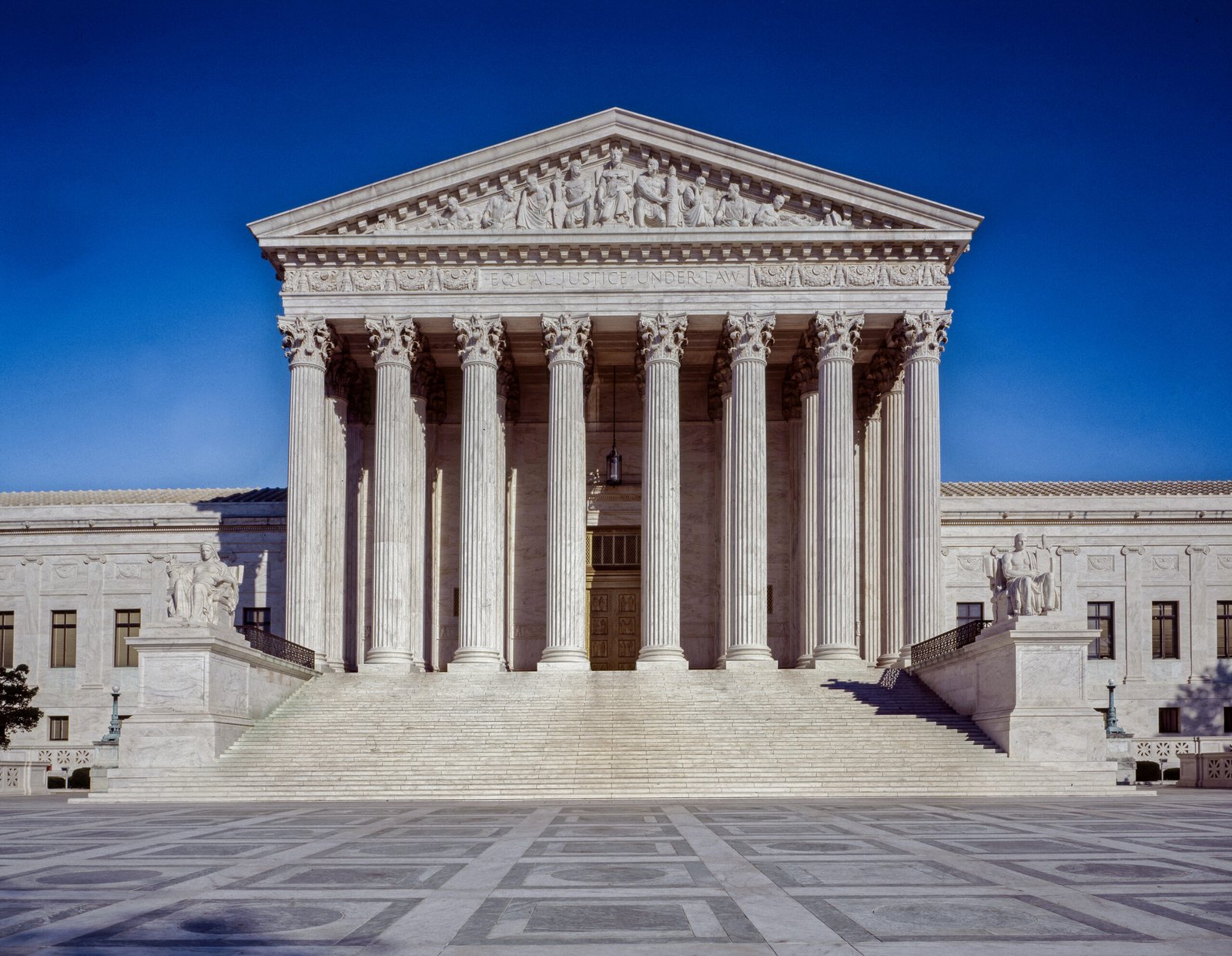
The Yemeni case is small next to what the Supreme Court is about to decide. Earlier this week, the conservative-majority court agreed to consider an administration appeal challenging similar rulings that have blocked the government from ending protections for more than 350,000 people from Haiti and 6,100 from Syria. That case will determine, in practice, how much deference courts owe the executive branch when it decides that a country’s conditions have improved enough to end TPS — and how much weight to give to the reliance interests of hundreds of thousands of people who built lives, jobs and families under the programme. Its outcome will shape not only the Haiti and Syria cases but the legal template for every other TPS termination now moving through the courts.
| Group | People affected | Status |
|---|---|---|
| Yemen | Nearly 3,000 | Termination blocked by Judge Dale Ho on Friday. |
| Haiti | More than 350,000 | Termination blocked by lower courts; Supreme Court to consider administration appeal. |
| Syria | 6,100 | Same Supreme Court case as Haiti. |
| All countries targeted | 13 countries in total | Administration seeking to cancel protections as part of immigration crackdown. |
What happens next
For the Yemeni plaintiffs, the immediate danger has passed: Monday’s termination date will not take effect while the case proceeds. For the hundreds of thousands of Haitian and Syrian TPS holders, the wait continues until the Supreme Court rules — a decision that could either restore the administration’s power to end their protections or lock in the lower courts’ blocks. The pattern of this autumn is now clear. The administration announces a termination; a court blocks it; the administration appeals; and the question climbs, case by case, toward the Supreme Court. Yemen is the latest step on that ladder, not the last.
Sources: Associated Press via Al Jazeera, November 2, 2026; Reuters reporting on the Supreme Court’s agreement to hear the Haiti and Syria TPS appeal.