



A federal judge has refused the Justice Department’s emergency request to set aside as many as 20,000 California mail-in ballots tied to people the government calls “likely” noncitizens, ruling six days before the midterm elections that the request would “wreak havoc and disrupt the election that is already underway.”
The ruling
U.S. District Judge David O. Carter of the Central District of California denied the government’s application for a temporary restraining order in a 26-page order issued on October 28, after a lengthy hearing. “Never before in American history has the federal government, on the eve of an election, sought to coerce a state and local government to abandon their own Constitutional election procedures and bend to the will of the Executive Branch,” Carter wrote.
The judge found that the administration’s request would “create a chilling effect on election workers and voters alike, and discount the votes of United States citizens.” He added: “Once a vote is segregated, lasting harm has occurred.”
How the case began
The Justice Department sued California on October 15, naming Secretary of State Shirley Weber and Los Angeles County Registrar-Recorder Dean Logan. The government argued that California had failed to review a federal list of alleged noncitizens who had been sent mail-in ballots, and that counting ineligible votes dilutes the votes of American citizens. Federal law bars noncitizens from voting in federal elections — a point both sides accept. The dispute is over the list, and over who gets to decide what happens to ballots already in the system.
The Department of Homeland Security had claimed in July that about 190,000 registered California voters could be ineligible foreigners, then gave elections officials a list of 20,000 supposedly “high confidence” matches and just 48 hours to act on it.
Why the judge rejected the list
Carter questioned the reliability of the government’s matching method, which combined purchased voter registration data with federal immigration records and information from LexisNexis. The government narrowed its allegations from nearly 191,000 names to about 20,000 without adequately explaining its methodology or providing error rates, the judge found, and disclosed its reliance on LexisNexis only the night before the hearing.
“Individuals who have met the requirements of California’s voter registration laws must not be deprived of a core right merely because of unfounded allegations stemming from a procedure rife with uncertainty and errors,” Carter wrote. He also found that the requested restrictions would likely violate federal election law, including the National Voter Registration Act’s ban on systematic voter removals within 90 days of a federal election.
The judge said the government already has a lawful remedy — prosecuting individuals suspected of voting illegally — rather than compelling California to overhaul its procedures days before November 3.
An appeal already filed
The Justice Department appealed the same evening the ruling was issued, according to a court filing attached to a statement from First Assistant U.S. Attorney Bill Essayli. The appeal goes to the U.S. 9th Circuit Court of Appeals — the same court that had already sent the case back to Carter once, in a 2-1 ruling last week, on the grounds that the earlier appeal was premature. The two judges in that majority also indicated they believed the department’s arguments for segregating ballots were likely to fail on the merits.
Voting rights groups including the NAACP and LULAC joined the case to defend the ballots. Election law experts have described it as a test of how far the Justice Department might try to go to dispute a state’s ballot-counting process.
What to watch next
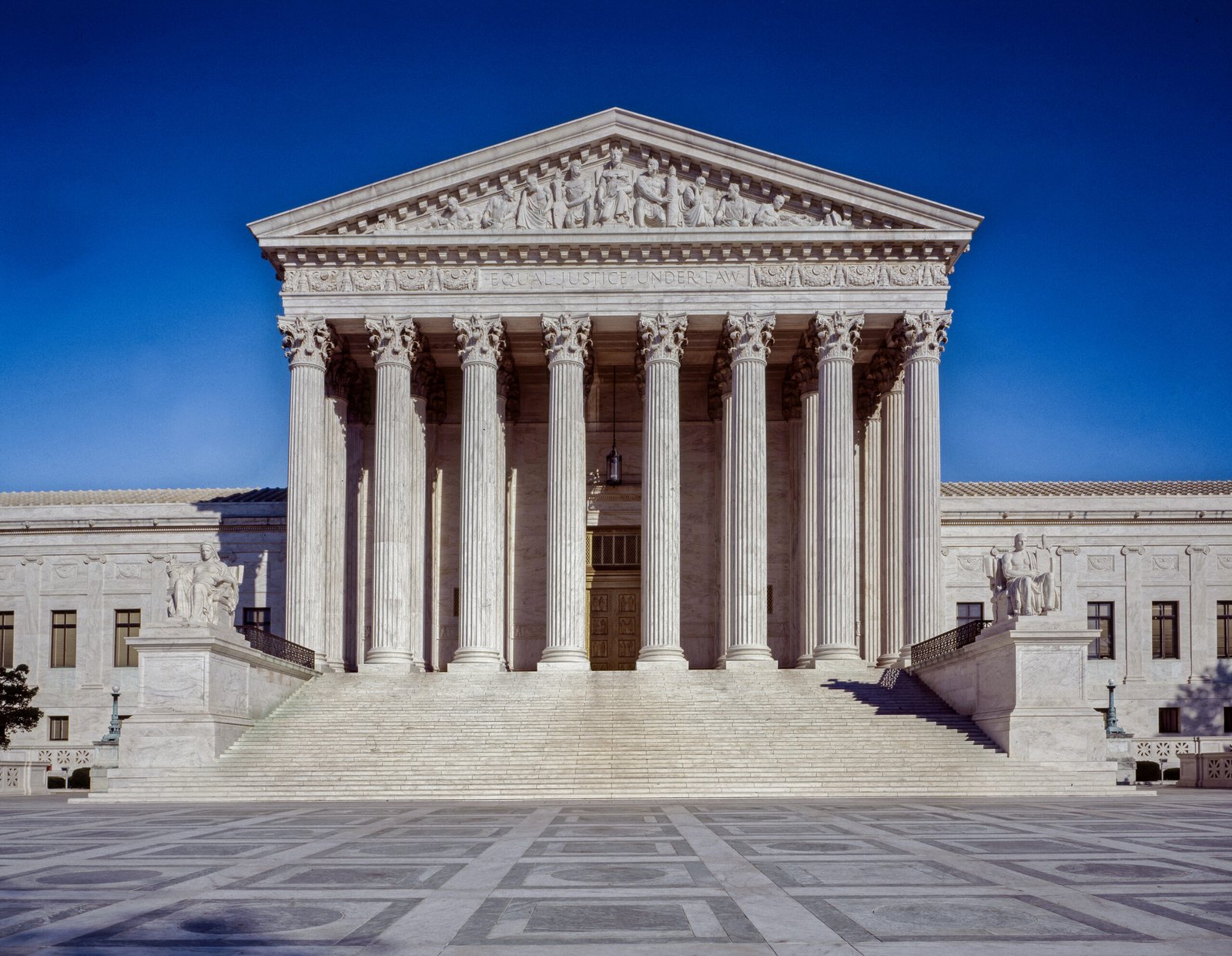
The question now is whether the 9th Circuit — or the Supreme Court — acts before Election Day. If no higher court intervenes, the disputed ballots stay in the normal counting stream.
Sources: CNN; USA Today; Associated Press; U.S. District Court for the Central District of California, United States v. California, No. 2:26-cv-12025 (order of October 28, 2026); U.S. 9th Circuit Court of Appeals.