










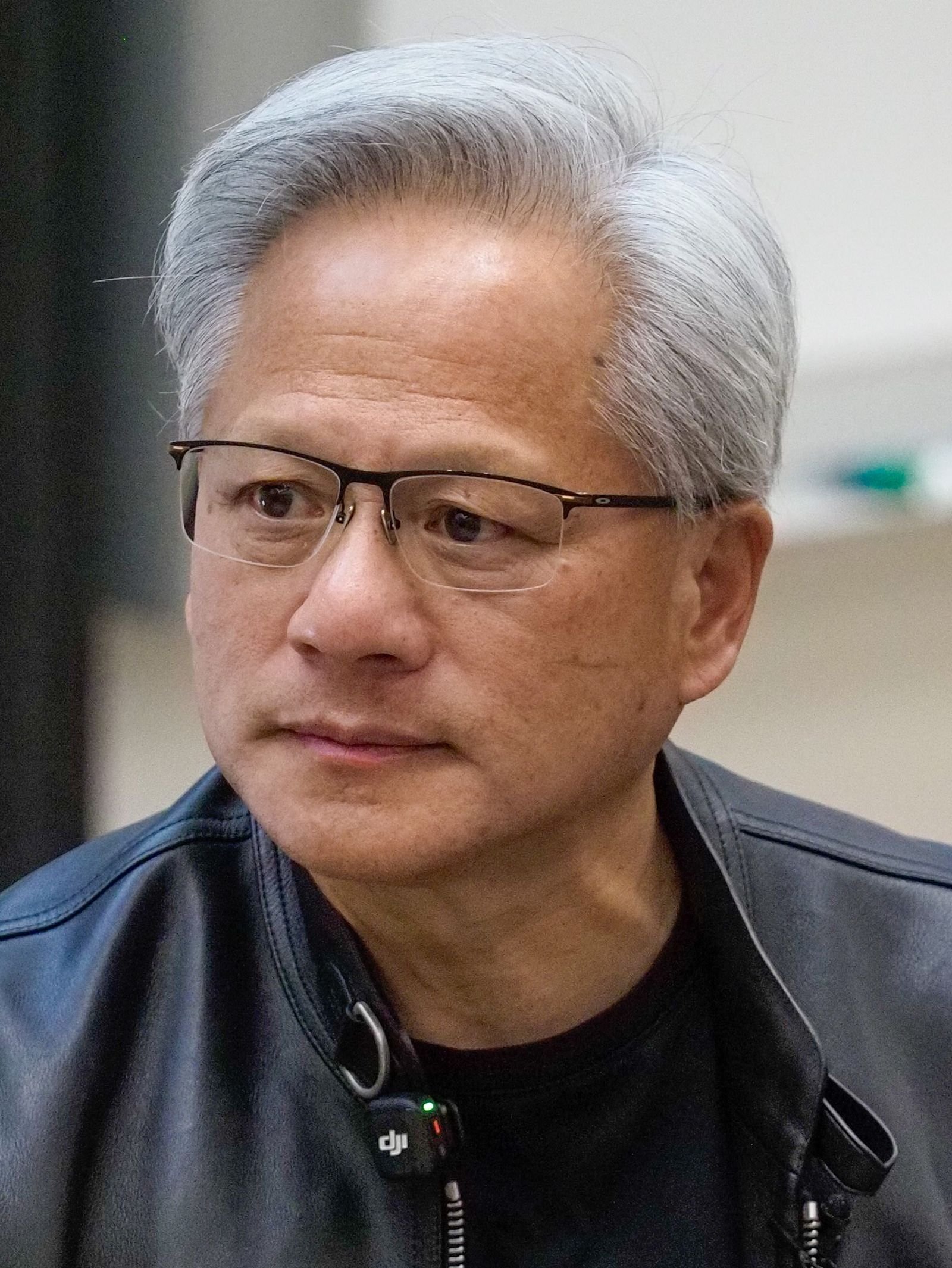
Nvidia reports quarterly earnings after the closing bell on Tuesday, in what may be the most closely watched earnings call in the company’s history. It will be the first since co-founder Jensen Huang resigned as chief executive five days ago, ending 33 years as the only CEO the chipmaker has ever had — and it comes as Washington tightens the screws on the chip exports that built Nvidia’s empire.
Investors got a taste of the damage on Monday. The main U.S. chip index dropped another 5 percent, while the Nasdaq lost more than 2 percent, as markets braced for the results and for the fallout from the scandal that ended Huang’s tenure.
How the scandal unfolded
On Sunday, November 8, Nvidia’s board launched an independent investigation after reports that Huang was targeted by a Chinese spy operation. Huang admitted to an affair with Alice Huang, a former executive at Singapore-based chip company Megaspeed, whom U.S. officials suspect of being a Chinese intelligence asset.
The espionage claim itself is unproven. It rests on reports from anonymous officials, and reporting says the government has found no proof. China has called the allegations groundless, and Nvidia’s board has said it has seen no evidence that company information or U.S. security was compromised. Megaspeed has denied wrongdoing and says it is cooperating with U.S. authorities.
But the revelations kept coming. Further reports described a second affair with a senior company executive who reported to Huang, and Reuters reported a third affair on November 12. A shareholder sued Nvidia and Huang on November 9 in federal court in San Jose, California, accusing them of misleading investors about the relationship and its potential national security consequences.
On Thursday, November 12, Huang stepped down as president, chief executive and a board member, effective immediately. Chief Financial Officer Colette Kress was named interim chief executive, and longtime board member Harvey Jones became the company’s first board chairman.
The export-control fallout
The scandal has already reshaped American chip policy. Washington is tightening restrictions on exports of advanced AI chips from Nvidia and others to China, and to Asian countries such as Malaysia, Thailand and Singapore that are often seen as conduits for sales to China. New licensing requirements are also being placed on overseas data centers that provide access to those chips.
Megaspeed, which reportedly purchased $4.8 billion worth of Nvidia chips over the last two years, was already under U.S. and Singaporean investigation over suspicions it helped Chinese customers obtain restricted Nvidia technology through data centers in Southeast Asia. The Justice Department has since taken over the federal investigation into the company.
Democratic lawmakers are now probing whether the Trump administration approved sales of Nvidia’s advanced H200 chips to China despite being briefed on Huang’s relationship. In a letter to Commerce Secretary Howard Lutnick, Senator Ron Wyden and Representative Richard Neal alleged that Trump was briefed on the relationship in late 2025 but still approved H200 exports to China that December, in exchange for a cut of the sales. The lawmakers have opened an investigation into those approvals.
| Nvidia’s crisis in numbers | |
|---|---|
| 33 years | Huang’s tenure as Nvidia’s only CEO, from its 1993 founding to November 12, 2026 |
| $4.8 billion | Nvidia chips Megaspeed reportedly bought over the last two years |
| 5 percent | Drop in the U.S. chip index on Monday |
| More than 2 percent | Nasdaq’s fall on Monday |
| More than $3 billion | Chinese AI computing projects reliant on Nvidia’s restricted processors, now in doubt |
What earnings will show
Tuesday’s results will be read as a test of whether Nvidia the company can hold together while Nvidia the leadership story falls apart. Investors will be watching guidance for the coming quarters, any update on China revenue, and signs of progress on the search for a permanent successor. There have even been calls from some investors to reinstate Huang, only days after his departure.
For now, the market’s verdict is fear: Intel is down 50 percent since October 6, and Asia’s tech-heavy markets fell further on Tuesday. Tonight’s earnings call will show whether Nvidia can steady the ship, or whether the slide has further to run.
Sources: Reuters; TechCrunch; Associated Press; AAP.



4 thoughts on “Nvidia Reports Earnings Today as Chip Stocks Slide After Huang’s Shock Resignation”