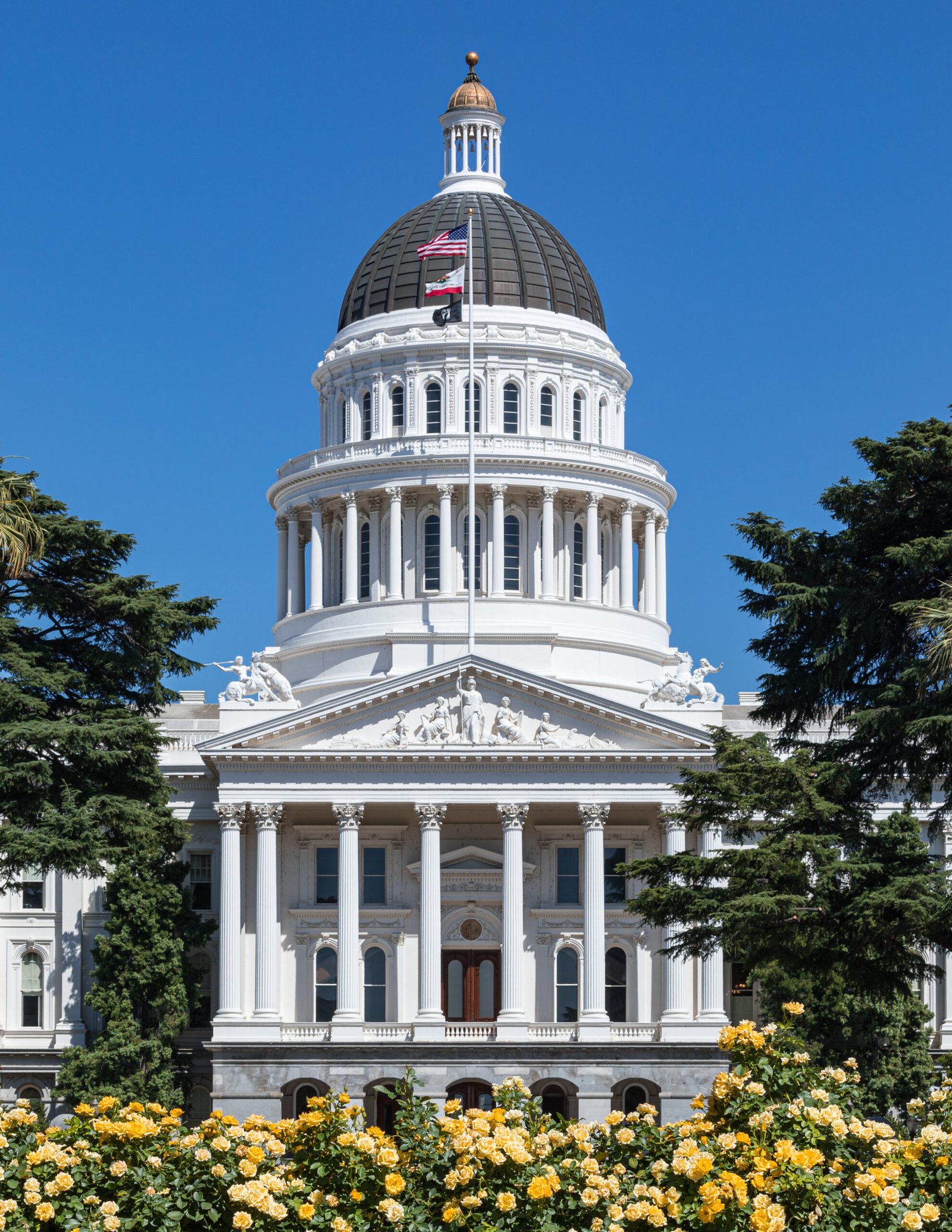
California voters have rejected Proposition 40, the one-time tax on billionaires that became the most expensive ballot fight in the state’s history. The Associated Press called the result on Monday, November 9, six days after voters cast their ballots on November 3.
With about 83 percent of ballots counted, the “no” side led 52.8 percent to 47.2 percent, a margin of about 621,000 votes. The AP judged the lead impossible to overturn. The final count is still to come, and the California Secretary of State certifies the election on December 11.
What the tax would have done
Proposition 40 would have imposed a one-time 5 percent tax on the net worth of California residents worth more than $1 billion as of January 1, 2026. About 200 billionaires live in the state, including some of the richest people in the world.
The measure was designed by the French-American economists Gabriel Zucman and Emmanuel Saez and put on the ballot by the Service Employees International Union-United Healthcare Workers West, the healthcare workers’ union. Supporters said it would raise about $100 billion, most of it to replace federal healthcare funding California expects to lose over the next five years, with 10 percent going to education and food-assistance programs.
The money war
The campaign became a lopsided spending contest. Opponents raised about $378 million, more than ten times the roughly $33.5 million raised by supporters, according to campaign finance figures tallied by CalMatters.
Google co-founder Sergey Brin was the largest single donor against the measure, giving more than $100 million. Former Google chief executive Eric Schmidt and Palantir co-founder Peter Thiel also spent heavily against it.
The measure’s opponents included some of the state’s most powerful Democrats. Governor Gavin Newsom opposed it, warning it would drive wealthy residents and tech founders out of California. His successor, Xavier Becerra, elected governor the same day, also opposed it. The California Democratic Party, by contrast, endorsed the tax.
The vote at a glance
| Measure | Yes | No | Status |
|---|---|---|---|
| Proposition 40: one-time 5% billionaire tax | 47.2% (5,288,379 votes) | 52.8% (5,909,778 votes) | Rejected — AP call, November 9 |
| Proposition 42: ban on retroactive wealth taxes | 51.6% | 48.3% | Leading, not yet called |
Figures are as of Monday evening, November 9, with about 83 percent of ballots counted. They are not final.
A divided map
The result split California’s counties. San Francisco County backed the tax with 56.2 percent of the vote, and Los Angeles County supported it with 55 percent. But Orange County voted no by 59.3 percent, and San Diego County voted no by 54.3 percent, and the measure lost in most counties across the state.
Polling suggested the electorate understood the stakes. About 6 in 10 voters with household incomes of $100,000 or more voted no, and opposition ran near 7 in 10 among voters aged 65 and older, according to AP voter polling.
What happens next
Supporters have not conceded the idea. Leaders of SEIU-UHW have vowed to put another billionaire tax on the ballot in 2028 if the state’s healthcare funding problems are not addressed.
Proposition 42, the rival measure backed by Brin, would ban retroactive taxes and prohibit any new wealth tax in California. It was leading 51.6 percent to 48.3 percent on Monday evening but had not been called. If it passes, it would make a second attempt at a billionaire tax far harder to mount.
The defeat is a setback for supporters who had hoped California would start a global debate about taxing extreme wealth. Instead, the bluest state in America delivered the idea its clearest rejection yet.
Sources: Associated Press; Le Monde; KQED; CalMatters; New York Post; TechCrunch.