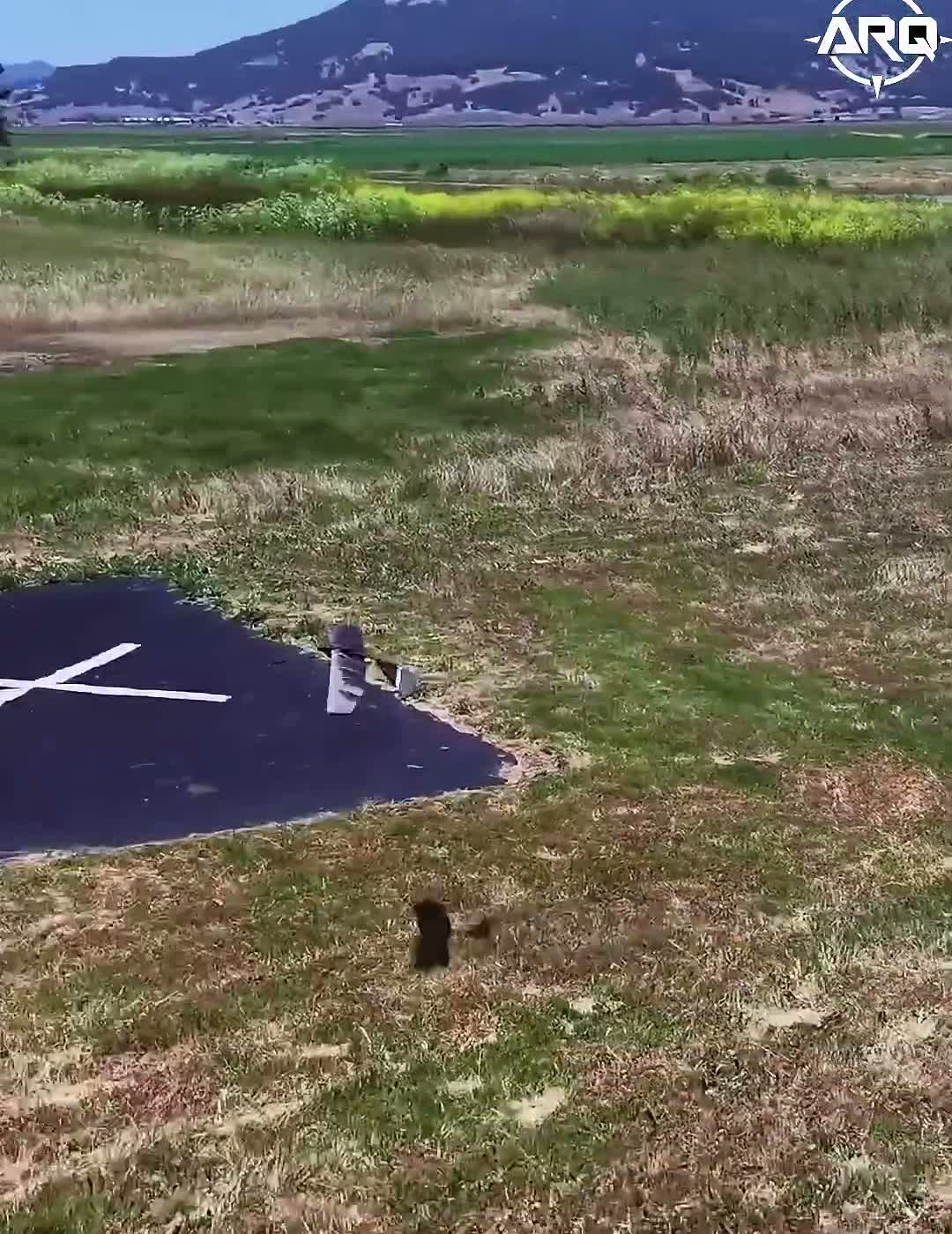
It looks like a crow, it flaps like a crow, and from a distance almost nobody would give it a second look. That is exactly the point.
The bird-like drone in the video above is an ornithopter — a flying machine that stays in the air by flapping its wings instead of spinning propellers. Engineers have chased the idea for more than a century, but only in the last decade have lightweight motors, flexible wing materials and small flight computers made flapping drones practical outside the lab.
Why build a drone that pretends to be a bird?
A normal quadcopter announces itself. It sounds like an angry insect, and its spinning rotors are easy to spot. A flapping drone is different in three ways:
- It blends in. Birds are everywhere, and people — and animals — are trained to ignore them. A drone shaped and moving like a bird draws far less attention.
- It moves like the real thing. Flapping wings can glide, bank and ride rising air currents the way birds do, which can stretch limited battery power further on a good day.
- It is safer around people and wildlife. Soft, flexible wings cause far less damage than rigid spinning blades if something goes wrong.
Where the idea is being used
Research teams in Europe, the United States and China have all demonstrated bird-sized flapping drones, from gull-inspired demonstrators that wowed crowds in the early 2010s to feathered research drones built to study how real birds steer without a vertical tail. Wildlife researchers use bird-like drones to observe animals without scaring them off, and security researchers openly discuss the surveillance potential of a drone that looks like part of the flock.
The catch
Flapping flight is mechanically complicated. Every flight cycle stresses the wing mechanism thousands of times, payloads stay tiny — a small camera is about the limit — and flight times are still measured in minutes rather than hours. For carrying cargo or flying long distances, propellers and fixed wings still win easily.
The bottom line
The crow drone will not replace the quadcopter any time soon. But as the materials and motors keep improving, the line between a bird crossing the sky and a machine doing the same job keeps getting thinner — and that is precisely what makes these odd little aircraft worth watching.
Sources: general reporting on ornithopter research drones.