








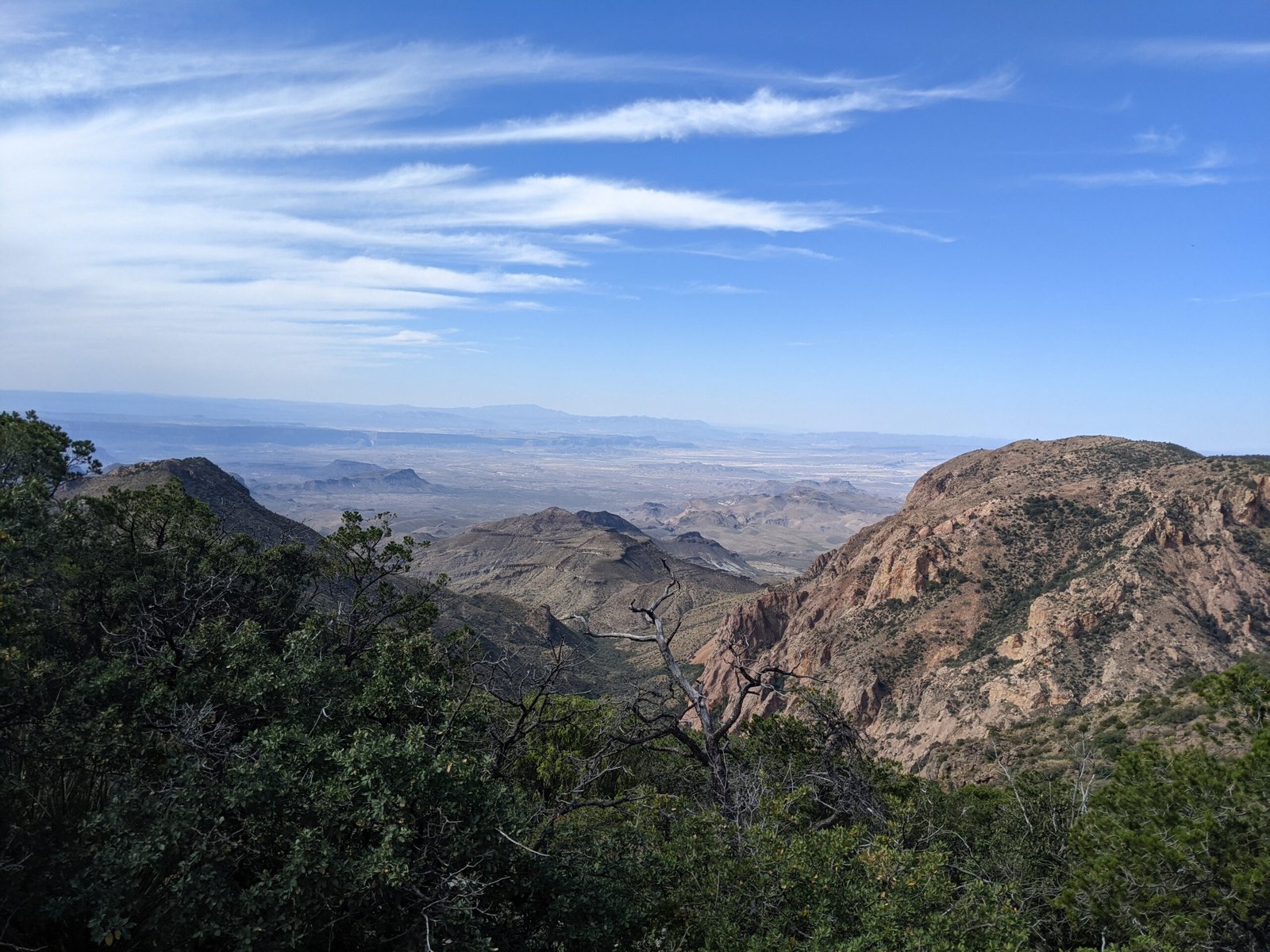
The US Supreme Court on Monday, November 9, gave the Trump administration the green light to proceed with border wall construction in the Big Bend region of West Texas, including Big Bend National Park.
In an unsigned opinion, the court lifted a federal judge’s order that had halted construction of roads and barriers across the region while a lawsuit against the project plays out. Justice Ketanji Brown Jackson was the only justice to publicly dissent.
The court said Congress has expressed a “clear preference for expeditious border construction,” which outweighs “any aesthetic, recreational, and environmental harm” alleged by the challengers.
What is being built
The administration is attempting to speed construction of more than 300 miles of border barrier and roads in the Big Bend sector. The sector spans 517 miles — more than a quarter of the entire US-Mexico border — but the rugged area has the lowest number of apprehensions of any Southwest border sector, according to US District Judge Kathleen Cardone.
The administration has said most of the construction will take place on privately owned land. Big Bend National Park itself would get a 17-mile noncontiguous vehicle barrier system, but not the kind of 30-foot pedestrian barrier planned for other areas.
The fight over construction began in earnest in mid-August, when contractors began bulldozing access roads through the area. The administration paused construction that month after the project drew bipartisan criticism over its potential impact on the park’s landscape and wildlife.
The legal fight
The lawsuit was brought by the Center for Biological Diversity, a Big Bend-area river guide and a group seeking to preserve a historic church in Ruidosa, Texas, which says its fragile adobe structure is threatened by the border construction.
The challengers attacked a series of waivers issued by the Department of Homeland Security to fast-track construction, waiving dozens of environmental regulations. The waivers were issued under a 1996 federal law aimed at facilitating barrier construction in areas of high illegal crossings. Homeland Security Secretary Markwayne Mullin and his predecessor Kristi Noem, Trump appointees who issued the waivers between February and July, found the region to be an “area of high illegal entry.”
In October, Judge Cardone in El Paso blocked the project, ruling that the law limits waivers to areas of high illegal entry and that the Big Bend sector did not qualify. The Supreme Court disagreed for now, saying the law at issue likely precludes judicial review of the claims in the lawsuit.
The numbers that define the case
| Fact | Figure |
|---|---|
| Length of the Big Bend border sector | 517 miles |
| Barriers and roads the administration plans | More than 300 miles |
| Vehicle barrier planned inside the national park | 17 miles, noncontiguous |
| Justices publicly dissenting | 1 (Justice Ketanji Brown Jackson) |
| Court’s conservative majority | 6-3 |
Reaction
Environmental groups condemned the ruling. “The Trump administration and its contractors are hellbent on destroying one of America’s greatest national parks, and the Supreme Court just gave them the green light,” said Laiken Jordahl, a national public lands advocate at the Center for Biological Diversity. The Sierra Club said the decision threatens one of the nation’s most treasured natural landscapes, including Big Bend Ranch State Park, critical wildlife habitat and culturally significant sites along the Rio Grande.
Opposition has not been limited to environmentalists. Outgoing Republican Senator John Cornyn wrote in a column for the San Antonio Express-News published on November 9 that a border wall is not the best solution for portions of this environment. The area’s new member of the US House of Representatives, Representative-elect Katy Padilla Stout, a Democrat, also opposes the project.
Border Patrol officials have previously said they are not building a wall through the area but are clearing the way for roads where they can install surveillance equipment and patrol.
What happens next
The underlying legal challenge remains ongoing, and the Supreme Court’s decision only lifts the temporary halt while the case is litigated. But with the injunction gone, construction can resume in the meantime — and critics warn that bulldozing through protected wilderness could cause permanent damage before the courts reach a final answer.
Sources: Reuters; USA Today; CNN; El Paso Times; Sierra Club; Center for Biological Diversity.