





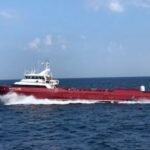
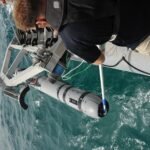

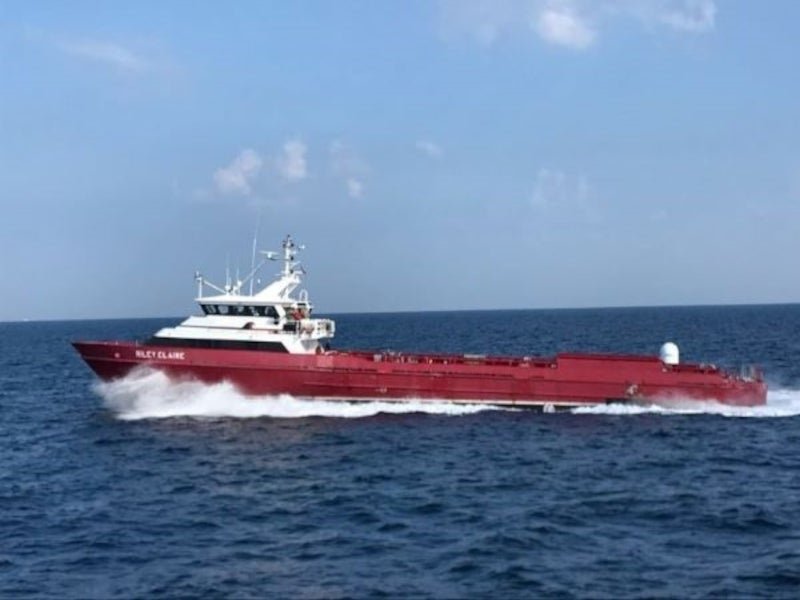
Naval warfare used to be decided by the biggest ship with the biggest guns. The footage of the BlackSea Comet shows the new math: a small, fast, uncrewed surface vessel (USV) skimming across the water, hunting fast attack boats — with no crew aboard to lose.
What a USV actually is
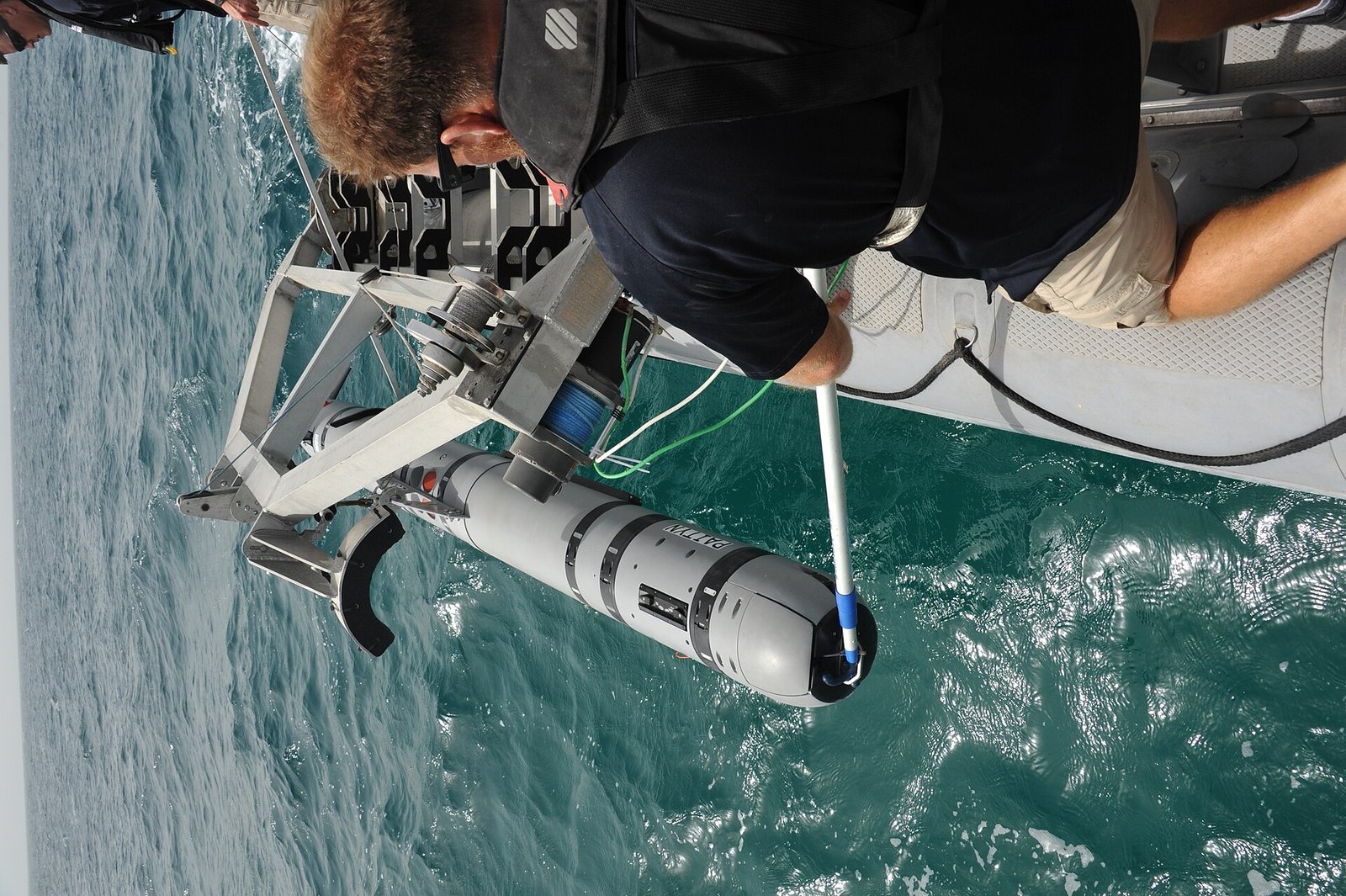
An unmanned surface vessel is a boat with the crew removed. It is driven remotely or autonomously, carries sensors, cameras and sometimes weapons or explosives, and is built to be cheap, fast and expendable. The Black Sea war made them famous: Ukrainian USVs struck Russian warships and infrastructure, proving that a vessel costing a fraction of a frigate could threaten one.
The Comet-type craft in the footage fits the same mold — a low-profile, high-speed hull designed to close with fast-moving targets like the small attack boats used by Iran’s naval forces in the Gulf. Speed boats have long been Iran’s asymmetric answer to larger navies: swarm tactics, dozens of small craft, hard to track. USVs are the counter-swarm: machines that can match that speed and aggression without putting sailors in the line of fire.
Why this changes the sea battle
Three advantages explain the rush to USVs. Cost: losing a robot boat is a budget line, not a funeral. Risk: a USV can enter mined, contested or heavily defended waters that no captain would take a crewed ship into. Numbers: navies can field swarms of USVs that saturate defenses, forcing an enemy to spend expensive missiles on cheap targets.
The limits are real, too. USVs depend on communications links that can be jammed, their autonomy is still narrow, and arming them raises legal and escalation questions no navy has fully answered. But the direction is clear: the Black Sea and the Gulf are both proving grounds for a naval future in which the most dangerous boat on the water may be the one with nobody aboard.
Sources: U.S. Navy public descriptions of unmanned surface vessel programs (including Project Overlord); open-source reporting on Ukrainian USV operations in the Black Sea and Iranian fast-attack-boat tactics in the Gulf.