







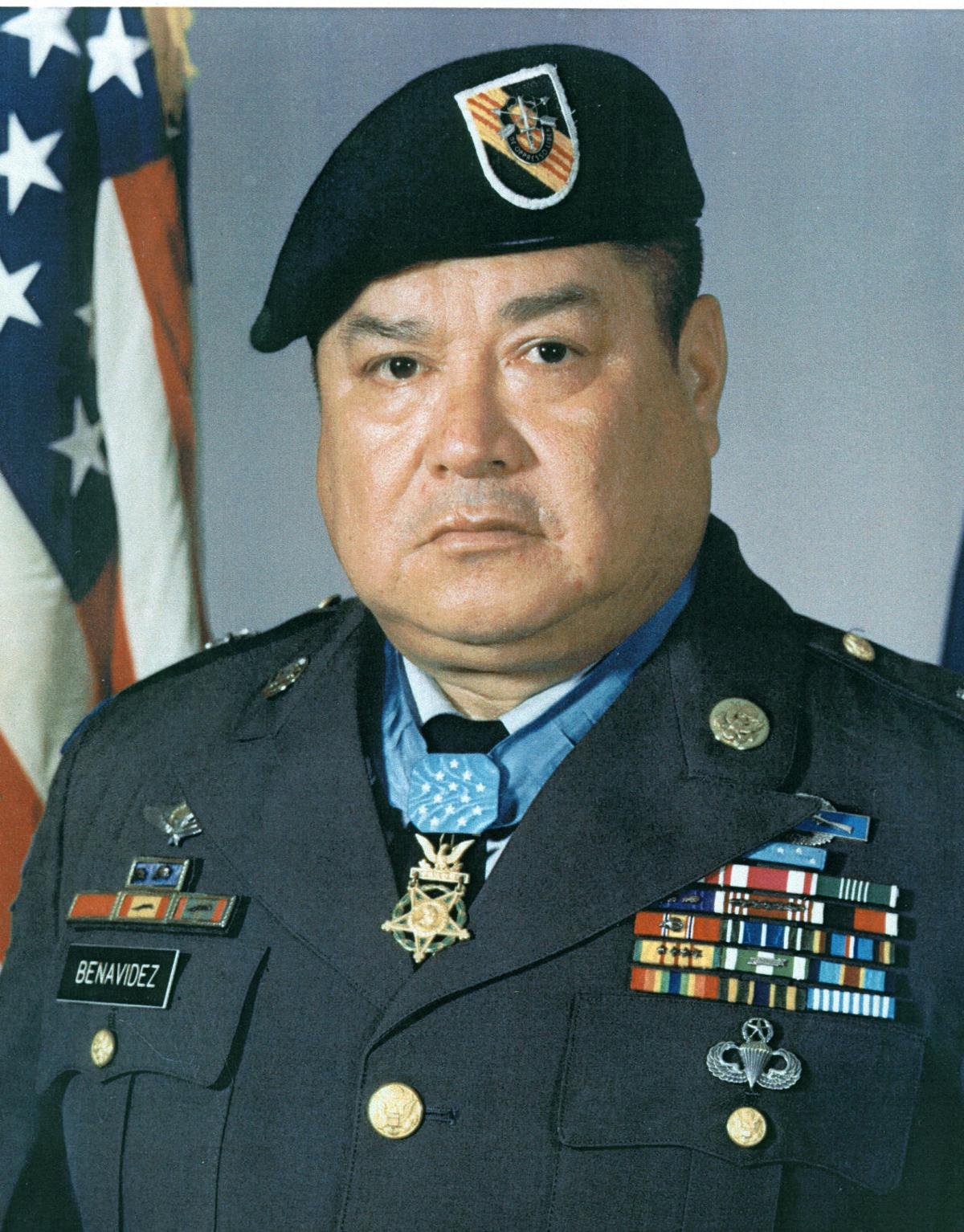
They zipped him into a body bag. He wasn’t dead.
On May 2, 1968, near Loc Ninh in Vietnam, a 12-man Green Beret team was surrounded by an entire North Vietnamese battalion. At the base, hearing their last call for help, Staff Sergeant Roy Benavidez grabbed a knife and a medical bag — nothing else — and jumped onto a helicopter flying straight into the fire.
Six hours that would not end
For six hours, Benavidez dragged wounded men to the evacuation helicopters, called in airstrikes, and fought hand to hand. He was shot, bayonetted and torn by shrapnel — 37 wounds in total — and he never stopped. Eight men lived because of him. When the fighting finally ended, medics believed he was dead and zipped him into a body bag. Unable to move or speak, Benavidez did the only thing he still could: he spat in the doctor’s face.
Thirteen years to the Medal of Honor
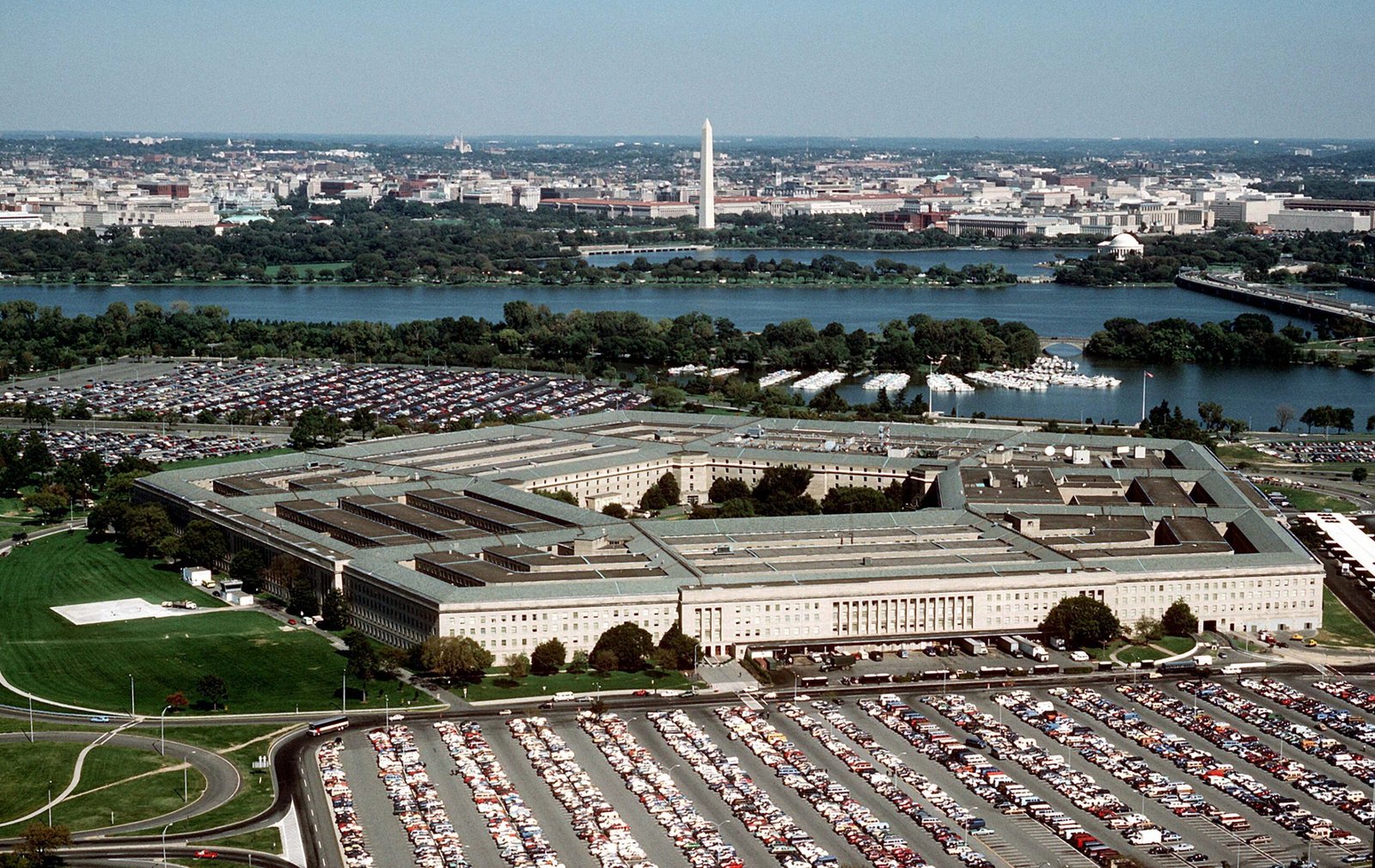
Benavidez’s Medal of Honor took thirteen years to arrive, in part because there was no living witness who could give a complete account of what he had done. In 1981, President Ronald Reagan hung the medal around his neck at the Pentagon, in a ceremony that finally put the official record straight. The citation credits him with saving the lives of at least eight men, and his actions remain among the most extraordinary in the history of the medal.
His story endures for a simple reason. Benavidez was not ordered into that helicopter — he volunteered, armed with a knife and a bag of bandages, into a battle everyone else believed was already lost. He came out of it in a body bag, alive, because he refused to stop.
Sources: U.S. Army Center of Military History, Medal of Honor citation for Roy P. Benavidez; National Museum of the U.S. Army biography; President Reagan’s 1981 Medal of Honor ceremony remarks.