





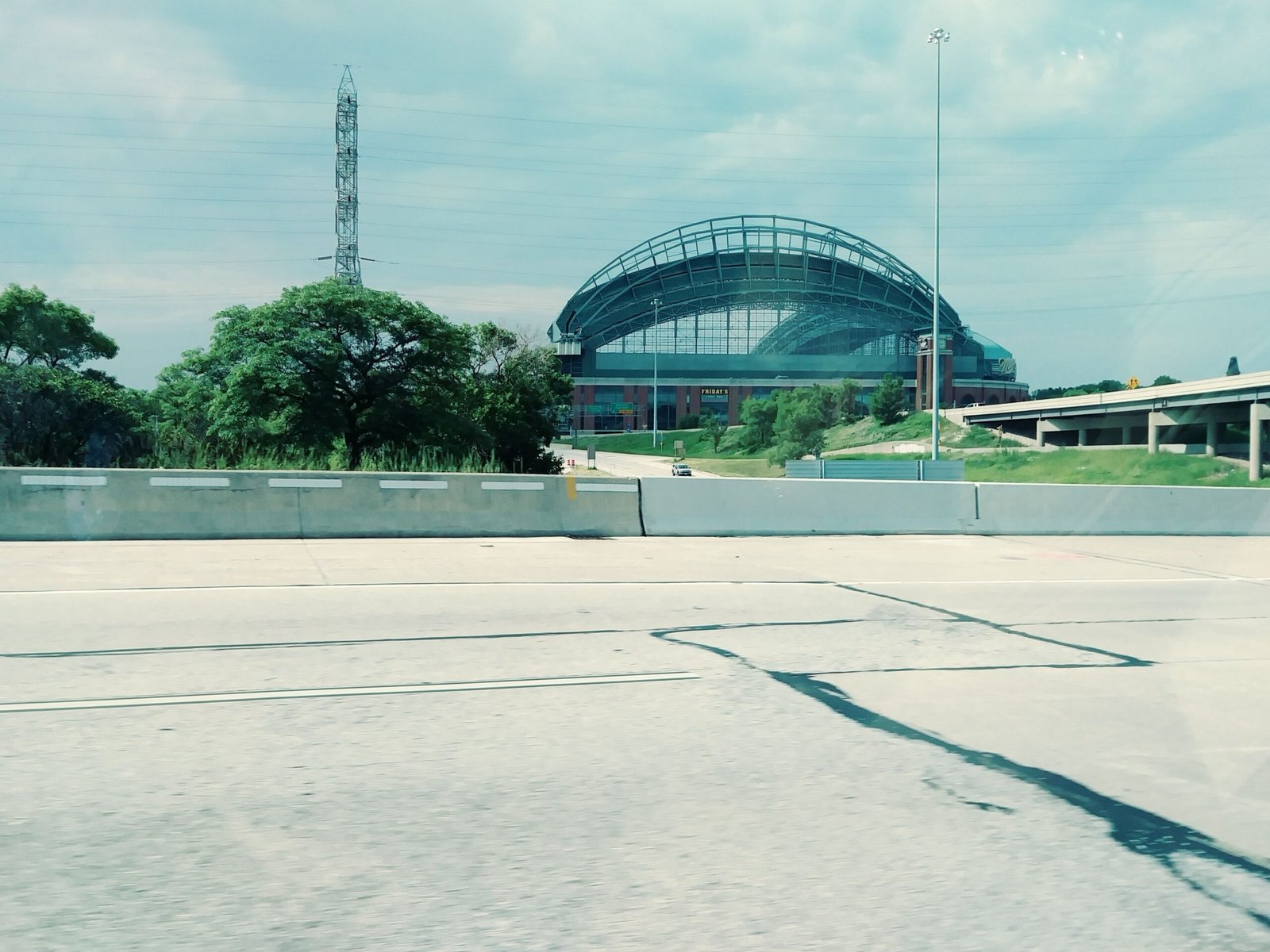
The Milwaukee Brewers had already started shaking hands. The fireworks were going off at American Family Field after what looked like a game-saving, game-ending double play in the ninth inning of Game 1 of the World Series on Friday night.
Then Tampa Bay challenged. Replay ruled that Junior Caminero was actually safe at second base, a run scored, and suddenly the Rays had the tying run on third and the winning run on second with life. But closer Trevor Megill struck out Jonny DeLuca in the smoke left behind by the premature fireworks to clinch Milwaukee’s 3-2 win over the Tampa Bay Rays.
A record first pitch sets the tone
Jacob Misiorowski set the tone before most fans had settled in. His first pitch of the 2026 World Series, a four-seam fastball to Yandy Diaz, came in at 103.5 miles per hour — the fastest pitch in World Series history, according to Reuters.
The 6-foot-7 right-hander went on to allow one run on four hits and a walk in five innings, striking out three to earn the win in Milwaukee’s 3-2 victory. It was his longest postseason start of the year: in his first two starts this postseason, high pitch counts had kept him from finishing five innings.
Misiorowski threw 37 pitches at 100 mph or faster out of 78, and his four-seamer averaged 101.2 mph, according to StatCast data reported by USA Today. He went 16-5 during the regular season and led the majors in ERA (1.80) and strikeouts (252).
“Not perfect, good enough to get a win,” Misiorowski said after the game.
Milwaukee strikes first — twice
Milwaukee, whose only other World Series appearance was a seven-game loss in 1982, scored two runs in the first inning off Rays starter Nick Martinez. Jackson Chourio singled on the first pitch and scored on Christian Yelich’s one-out triple, which glanced off DeLuca’s glove on a diving catch attempt in right-center. William Contreras followed with an RBI single to left.
The Rays answered in the fourth when Caminero ripped a double and Jonathan Aranda scored on a Liam Hicks groundout to cut the deficit to 2-1. Milwaukee added crucial insurance in the seventh, when Chourio’s RBI single scored Cooper Pratt to make it 3-1.
Contreras was central throughout: he drove in a run, threw out two runners attempting to steal, and won two automated ball-strike challenges.
The ninth inning that would not end
Megill entered to start the ninth and conceded consecutive one-out singles to Aranda and Chandler Simpson. Pinch runner Jorge Mateo and Simpson executed a double steal, and Caminero walked to load the bases.
Hicks appeared to bounce into a game-ending double play, and the celebrations began — until the replay review showed that shortstop Cooper Pratt had been pulled off the bag at second on the throw by second baseman Brice Turang. Hicks was out on the fielder’s choice as Mateo scored to make it 3-2, leaving runners on second and third.
Megill then struck out DeLuca for his fifth postseason save in five opportunities. Abner Uribe and Aaron Ashby had combined for three scoreless innings before him, striking out five.
What it means for the series
Game 1 winners have gone on to win the World Series 77 times in 121 tries, and the Rays are now 0-3 in World Series openers. Game 2 is Saturday night at American Family Field, with Drew Rasmussen — a former Brewers draft pick who won 16 games with a 2.67 ERA this season — starting for the Rays against Logan Henderson for Milwaukee.
For Milwaukee, a city waiting since 1982 for a return to this stage, Game 1 delivered everything a World Series opener should: a record fastball, timely hitting, a bullpen that held, and a ninth inning nobody in the ballpark will forget — even if the fireworks went off a little early.
Sources: Reuters, “Brewers survive harrowing 9th to edge Rays in World Series opener” (October 24, 2026); USA Today World Series Game 1 coverage and StatCast data (October 23–24, 2026).