
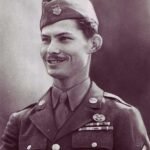



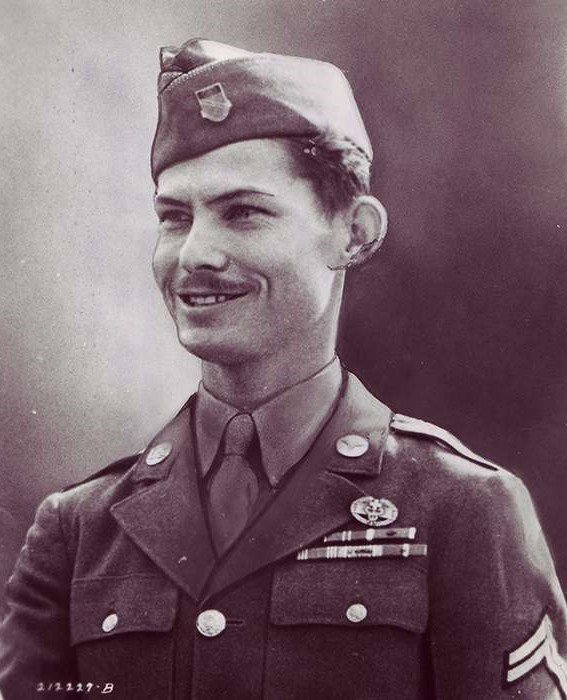
Desmond Doss volunteered for the U.S. Army with a condition nobody around him could understand: as a Seventh-day Adventist and a conscientious objector, he would serve, he would go into combat — but he would never touch a weapon. His fellow soldiers mocked him, threw things at him, and called him a coward. His officers tried to have him discharged. He stayed.
One night on Hacksaw Ridge
In May 1945, on Okinawa, Doss’s battalion stormed a 400-foot escarpment known as Hacksaw Ridge and was cut to pieces at the top. The order came to retreat. Every man climbed down — every man except Doss. Alone on the ridge under enemy fire, he crawled from wounded man to wounded man, dragged each one to the edge, rigged a rope litter, and lowered him down the cliff. One by one. All night. By the time he finished, an estimated 75 wounded soldiers owed him their lives. After each man, witnesses recalled, he prayed the same prayer: “Lord, help me get one more.”
The first conscientious objector to receive the Medal of Honor
Months later, President Harry Truman hung the Medal of Honor around Doss’s neck — making him the first conscientious objector in American history to receive the nation’s highest military award. Truman reportedly told him he would rather have that medal than be President.
Doss never fired a shot, never carried a weapon, and never stopped insisting that his job was simply different: while others took life, he would save it. The men who once called him a coward spent the rest of their lives calling him something else — the reason they came home.
Sources: U.S. Army Center of Military History, Medal of Honor citation for Desmond T. Doss; National Museum of the U.S. Army biography.