


It is the call no pilot wants to hear: friendly troops surrounded, taking fire from every direction, and the aircraft overhead running out of weapons. In Afghanistan, that was the situation facing a team of U.S. Army Rangers clearing a town when Taliban fighters opened up from all sides — and the airmen above them refused to leave.
The Angel of Death arrives — then runs dry
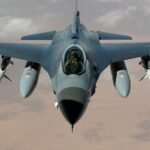
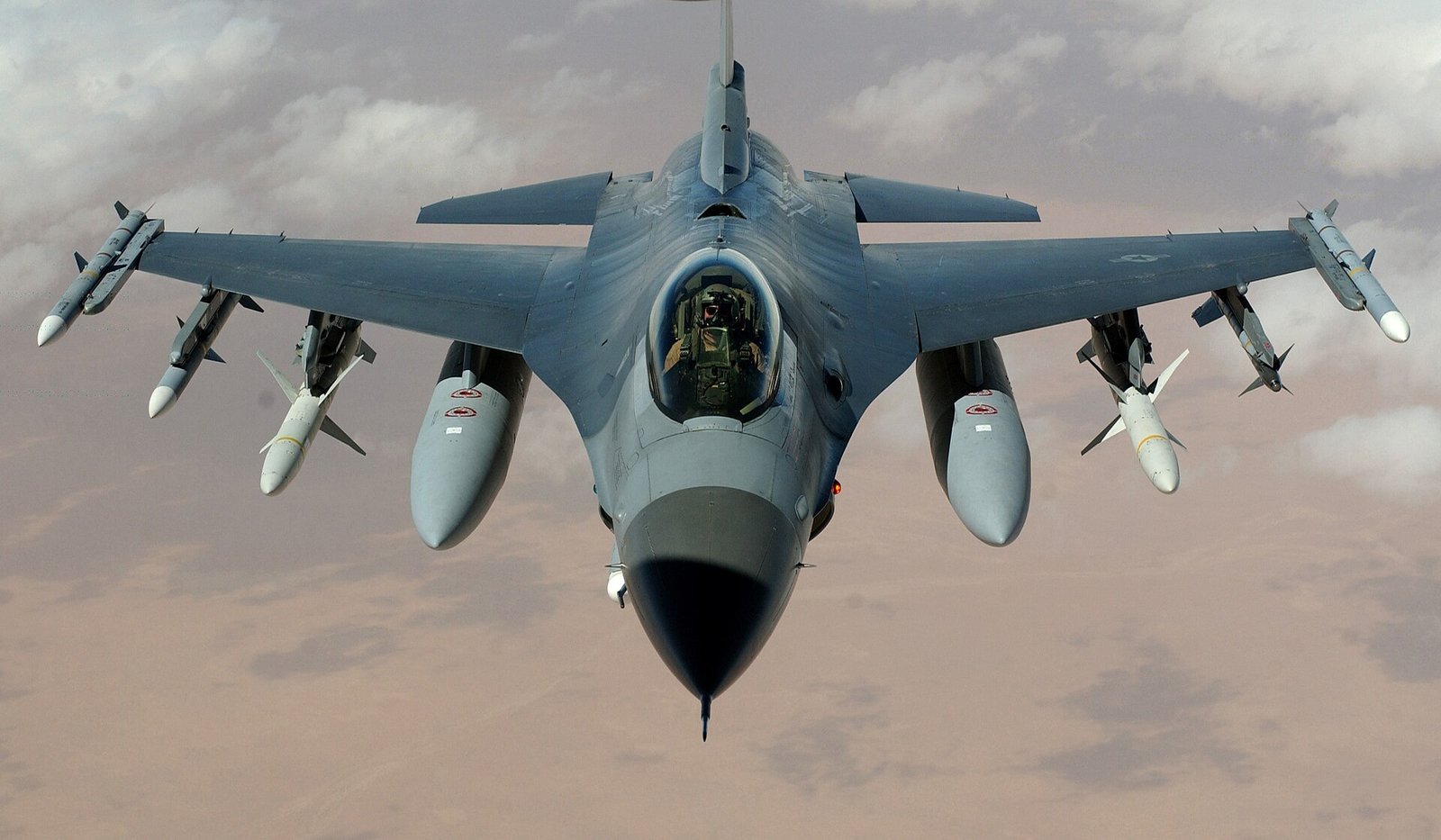
First on scene was an AC-130 gunship, the aircraft ground troops nicknamed the “Angel of Death,” flanked by two F-16 fighters. The gunship’s cannons and the jets’ bombs flattened buildings and shredded enemy positions around the pinned-down Rangers. But the fight outlasted the ammunition. Even after expending every bomb and every round, the Rangers on the ground were still in trouble — and the AC-130 was completely dry, a rarity for an aircraft built to loiter and fire for hours.
A 2,000-pound bomb dropped on trust
That was when two F-16 pilots standing by at a nearby base — Craig Andrle and Adam — entered the fight. Andrle released a 2,000-pound JDAM on a Taliban stronghold “blind,” trusting entirely on the coordinates called in by the Ranger JTAC on the ground — a bomb dropped not on a target the pilot could see, but on the word of a man fighting for his life. The pair pressed on, strafing with their 20mm cannons until their jets were empty too.
Out of weapons, Andrle refueled, climbed into his squadron’s flagship tiger-striped F-16 — fully loaded — and launched again. By the end, four F-16s and an AC-130 had shot themselves completely dry over one surrounded Ranger team. Every one of those Rangers’ rescuers had the same choice: declare Winchester, go home, and let the record show they did their part. None of them took it.
Why airmen talk about this fight
Close air support is measured in trust. The JTAC trusts the pilot to drop on his coordinates; the pilot trusts the JTAC’s eyes with a 2,000-pound bomb; the men on the ground trust that the noise above them will not stop until they are safe. That day over Afghanistan, as the account is told by those who share it, the Angel of Death had wingmen — and the Rangers had a sky that would not quit.
Sources: The pilots’ account as widely shared by U.S. veteran and military-aviation outlets; U.S. Air Force public fact files on the AC-130 gunship and F-16 Fighting Falcon.