










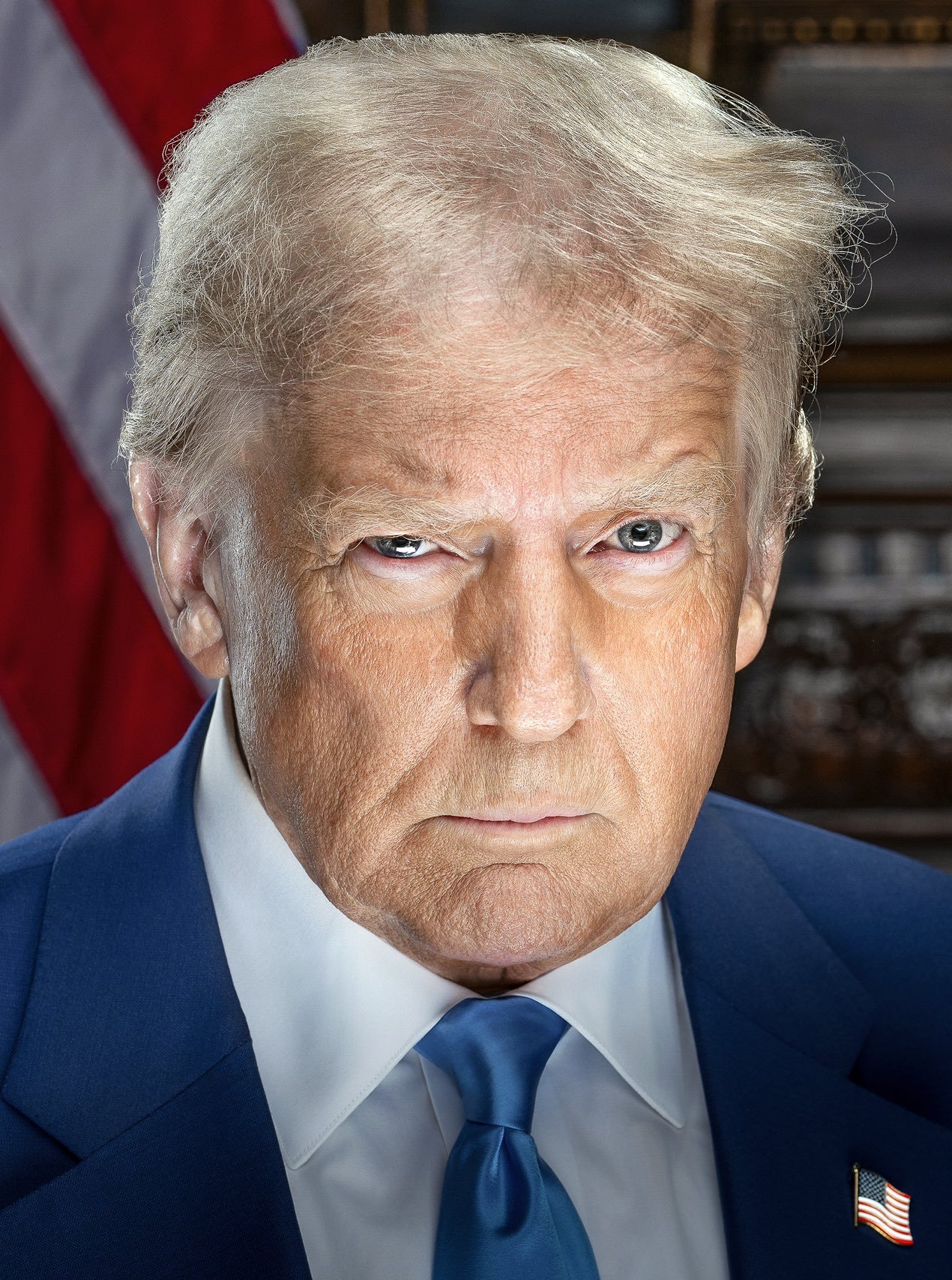
President Donald Trump is in the middle of a near-daily rally blitz ahead of the November 3 midterm elections, travelling largely to friendly territory to urge Republican voters to turn out and protect the party’s control of Congress. But Reuters’ review of his recent appearances finds his economic pitch colliding with the everyday experience of many of the voters he is trying to reach.
The rallies themselves follow a familiar pattern. In speeches lasting around 90 minutes, Trump defends his economic record, points to strong headline numbers, boasts about crowd sizes and mocks protesters. The message is that the economy is performing well and that his policies deserve the credit.
That argument starts from an admission. At the start of October, Trump said he had done a “bad job” explaining his economic record. The rallies are, in part, an attempt to fix that, with the president pointing to what he describes as a record-low poverty rate, low unemployment, record highs in the stock market and cheaper prices for some food items.
The gap between the pitch and the pump
The difficulty is that voters are not judging the economy by stock market records. They are judging it at the gas pump and the grocery store, and there the picture looks very different.
Consumer prices accelerated in September as gasoline prices surged, Reuters reports. The nationwide average price of gasoline is $4.27 a gallon, nearly 40 percent higher than a year ago, according to AAA. Trump has repeatedly promised that gas prices will fall once the war with Iran ends, but for now that promise is competing with the price drivers see every day.
The disconnect was on display outside a rally in rural Kansas. Chester Daniel, a 90-year-old military veteran and Trump supporter, told Reuters the economy still has “a long way to go” to help working people. “Prices? Too high! We will never go back to what they were when this all started, but they need to come way down,” he said. “I don’t know how these young people make a living for their family.”
Why this election is a referendum on costs
Midterm elections are traditionally read as a verdict on the sitting president, and this year the verdict is being shaped above all by affordability. A Reuters/Ipsos poll found that nearly 80 percent of Americans blame Trump policies for higher costs, including energy costs.
That puts Republican candidates in an awkward position. They are defending a record their own party leader is still trying to explain, in an election where voters say the cost of living is the issue that matters most to them. Some Republican candidates have already begun distancing themselves from Trump on issues including the Middle East conflict and trade, Reuters reports.
The White House, for its part, has argued that temporary market disruption from the Iran conflict should be weighed against what it calls a stronger overall economic record, and against what it describes as a far worse Democratic alternative.
What to watch next
The rallies will continue into the final days of the campaign, and their test is simple: whether a message built around national statistics can overcome household budgets. Voters in competitive states will decide that question on November 3, and the answer will determine control of Congress for the final two years of Trump’s term.
Sources: Reuters, “Five takeaways from Trump’s midterm campaign rallies” (October 24, 2026); Reuters, “Trump foreign policy hits voters in the pocketbook, imperiling Republicans in midterms” (October 24, 2026); AAA gasoline price data as reported by Reuters.