







Iran and Qatari mediators have drafted a plan that could fully reopen the Strait of Hormuz within two days, Iranian Foreign Minister Abbas Araghchi said on Saturday — the clearest diplomatic opening yet in a war that has choked one of the world’s most important energy routes since February.
Under the proposal discussed in Doha, the United States would take steps on the first day and commercial shipping would resume on the second, shortening an earlier seven-day reopening plan Tehran put forward in September. Whether it happens, Araghchi stressed, depends entirely on Washington meeting Iran’s conditions. And President Donald Trump, speaking at his Mar-a-Lago club on Saturday night, made clear he feels no pressure to hurry.
The two-day plan
Araghchi told Al Jazeera that Iran and Qatar had reached a plan to reopen the strait in two days if Washington cooperates, after an Iranian delegation — including one of his aides — traveled to Doha to meet Qatari mediators. He called a U.S. offer of dialogue a positive step, but said Tehran has no immediate plans to meet directly with American officials, and that Qatari and Pakistani mediators were continuing consultations on Iran’s conditions.
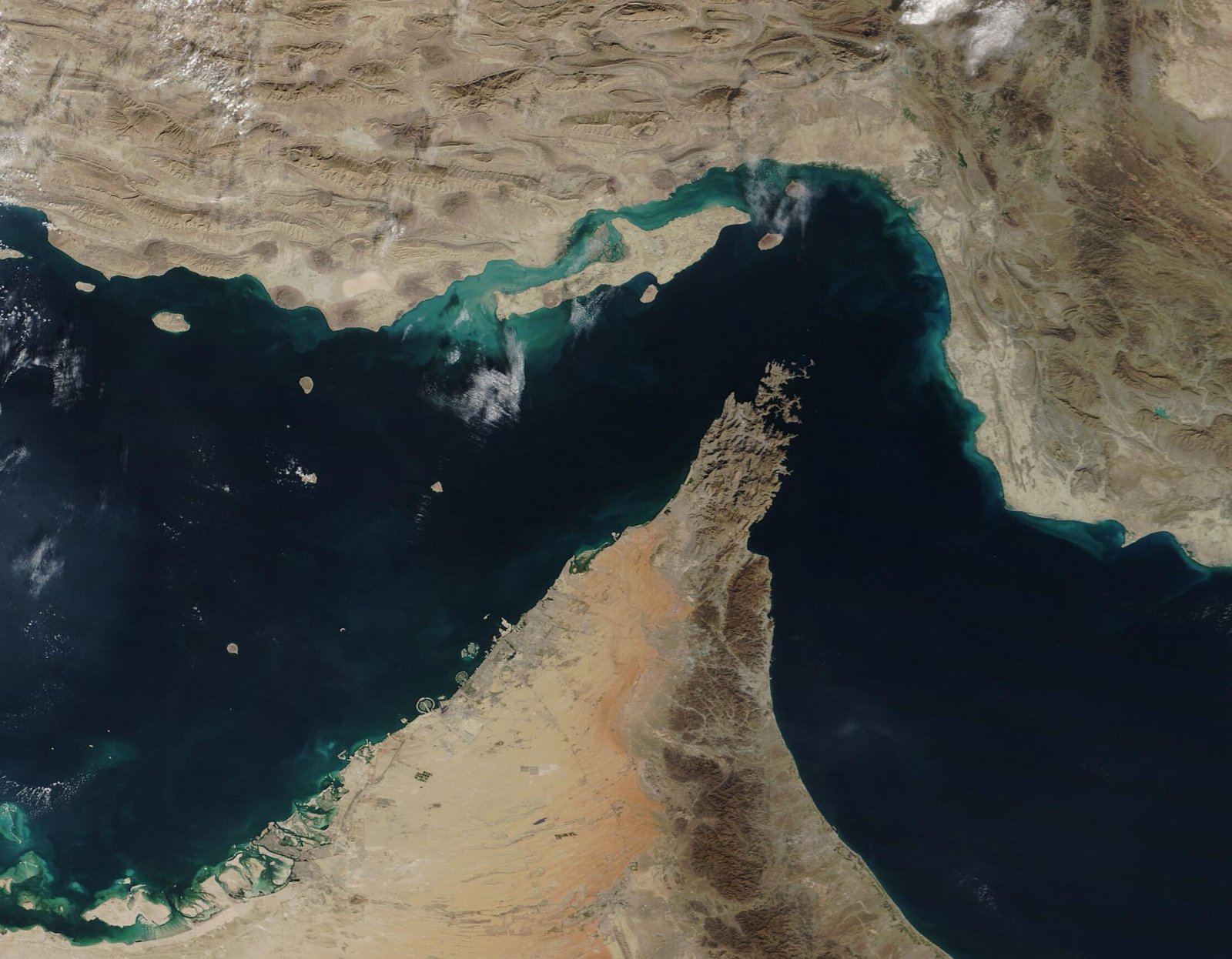
The strait, the narrow waterway between Iran and Oman through which roughly a fifth of the world’s seaborne oil passes, has been effectively closed since the U.S.-Israeli war on Iran began in late February. Attacks on shipping near it have grown this month, and Gulf states have been pushing for an agreement to fully reopen it.
What Tehran wants
Araghchi laid out Iran’s conditions: the lifting of recently imposed U.S. sanctions, the release of frozen Iranian funds, the reinstatement of oil waivers granted in June, a reduction in the U.S. military presence in the region, recognition of a shipping route in the strait designated by Iran and Oman, and an end to the conflict on all fronts, including Israel’s attacks on Lebanon.
Iran’s security chief, Mohsen Rezaei, said a letter from Vice President JD Vance signaled a more conciliatory American tone — but insisted Tehran would not reopen Hormuz before its conditions were met. Supreme Leader Mojtaba Khamenei, meanwhile, ordered commanders to prepare an immediate response to any attack, without geographical restrictions, and Araghchi said Iran’s military was more prepared than ever for renewed war.
Washington’s mixed signals
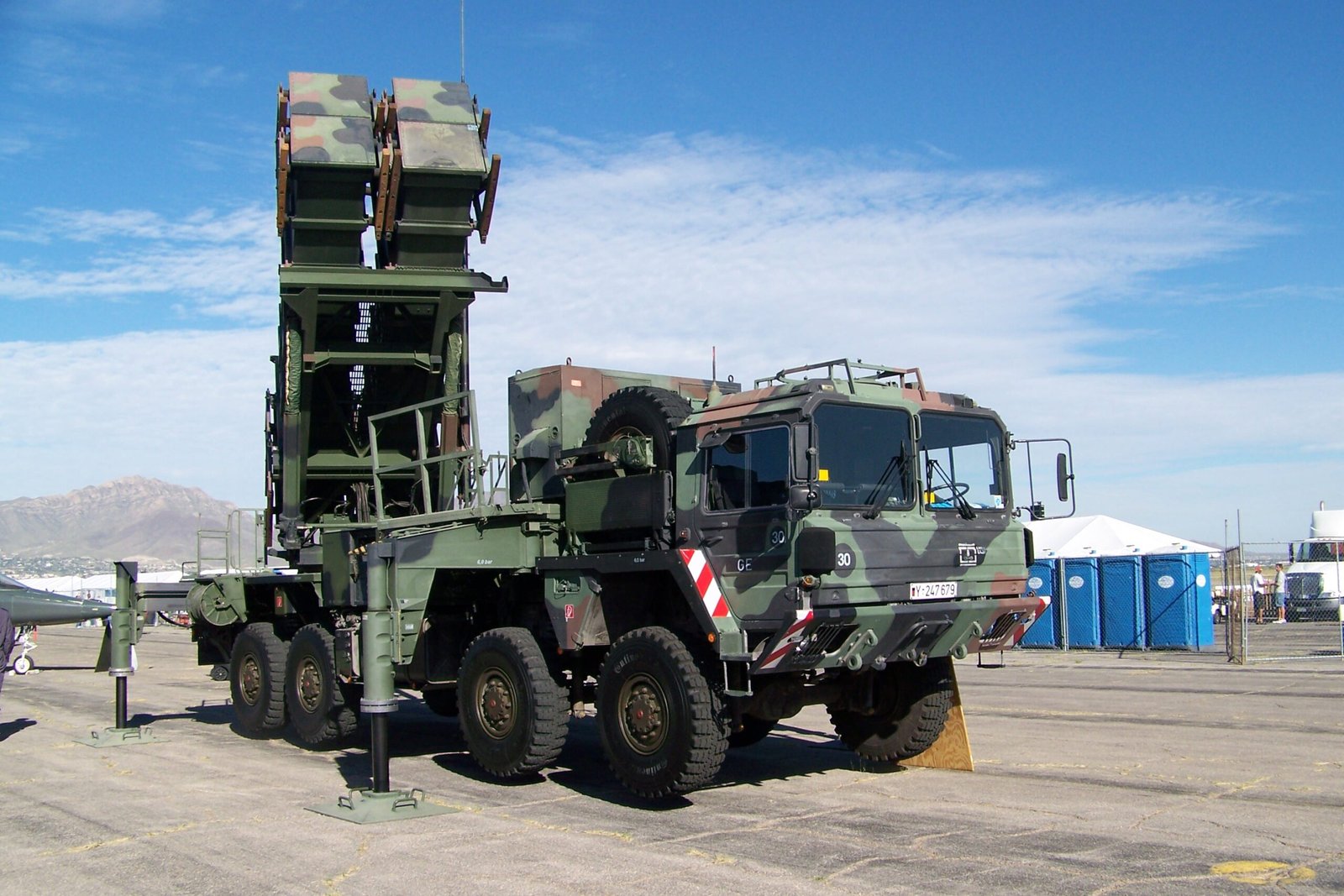
Trump’s own remarks cut both ways. He said negotiations were “going fine” and that Iran wanted a deal, but added that the United States was “not in that much of a hurry” because Iran’s navy, air force and anti-aircraft defenses had been knocked out. He said the U.S. could strike Iran’s remaining nuclear facilities in “ten minutes,” singling out a suspected underground complex known as Pickaxe Mountain, and said American forces still had several Iranian targets to “take care of.”
Secretary of State Marco Rubio struck a more cautious note, saying Trump had not decided whether to launch fresh strikes and that a diplomatic settlement remained possible. U.S. officials have previously warned Gulf allies to prepare for a possible short, high-intensity round of conflict after the November 3 midterm elections, and Trump has said the U.S. would not launch strikes before the vote.
Why the strait matters
| Fact | Detail |
|---|---|
| What it carries | Roughly a fifth of the world’s seaborne oil |
| Closed since | Late February 2026, when the war began |
| Earlier plan | A seven-day reopening proposal, made in September |
| New proposal | Full reopening within two days, if U.S. conditions are met |
| Mediators | Qatar, with Pakistan also consulting |
A reopening would ease a global energy crisis that has driven up shipping insurance and threatened oil supplies for months. A collapse of the talks, by contrast, risks a renewed round of fighting in a war that has already cost the United States more than $47 billion, according to Pentagon estimates cited in recent reporting, and killed more than 20 American service members.
What to watch next
The immediate question is Washington’s answer to Tehran’s conditions. If the U.S. moves on day one, ships could be moving again within 48 hours. If it does not, the fragile ceasefire brokered by Qatar in late October — which halted direct hostilities but resolved none of the underlying disputes over Iran’s nuclear program — will face its hardest test yet, days after Americans vote.
Sources: Al Jazeera, Associated Press, Fox News, Investing.com.

One thought on “Two Days to Reopen Hormuz? Iran’s Offer, Trump’s “No Hurry,” and the Deal Still Unmade”