








More than 51 million Americans had already cast a ballot by Saturday, setting a record for early voting in a midterm election, according to figures from the University of Florida’s Election Lab reported by Reuters. With two days left until Election Day on Tuesday, November 3, the 2026 midterms have become a race not just for Congress, but for the final shape of President Donald Trump’s presidency.
All 435 seats in the House of Representatives are on the ballot, along with 35 Senate seats and 39 governor’s offices. Republicans currently hold a 53-47 majority in the Senate and a narrow 218-214 edge in the House. The outcome will decide whether Trump’s party keeps control of Congress for his final two years in office — or whether Democrats gain the power to block his agenda, launch investigations, and force votes on his signature policies.
A record before Election Day
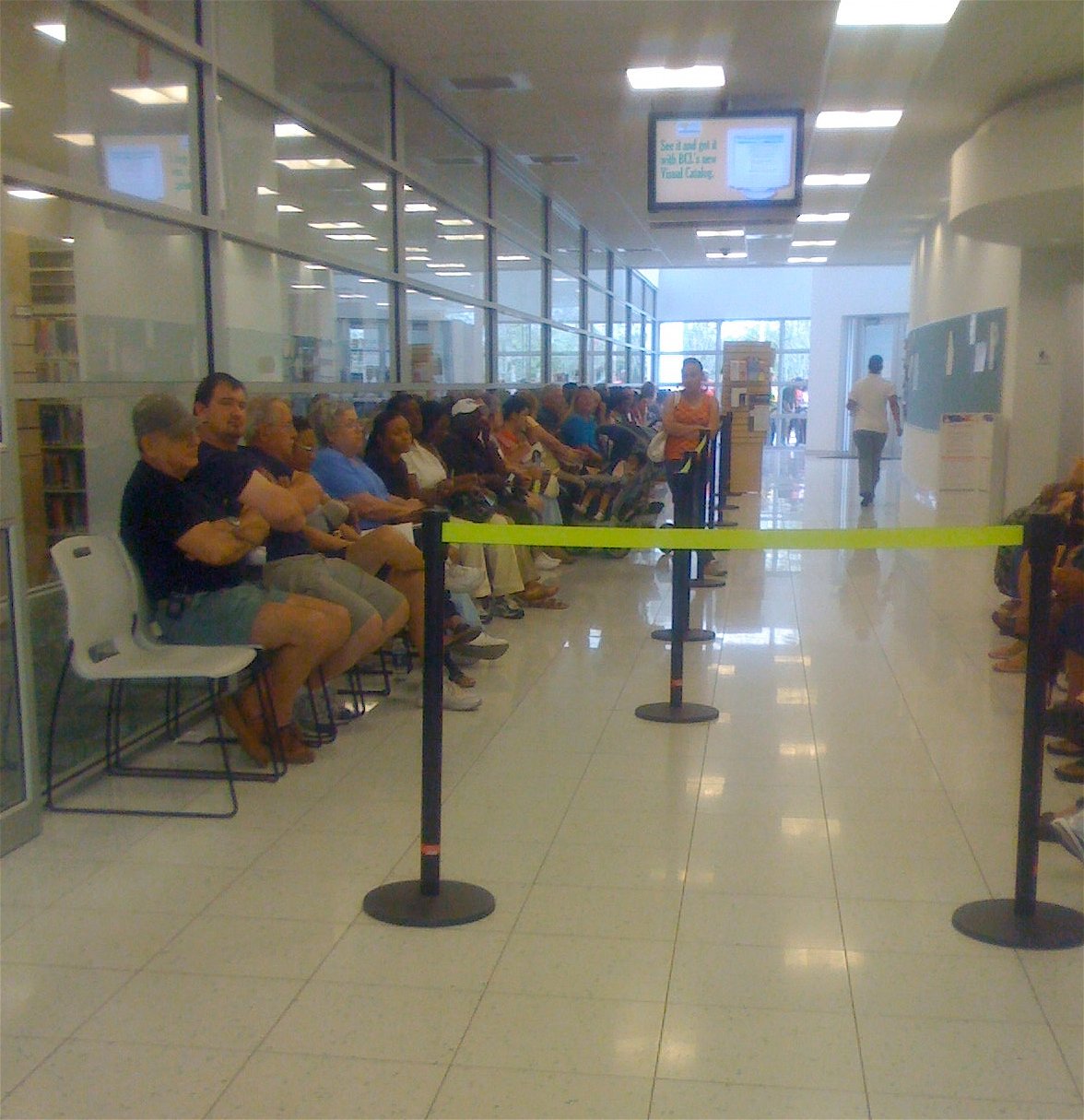
The early-vote total has already passed the roughly 46 million ballots cast before Election Day in the 2022 midterms, with voting still open in parts of the country when the count crossed that mark. More than 28 million people had voted early in person by Saturday, compared with about 20.5 million across the whole early-voting period in 2022.
Election officials and analysts read the surge as a sign of intense engagement in an election without a presidential race on the ballot. The campaign is also on track to be the most expensive ever, at a projected $11.6 billion in advertising, according to AdImpact — more than the $11.2 billion spent on the 2024 presidential cycle.
Early-voting windows are now closing state by state. North Carolina ended early in-person voting on Saturday afternoon, and Georgia’s early voting ended Friday, meaning voters there must use their assigned Election Day precincts on Tuesday.
Forecasters move toward Democrats
The final forecasts are breaking against the president’s party. The Cook Political Report, a nonpartisan election handicapper, shifted a dozen more House races toward Democrats on Friday, October 30, on top of 19 races it moved in the same direction a week earlier.
Cook now projects Democrats will flip between 12 and 25 House seats, giving them between 227 and 240 seats — comfortably past the 218 needed for a majority, and potentially their largest House majority in more than a decade. More than 220 House races now favor Democrats outright, and if the party also won all 18 remaining toss-up districts, it would hold 240 seats.
The shifts include several seats Republicans currently hold. Pennsylvania’s 1st District, held by Rep. Brian Fitzpatrick, moved from “lean Republican” to toss-up, as did Colorado’s 5th District and South Carolina’s 1st District. Pennsylvania’s 8th District and Ohio’s 9th District moved from toss-up to “lean Democrat.” Decision Desk HQ, another forecaster, gives Democrats about an 80 percent chance of taking the House.
The Senate picture is closer. Cook moved two more Republican-held seats toward Democrats — Nebraska from “likely Republican” to “lean Republican,” and Florida from “solid Republican” to “likely Republican” — and now rates Democrats the slight favorites to take the chamber for the first time this cycle, with a projected pickup of two to six seats. Democrats need a net gain of four for a 51-seat majority. Seven Senate races remain toss-ups: Alaska, Iowa, Kansas, Maine, Michigan, Ohio and Texas.
The ballot fights still open
The final weekend has also brought the election’s legal battles to a head. In California, a federal appeals court ruled 2-1 this week that the Justice Department had failed to justify its emergency bid to force the state to set aside mail ballots from more than 20,000 registered voters it alleges are likely noncitizens. Acting Deputy Attorney General Trent McCotter told Fox News on Saturday that the administration would probably take the fight to the Supreme Court before Tuesday.
California Governor Gavin Newsom warned the state’s top federal judges on Saturday that the Justice Department could seek warrants to seize ballots before results are certified, though he said he did not know of any pending request. In Alaska, federal prosecutors are investigating whether aides to Democratic Senate challenger Mary Peltola helped recruit a retired schoolteacher, Daniel J. Sullivan Jr., to run because his name resembles that of Republican incumbent Senator Dan S. Sullivan.
Trump’s final weekend
Trump, who spent Saturday at his Mar-a-Lago club in Florida, returns to the campaign trail on Sunday with rallies in Kansas and Iowa — two states with toss-up Senate races. The stops were reinstated after the president had earlier canceled them, and he has urged rally crowds to vote as if he himself were on the ballot.
Sunday’s political talk shows feature Treasury Secretary Scott Bessent, Senator Bernie Sanders and Pennsylvania Governor Josh Shapiro, along with the two candidates in Iowa’s open Senate race, Rep. Ashley Hinson and state Rep. Josh Turek.
What to watch next
Polls close in stages on Tuesday evening, and control of the House could be called that night — or could hinge on slow-counting states in the days after. The Senate map, with its seven toss-ups, may take longer. Whatever the result, the campaign’s final lesson is already written: more Americans voted early in this midterm than in any before it, and the country that wakes up on November 4 will know, for the first time in two years, who really holds power in Washington.
Sources: Reuters, USA Today, Cook Political Report, University of Florida Election Lab, AdImpact.
2 thoughts on “Record Early Votes, Shifting Forecasts: The Midterms Enter Their Final 48 Hours”