








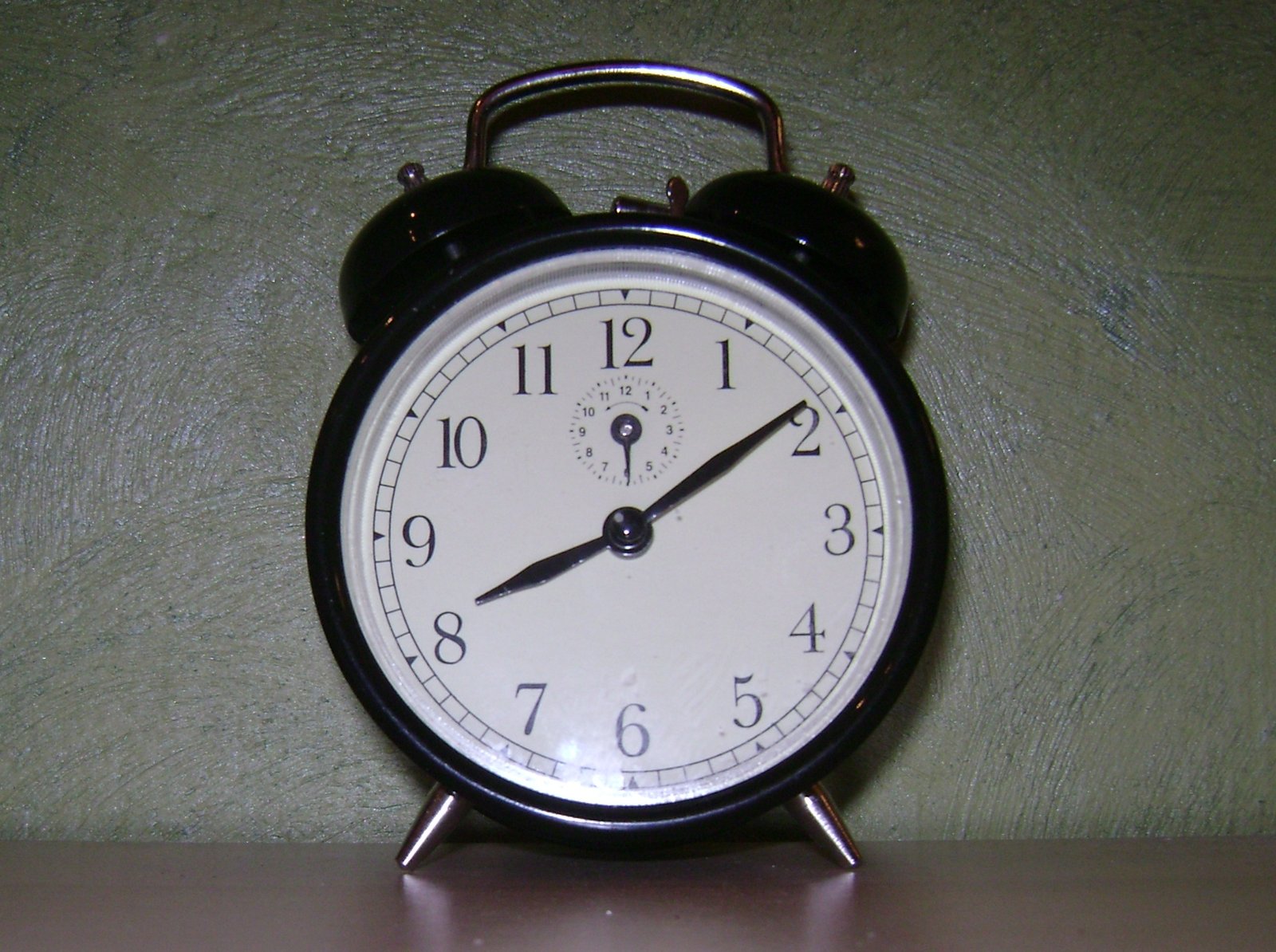
At 2 a.m. local time today, Sunday, November 1, clocks across most of the United States fell back one hour to 1 a.m., returning the country to standard time and giving millions of people an extra hour of sleep. Sunsets will now come an hour earlier, mornings will be brighter, and the twice-yearly ritual Americans love to complain about will repeat itself — because, despite a bipartisan vote in the House and the president’s public support, Congress has not actually ended it.
What changes today
The mechanics are simple: at 2 a.m., clocks move back to 1 a.m., and the hour between 1 a.m. and 2 a.m. happens twice. Most Americans gain an hour overnight, though the trade is earlier darkness in the evening — in Boston, for example, sunset moves from about 5:39 p.m. to about 4:37 p.m.
Not everyone changes. Hawaii and most of Arizona do not observe daylight saving time at all, nor do the U.S. territories of Puerto Rico, Guam, the U.S. Virgin Islands, American Samoa and the Northern Mariana Islands. Under current federal law, daylight saving time begins on the second Sunday in March and ends on the first Sunday in November — so the next switch, back to daylight time, is scheduled for Sunday, March 14, 2027.
The bill that passed — and stalled
The Sunshine Protection Act, introduced by Rep. Vern Buchanan of Florida, would make daylight saving time permanent nationwide, ending the twice-yearly clock change. The House passed it on July 14, 2026, by a wide bipartisan margin of 308-117, with 193 Republicans, 114 Democrats and one independent voting in favor.
Then it stopped. The bill was referred to the Senate Committee on Commerce, Science and Transportation on July 15 and has not advanced. The Senate left Washington for an extended election recess without taking a vote, and no floor vote has been scheduled; the chamber’s recess is not expected to end until November 6, after the midterm elections.
President Donald Trump has made his frustration public. “The United States Senate is letting the Daylight Saving Bill die, when a vast Majority of the Country want it,” he wrote on Truth Social on Monday, October 26, urging the chamber to “TAKE A VOTE!” Republican Senator John Kennedy, however, told Reuters the proposal was “dead as disco” and said he did not believe Senate leadership would bring it up. Senate Majority Leader John Thune has questioned whether enough senators support it.
The states are waiting too
The federal logjam matters because states cannot act alone. Nineteen states have enacted laws to make daylight saving time permanent, but those laws cannot take effect until Congress authorizes the change at the federal level. In 2026 alone, 16 states introduced 23 bills concerning daylight saving or standard time, according to the National Conference of State Legislatures — a sign of how widespread the frustration has become.
The debate itself is older than most Americans realize. The Uniform Time Act of 1966, signed by President Lyndon B. Johnson, created the nationwide daylight saving system, and only Congress can change it. The Senate passed a similar permanent-daylight bill in 2022, but it died in the House — the mirror image of this year’s stalemate.
The argument on both sides
Supporters of permanent daylight saving time point to longer evening light for shopping, recreation and commuting, and to ending the disruption of the switch itself. Supporters of permanent standard time — the system the country is on from today until March — argue that morning light matters more for sleep, schoolchildren and health, and note that the current arrangement is the one most closely aligned with the sun.
What both sides agree on is that the current system satisfies almost no one: Americans change their clocks, complain about it, and then do it all again four and a half months later.
Key dates
| Date | What happens |
|---|---|
| July 14, 2026 | House passes the Sunshine Protection Act, 308-117 |
| July 15, 2026 | Bill referred to the Senate Commerce Committee |
| November 1, 2026 | Daylight saving time ends; clocks fall back at 2 a.m. |
| November 6, 2026 | Senate’s extended election recess expected to end |
| March 14, 2027 | Clocks spring forward again, unless Congress acts |
What to watch next
The bill’s fate now depends on the Senate that emerges from Tuesday’s midterms. If senators take it up in the lame-duck session, permanent daylight time could still become law — but even then, it would not change this year’s clocks. For now, the extra hour of sleep is real, the earlier sunsets are real, and the debate will be back, right on schedule, in March.
Sources: USA Today, Reuters, Congress.gov, National Institute of Standards and Technology, National Conference of State Legislatures.