






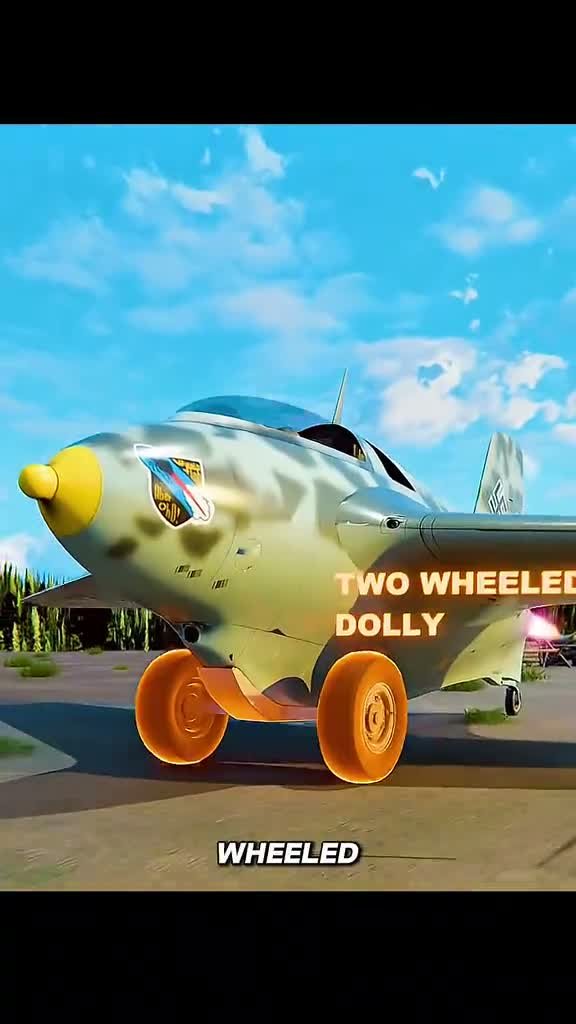
Most Second World War fighters rolled down a runway on fixed wheels and came back the same way. The Messerschmitt Me 163 Komet did neither. It blasted off sitting on a small two-wheeled dolly, dropped that dolly once airborne, and later glided home to land on a retractable skid. It was fast, radical, and unforgiving, and it remains the only rocket-powered fighter ever used in combat.
A Glider Idea Turned Into a Rocket Fighter
The Komet grew out of Alexander Lippisch’s tailless glider work in the 1930s. Germany wanted a point-defence interceptor that could climb very fast to meet bombers, and a rocket offered a way to do that without a propeller or a jet engine. Early prototypes flew first as gliders and then under rocket power, with the first powered Me 163 flight in September 1941. That test program proved the airframe could fly far faster than any piston fighter of the day.
Why a Dolly and a Skid?
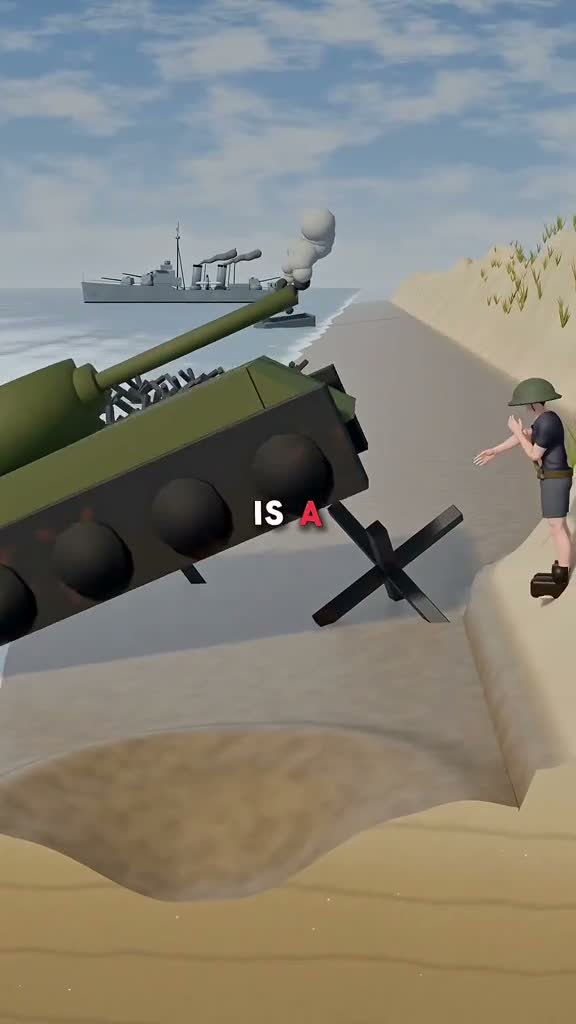
To keep the airframe light and clean, Messerschmitt left out normal landing gear. For takeoff, the Komet sat on a jettisonable two-wheeled dolly. Once the aircraft reached flying speed, the pilot dropped the dolly and pulled the landing skid up into the fuselage. After the rocket stopped, the pilot flew the Komet back as a glider and landed on that skid, with only a small tailwheel for support. Ground crews then used a special tractor and trailer to lift the aircraft, refit the dolly, and tow it back for servicing.
A Rocket That Burned Two Dangerous Liquids
The production Me 163B used a Walter HWK 109-509 rocket motor. Its two liquids, C-Stoff fuel and T-Stoff oxidizer, ignited on contact, so they were hypergolic and needed no spark or flame. That made the motor simple and powerful, but it also made handling hazardous. Both fluids were corrosive, and a leak could cause fire or serious injury. Crews loaded them separately and with great care, because mixing them outside the combustion chamber was exactly what the engine was designed to do inside it.
Seven Minutes of Astonishing Speed
Once lit, the Komet climbed at an angle that must have looked impossible to bomber crews below. It could reach bomber altitude in about three minutes and pass 1,000 kilometres per hour in level flight, a milestone for a piloted aircraft. Its standard armament was two 30 mm MK 108 cannons, but speed created a new problem: the pilot had only a brief firing pass before overshooting the target. Powered flight lasted roughly seven and a half minutes, after which the Komet became a fast, unpowered glider that still had to be flown home and landed safely.
Combat With JG 400, and Why It Fell Short
In 1944, the Luftwaffe’s JG 400 began operating the Komet in defence of important targets, including synthetic fuel plants. The first service actions came that summer, and the unit is credited with only a small number of confirmed kills, commonly put at about 9 to 18 aircraft, despite the Komet’s speed advantage. Fuel shortages, short endurance, difficult aiming, and the danger of landing on a skid all limited its effect. Many aircraft never reached combat, and by the end of the war roughly 370 Komets had been built. The design pointed toward the future, but as a weapon it arrived too late and in too small numbers to change the air war.
The Price Pilots Paid
The greatest danger was often not enemy fire. Hard skid landings could injure a pilot’s back, and any remaining propellant made a rough landing more dangerous still. Fuel handling accidents and training losses added to the toll. Surviving Komets in museums today, including the Smithsonian National Air and Space Museum’s Me 163B-1a, preserve the shape of that gamble: a tiny, swept-wing aircraft built around a rocket, with no conventional wheels to bring it safely home.
Me 163 at a Glance
| Specification | Detail |
| Engine | Walter HWK 109-509A-2 rocket motor |
| Top speed | About 1,000 km/h in level flight |
| Armament | 2 x 30 mm MK 108 cannons |
| First flight | 1 September 1941 |
| Number built | About 370 |
Sources: Wikipedia, “Messerschmitt Me 163 Komet”; Smithsonian National Air and Space Museum, “Messerschmitt Me 163B-1a Komet”.