







The United States struck a missile launcher on Iran’s Qeshm Island on Thursday night, hours after the head of U.S. Central Command briefed President Donald Trump at the White House on military options against Iran — a sequence that has sharpened expectations of a possible renewed campaign after next week’s midterm elections.
What happened on Qeshm Island
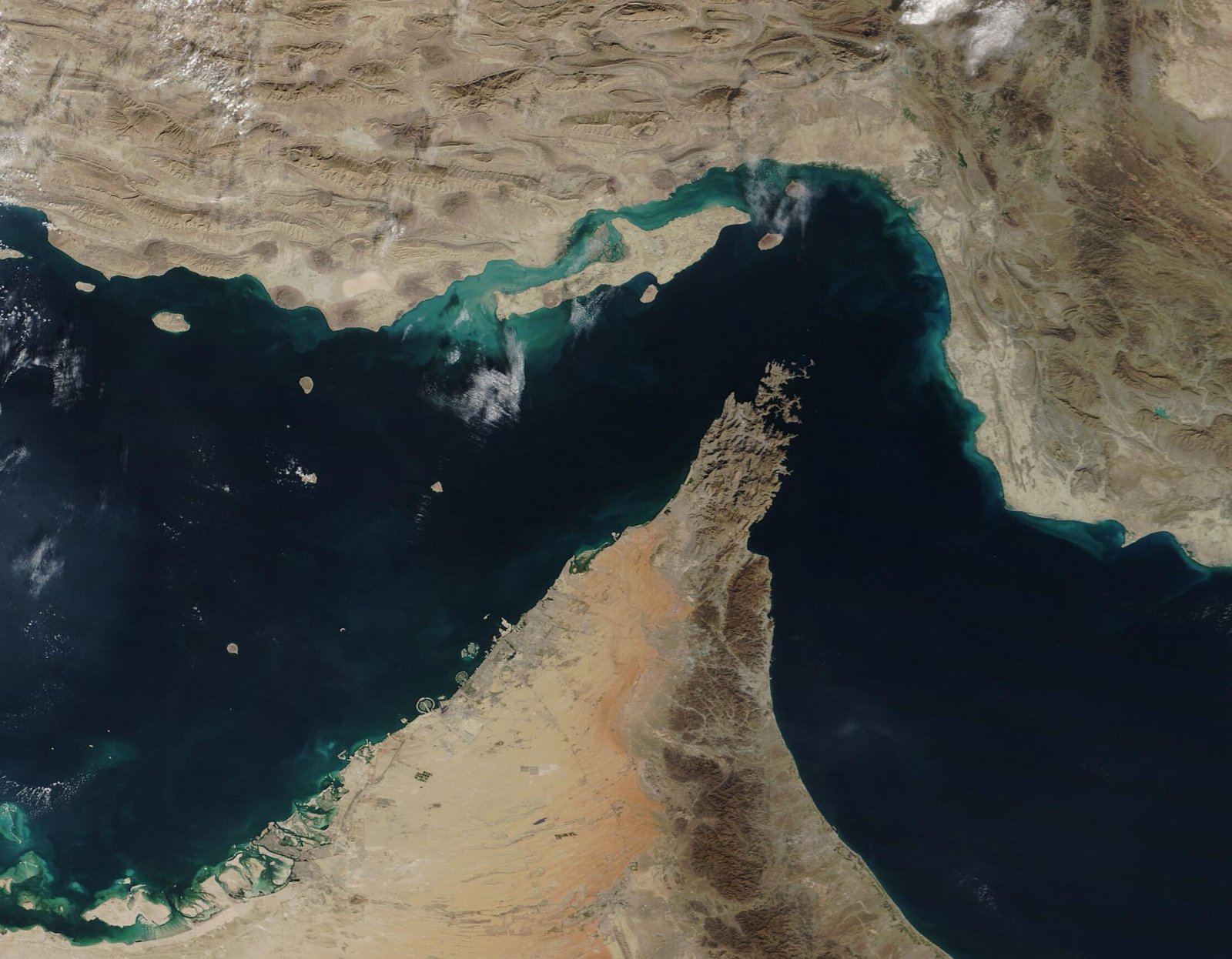
A U.S. Central Command official confirmed that the U.S. Air Force hit a missile launcher on Qeshm Island, in the Strait of Hormuz, after Iranian forces launched missiles from the area. The official told Faytuks Network that American forces had been watching the site for a week and were prepared to act defensively.
Iran’s Revolutionary Guards said through the Tasnim news agency that they had fired on a fighter jet near Qeshm and forced it to withdraw. Explosions were also reported near the Iranian Navy’s base at Jask, about 200 kilometres east along the coast, but who fired those missiles has not been confirmed by U.S. officials, and that part of the night’s events remains unverified.
The White House briefing
The Wall Street Journal reported that Admiral Brad Cooper, commander of U.S. Central Command, briefed Trump on Thursday on military options for Iran, joined by Defense Secretary Pete Hegseth and Joint Chiefs Chairman General Dan Caine. According to the report, Gulf Arab states have been warned to prepare for a “short, intense military campaign” against Iran after the November 3 midterm elections.
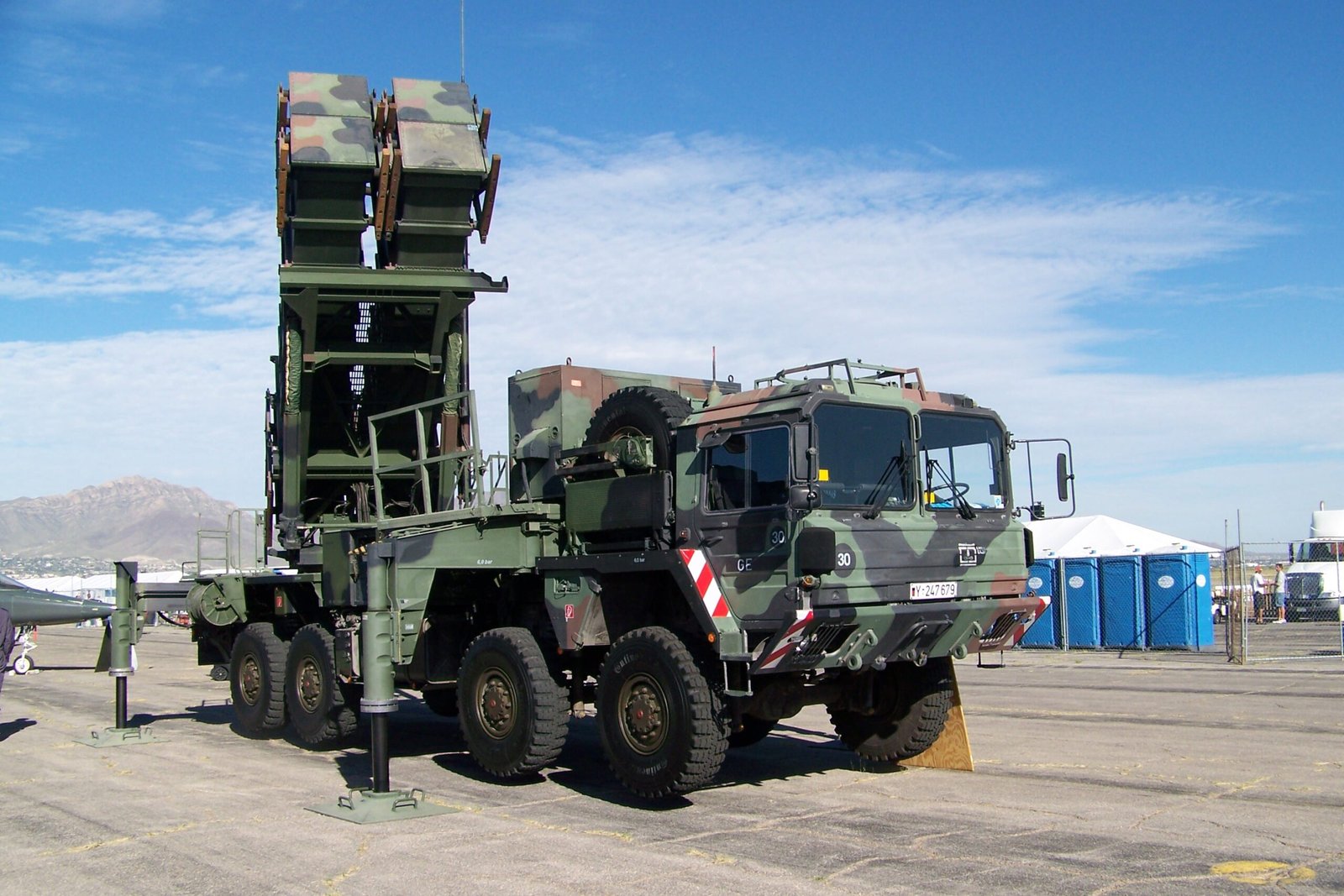
Israeli media reported a surge of U.S. military transport aircraft landing at bases in Israel, Saudi Arabia, Jordan and Qatar, and the Pentagon is reported to be moving another Patriot air-defence battery to Israel.
No decision to launch a post-midterm campaign has been officially confirmed by the White House. Trump has said only that further military action remains possible, telling reporters on Wednesday that “anything’s possible” when asked about strikes after the elections.
Diplomacy is running in parallel
At Trump’s direction, Vice President JD Vance sent a letter to Iranian Supreme National Security Council Secretary Mohsen Rezaei seeking to revive peace talks, the Wall Street Journal reported. Tehran confirmed it had received the letter. Axios reported that Qatar-led mediators are pressing Iran to accept nuclear concessions to avert major U.S.-Israeli strikes after the midterms — and that, without a deal, U.S. and Israeli officials expect a week-long bombing campaign targeting Iran’s leadership, energy facilities, nuclear sites and critical infrastructure.
Iran’s Parliament Speaker Mohammad Bagher Ghalibaf, one of the country’s top negotiators, suggested Tehran’s positions on ending the war would not be compromised. Iranian officials have warned that any U.S. strike would draw a far broader response than previous exchanges, targeting airports, pipelines and energy and communications infrastructure across the Gulf region, not just military bases.
Why markets moved
Oil prices rose on the reports. Brent crude for December delivery climbed above $116 a barrel on Friday, up about 1 percent, while West Texas Intermediate traded near $103, as traders priced in the risk of disruption to energy flows through the Strait of Hormuz.
| Development | What is confirmed | What is still reported, not confirmed |
|---|---|---|
| Qeshm Island strike | U.S. official confirms a defensive strike on a missile launcher after launches from the area | Details of the aircraft involved |
| Jask naval base explosions | Explosions reported by Iranian and regional outlets | Who fired, and what was hit |
| White House briefing | Cooper briefed Trump with Hegseth and Caine present, per the Wall Street Journal | Any decision on post-midterm strikes |
| Gulf warnings | Reports that Gulf states were warned to prepare | Timing, scale and targets of any campaign |
What to watch next
The key dates are November 3, Election Day, and November 4, the day after it — the date Gulf officials cited in reports as the moment an escalation could begin. Until then, watch for three signals: whether diplomacy produces a framework, whether the airlift and air-defence moves continue, and whether either side’s public warnings harden into ultimatums.
Sources: The Wall Street Journal (via Bloomberg, Reuters and regional reporting); Axios; U.S. Central Command official via Faytuks Network; Tasnim news agency; Israeli Broadcasting Authority; Energy Information Administration.

One thought on “U.S. Strike on Qeshm Island and a White House Briefing Put Post-Midterm Iran Action Back in Focus”